Giro d'Italia Women 2026: decision to come in tough mountain stage over Colle delle Finestre
In Rome on Monday, not only was the route for the 2026 Giro d'Italia Men presented, but the women also now know what to expect. From May 30 to June 7, nine stages in northern Italy are on the menu. The most important stage? That is the one over the famous Colle delle Finestre, finishing in Sestriere.
But before that, a tricky first week of racing awaits, with several stages not to be underestimated. The Giro d'Italia Women starts next year in Cesenatico. This city has a rich cycling history, mainly because it is the former birthplace and residence of the Italian cycling hero Marco Pantani, who passed away in 2004.
In the first stage to Ravenna, we do not expect fireworks straight away, as the stage seems made for the fast women. The sprinters will circle the first stages of the Giro in red in their route book, since the second stage finishing in Caorle is also not very challenging. The following stage from Bibione to Buja is quite tough and could potentially provide some spectacle.
On day four, the general classification will be shaken up for the first time, as a climbing time trial to Nevegal is on the program. The fifth stage between Longarone and Santo Stefano di Cadore is also a day for climbers, featuring the challenging Passo Tre Croci and Passo Di Sant'Antonio en route to the finish.
After three mountain stages, the riders will get a chance to catch their breath, as the sixth stage finishing in Brescello promises to end in another bunch sprint. One day later, the GC contenders will need to stay alert again, because the seventh stage to Salice Terme – despite lacking a truly tough climb – should not be underestimated.
A Yates scenario in the stage to Sestriere?
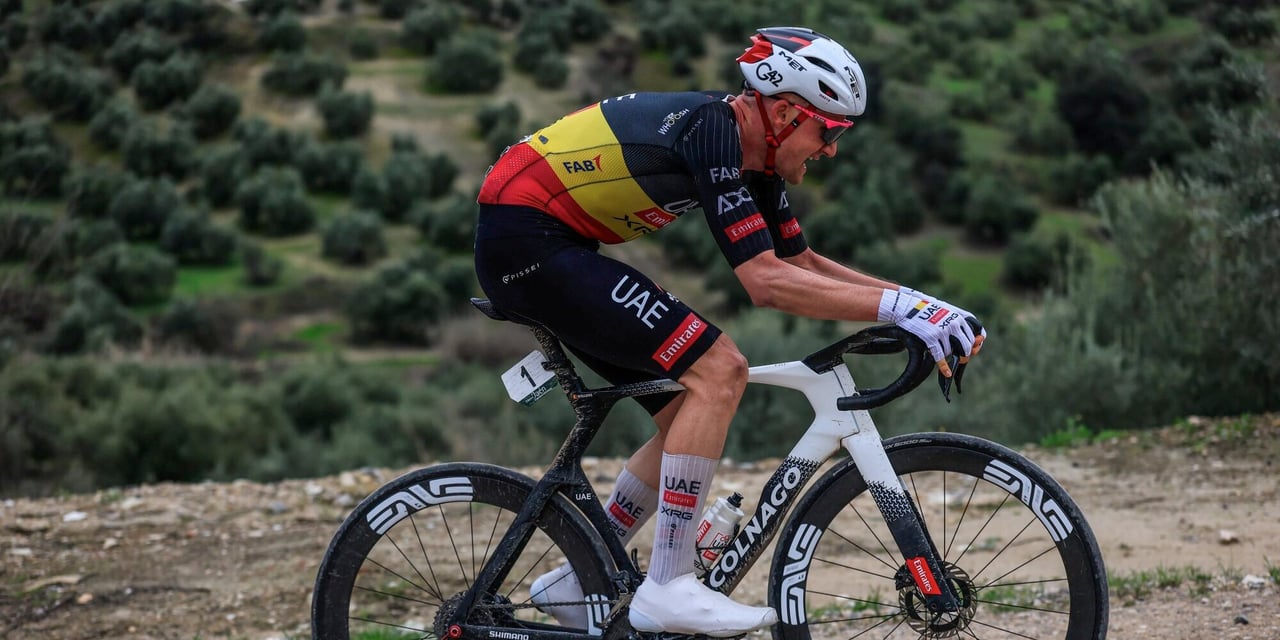
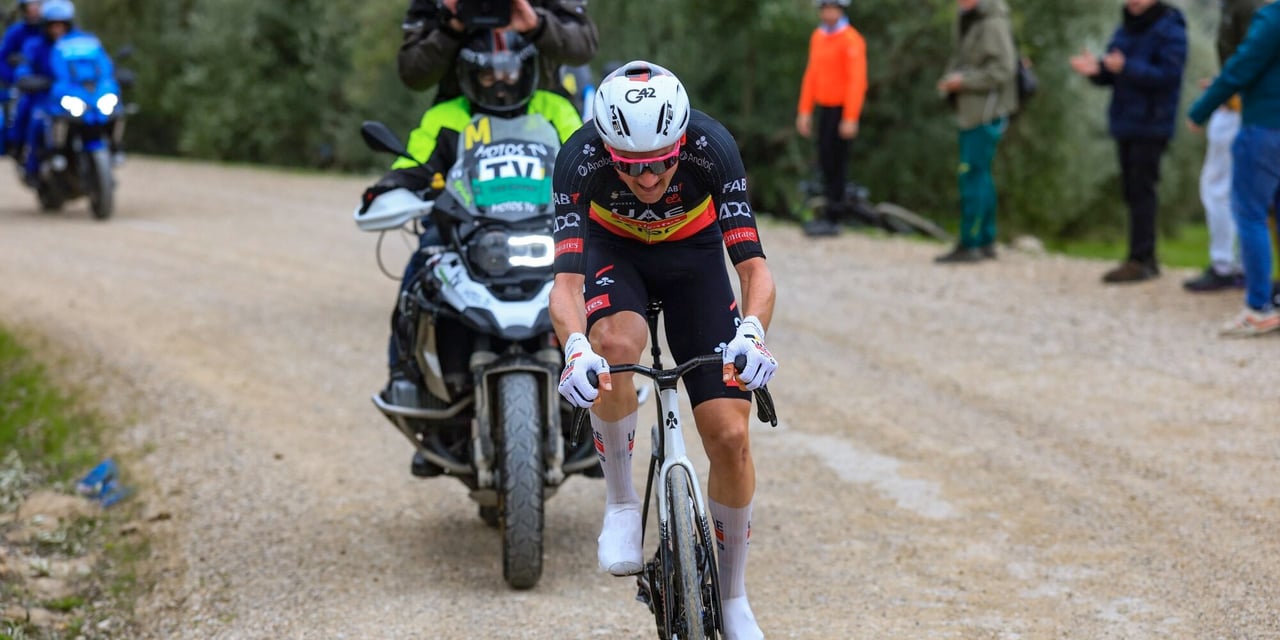
The eighth stage can be labeled the queen stage (La tappa regina) of the race. The finish line is drawn on the climb to ski resort Sestriere, but the day’s toughest test comes earlier in the stage with the partially unpaved Colle delle Finestre (18.4 km at 9.2%). Especially the final eight unpaved kilometers of the Colle delle Finestre are brutally steep and intimidating.
Sestriere – named after the nearby mountain Colle de Sestrière – also has a rich cycling heritage. As early as 1952, a mountain stage finished here in the Tour de France, won by the Italian cycling god Fausto Coppi. In the Giro (men’s race), there have already been nine finishes in Sestriere. The last time was this year, when Simon Yates shook up the race on the penultimate day. The Giro organization would surely welcome a similar scenario.
In the ninth and final stage, the riders race in the area around the start and finish town of Saluzzo. This closing stage could still bring a dramatic turn, featuring several climbs (including the Colletta di Paesana and Colletta di Brondello) towards the finish line.