Eight takeaways after the 2026 cobbled classics
With Paris-Roubaix 2026 marking the end of the 2026 cobbled classics, there were nine cobbled races in total, from Omloop Het Nieuwsblad through to the Hell of the North, featuring seven different male winners. For the women, there were seven winners across eight cobbled races. WielerFlits summarizes the eight most important conclusions.
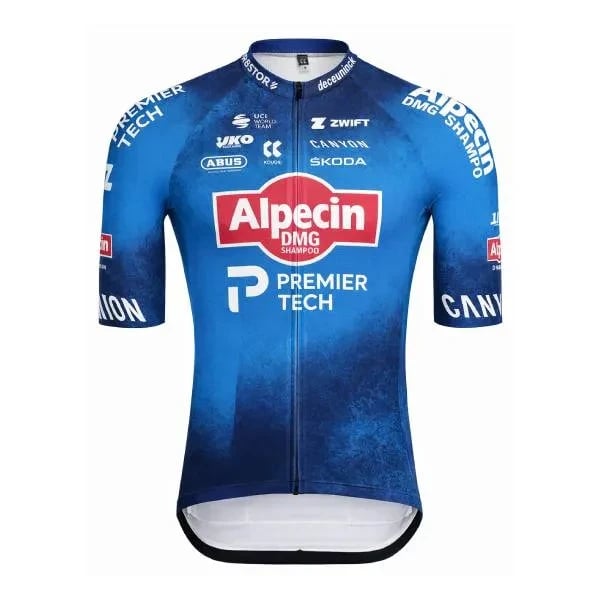
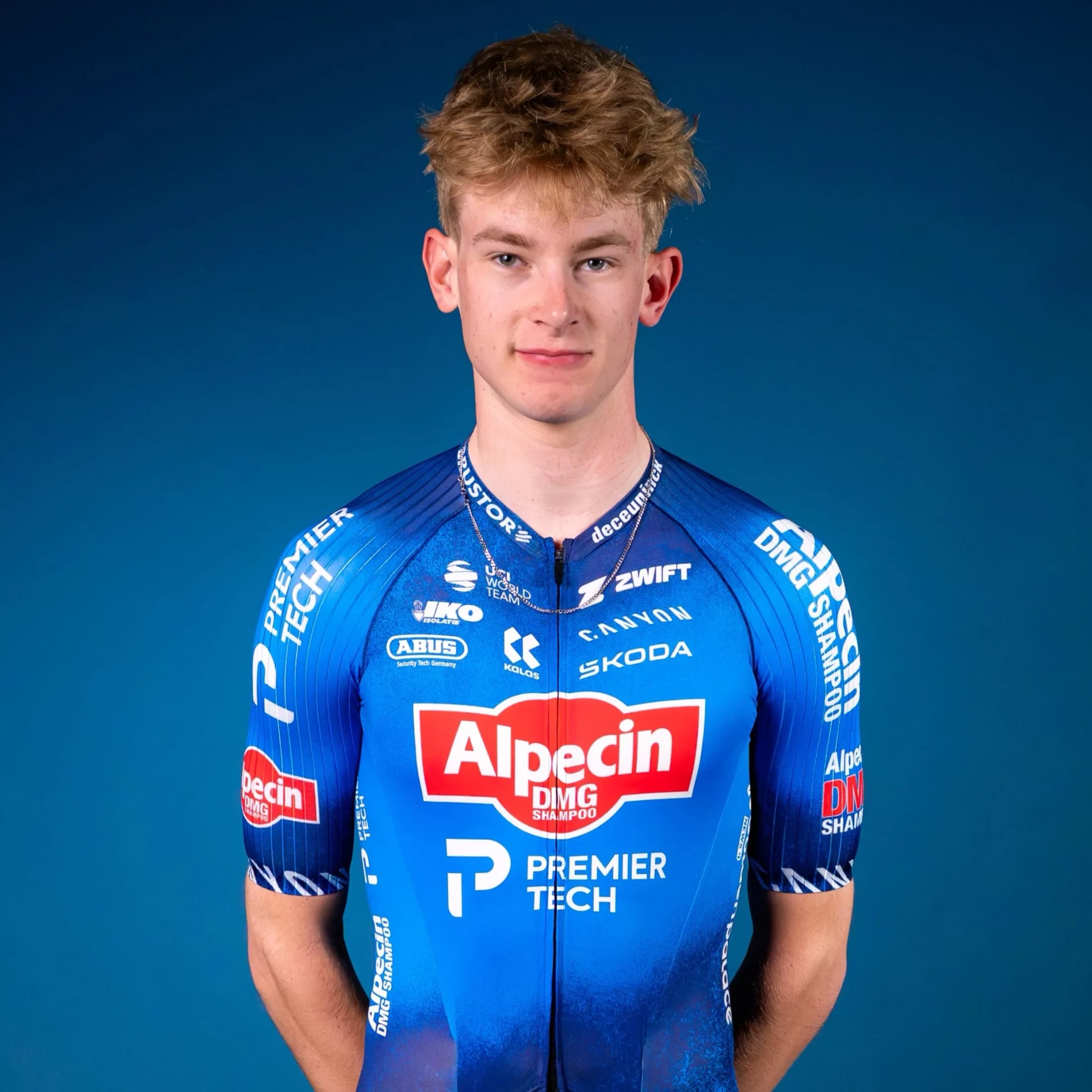
Mathieu van der Poel and Jasper Philipsen prove Alpecin-Premier Tech right
Last winter, much was made of the departure of the strong middle squad at Alpecin-Premier Tech. Terms like 'exodus' and 'loss of quality' surfaced following the departures of Gianni Vermeersch, Quinten Hermans, Timo Kielich, and Xandro Meurisse among others. This was met with confusion by brothers Christoph and Philip Roodhooft, the team's owners. They believed they came out of the transfer window both cheaper and stronger. In any case, it appears they have not become weaker. And yes, a team is always as strong as their best rider. But in this case, there is no doubt.
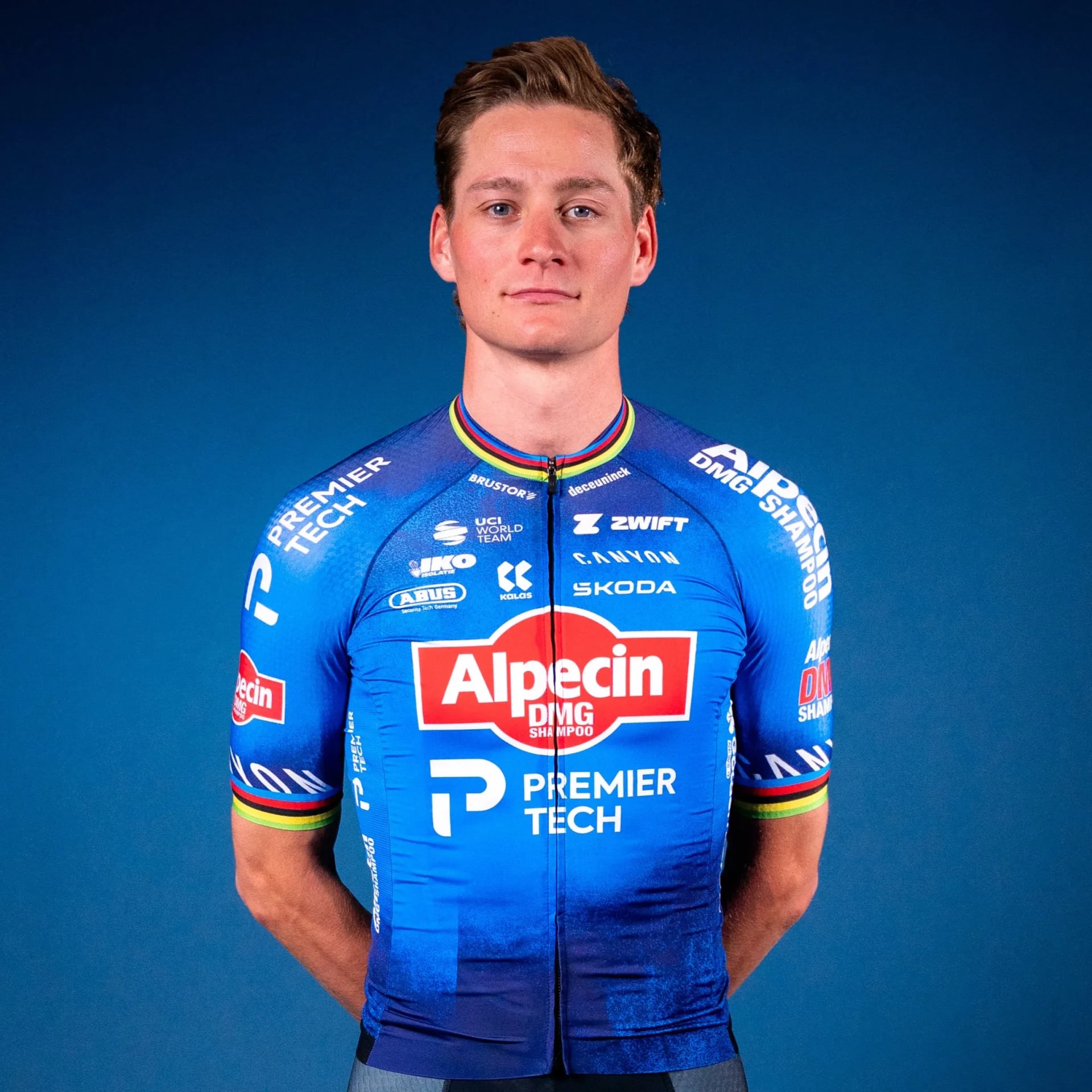
The Belgian WorldTeam won four of the nine cobbled classics with Omloop Het Nieuwsblad and E3 Saxo Classic (both Mathieu van der Poel), and Nokere Koerse and In Flanders Fields (both Jasper Philipsen twice). Although they missed out on a Monument win this spring after years of multiple Monument victories, it was certainly not a bad spring. New signings like Florian Sénéchal and especially Jonas Geens made an immediate impact, while Edward Planckaert’s transfer to Soudal-Quick-Step may have paid off the most.
Philipsen’s sprint lead-out proved invaluable this spring in positioning the principals. Add to that the fact that Tibor Del Grosso’s role will likely increase significantly next season due to natural development, and you can say the Roodhooft brothers have been vindicated. The only mistake to criticize is their choice not to have everyone ride the same pedals at Paris-Roubaix. If MVDP had been able to ride Philipsen’s bike in the Wallerbos, last Sunday’s outcome might have looked very different.
Wout van Aert ensures Tadej Pogacar returns to the classics with some reluctance
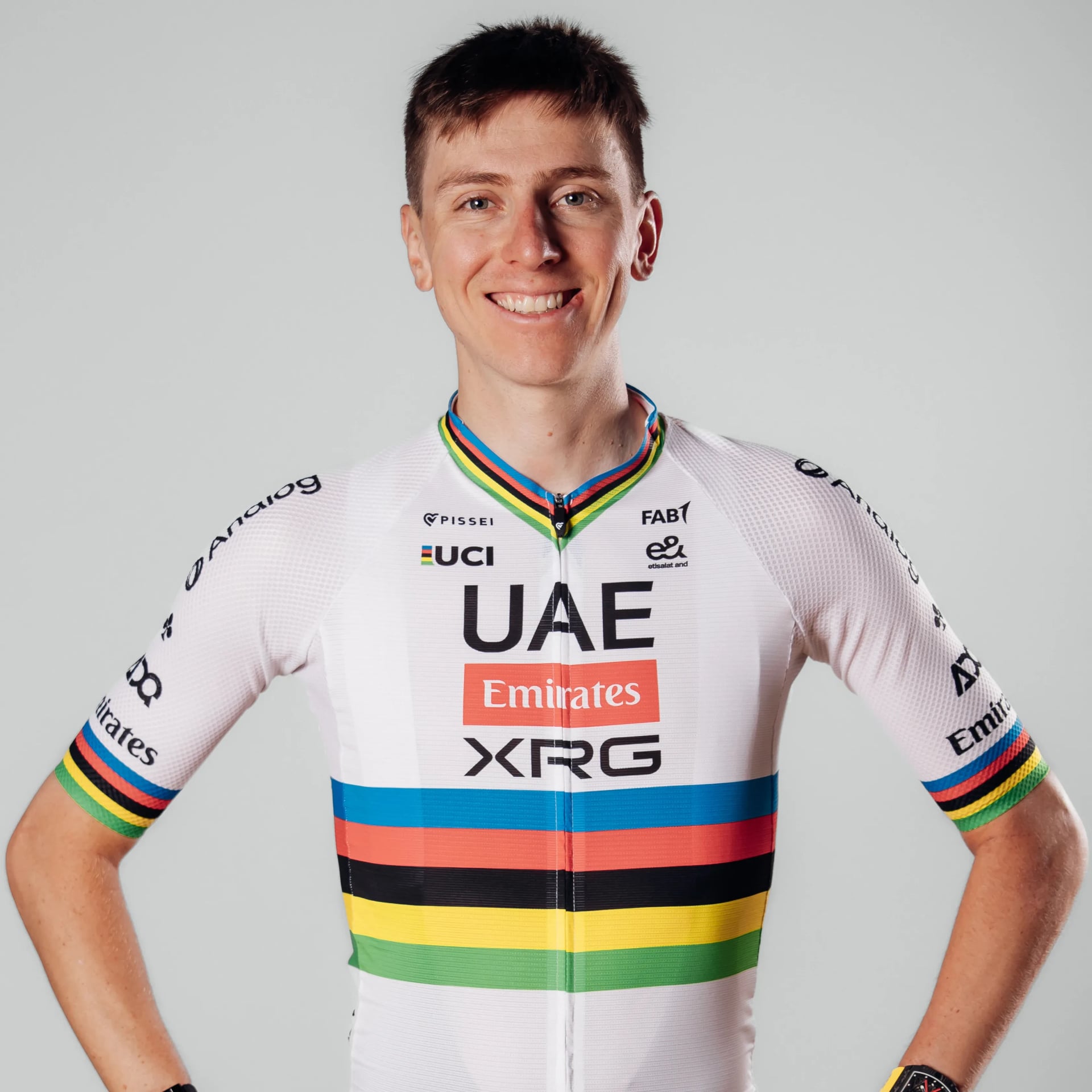
The sentiment from Radio Peloton was loud and clear after the Tour of Flanders. Had Tadej Pogačar also won Paris-Roubaix, the Slovenian would not have returned quickly to the Hell of the North. After his Milan-San Remo victory, he already promised to stay away from the Italian coastal roads. Perhaps he would have ridden the Tour of Flanders nevertheless, but it remains questionable if that fits his challenge to race the three Grand Tours in a single season. Reportedly, this is a thought Pogačar is currently considering for 2027 and beyond. Note: the goal is to win all three Grand Tours in one season.
After two participations and as many second places, it’s clear the Slovenian has the strength to also win Paris-Roubaix—the only Monument he has never won. In 2025, he had to concede to Mathieu van der Poel (who ramped up the pressure so much that Pogačar crashed), but this time he went further. He lost a sprint duel to Wout van Aert, who personally ensured that Pogačar’s legacy with the classics remains unsettled. But will we see him again in Roubaix in 2027? “I can’t say ‘no’… Let’s give it time, we’ll see,” he shrugged.
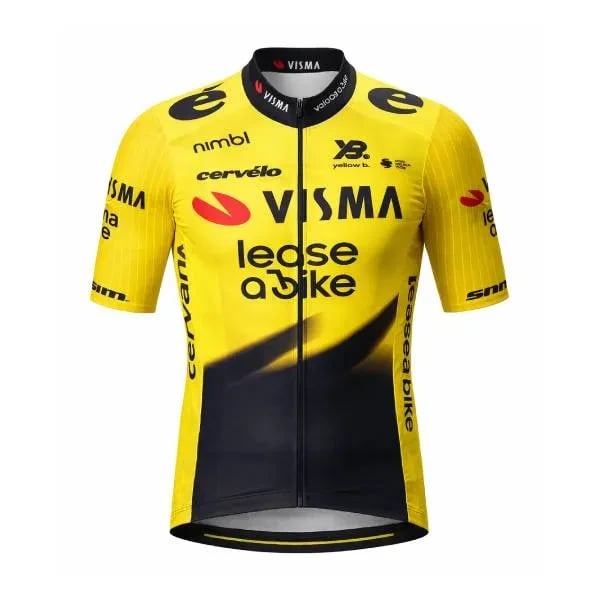
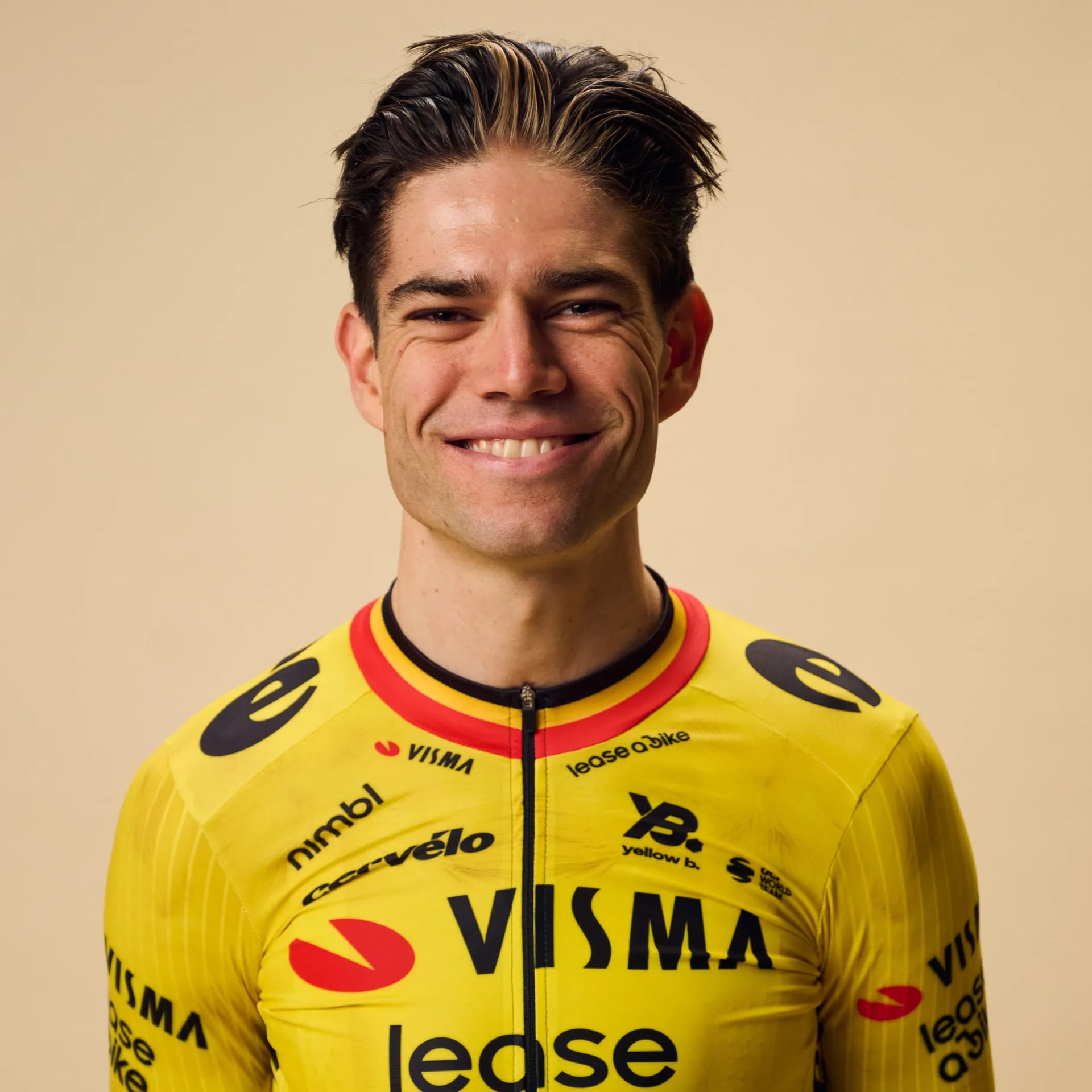
Clear vision from Visma | Lease a Bike finally pays off
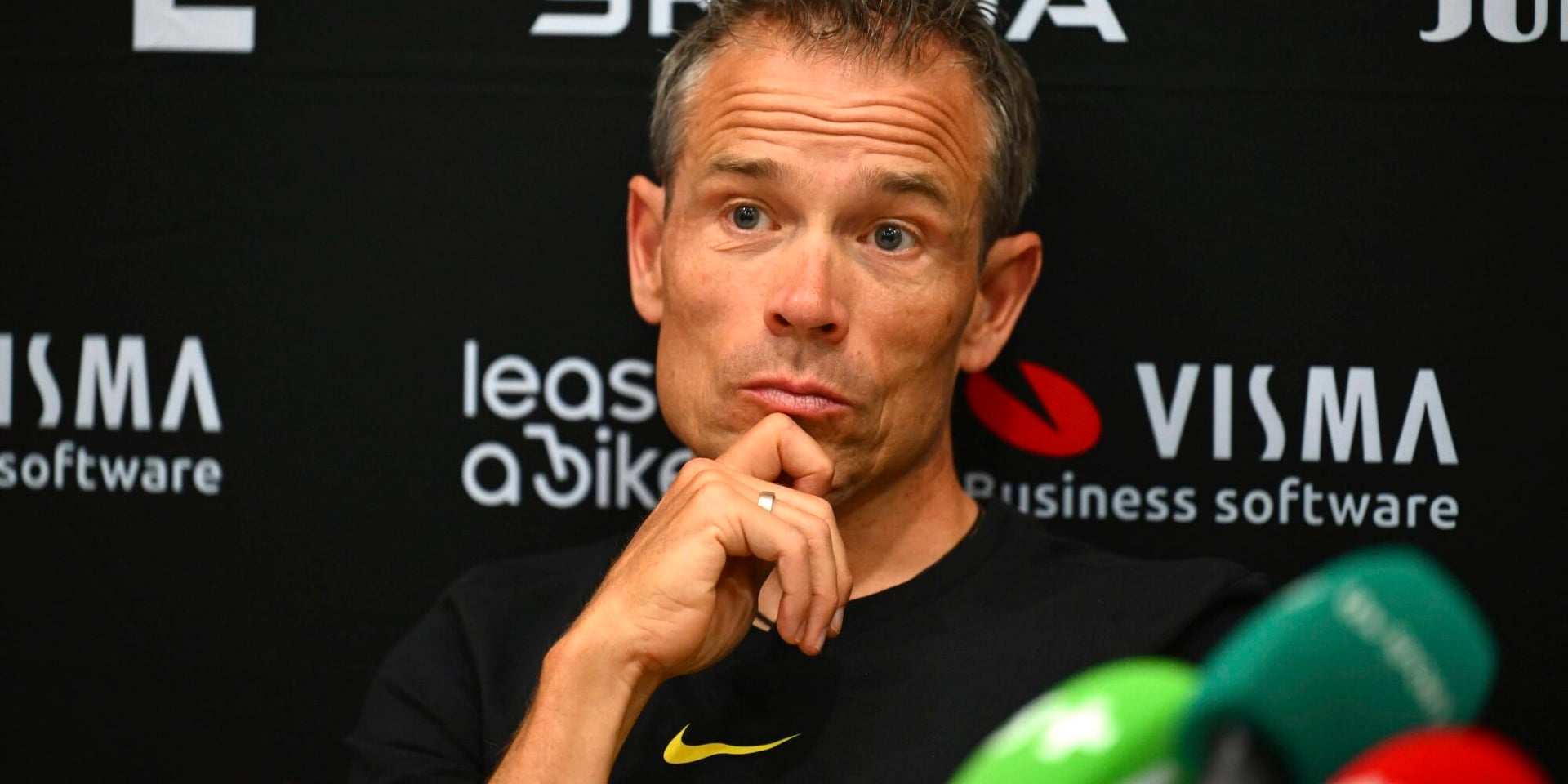
Visma | Lease a Bike have chased Monument wins in the Tour of Flanders and Paris-Roubaix for years. This past winter, the team made it clear they want to contest all five Monuments more than ever this season. As Head of Racing Grischa Niermann said to WielerFlits in January, the Tour of Lombardy and Liège-Bastogne-Liège have always been somewhat neglected. This resulted in the tough decision not to have Matteo Jorgenson race the Flemish classics anymore.
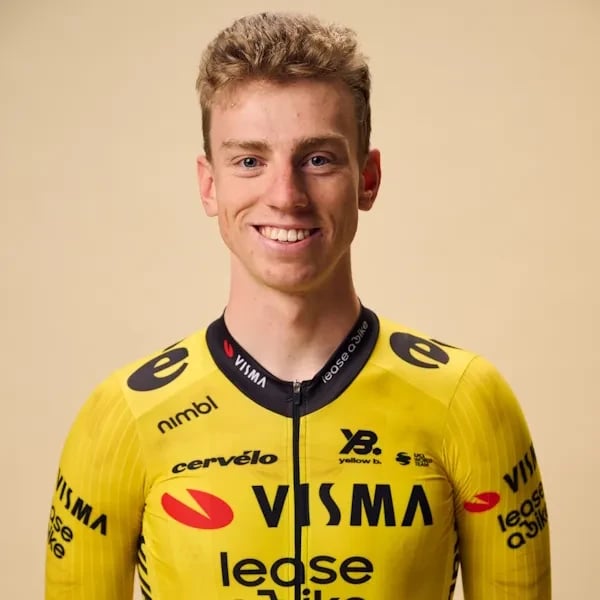
With the American now fully focused on the hill classics and following the departures of Dylan van Baarle, Tiesj Benoot, and Olav Kooij, the strong collective Visma | Lease a Bike used to rely on in the cobbled classics was significantly weakened. With Christophe Laporte and Wout van Aert, only two spearheads remained, although Per Strand Hagenes has strongly asserted himself over the past two months. Where that strong collective won many semi-classics in recent years, it lacked the main prize. By opting now for a renewed vision focusing fully on a single finisher—Wout van Aert—they finally struck gold in a Monument.
Remco Evenepoel is more of a one-day racer than a stage racer
Remco Evenepoel will refuse to accept it, but deep down he will feel it after this spring: the Belgian is much more a one-day racer than a stage racer. The 26-year-old turned pro in 2019, making this his eighth season as a professional. Over all these years, he has ‘only’ won three WorldTour overall classifications: the Tour of Poland 2020, UAE Tour 2023, and of course the Vuelta a España 2022. With all due respect, that is too little for a rider of Evenepoel’s caliber, the double Olympic champion.
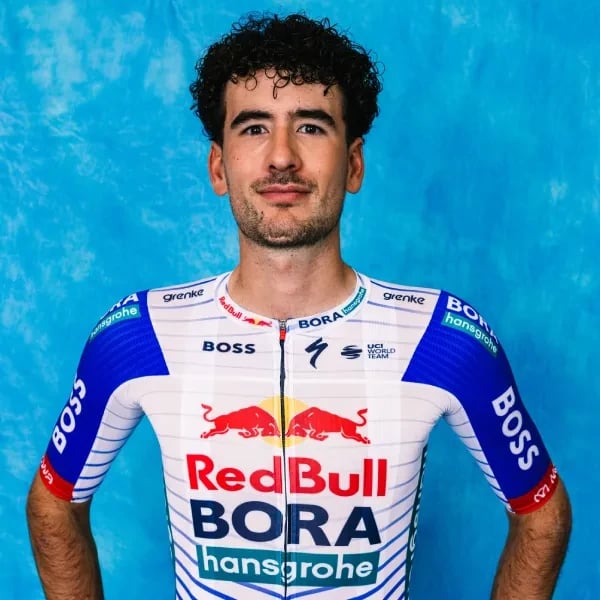
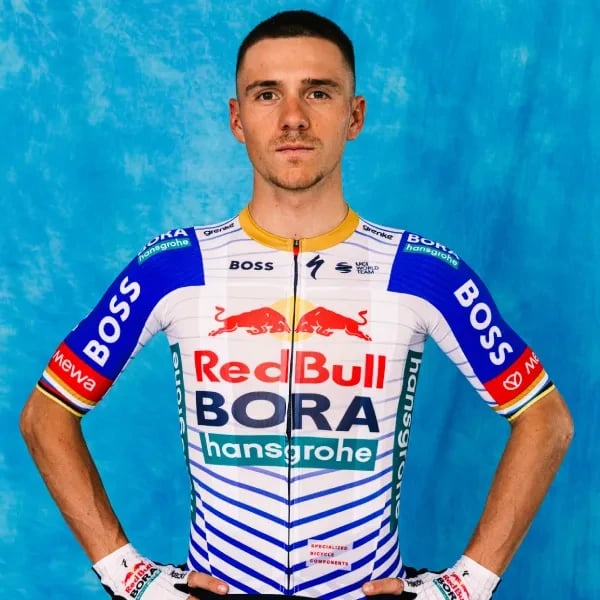
With his move to Red Bull-BORA-hansgrohe, he wants to explore whether he can close the gap to Tadej Pogačar and Jonas Vingegaard—to fulfill his cherished dream of winning the Tour de France. Internal competition in the coming years will be fierce with Florian Lipowitz and the rapidly developing Giulio Pellizzari. And let’s not forget that Lorenzo Finn, a true gem of talent, is riding in the development team. In principle, he and Jarno Widar should become the biggest challengers to Paul Seixas in their generation. And yes: Lipowitz, Pellizzari, and especially Finn are still a level below the slightly older Evenepoel.
Still, Evenepoel will know that this year, or next season at the latest, it is do or die as a stage racer. But if that doesn’t pan out, no worries. His palmarès already includes a world road title, multiple world time trial titles, two wins at Liège-Bastogne-Liège, and three victories at the Clásica San Sebastián. Given his profile, no one should be surprised if Milan-San Remo, the Tour of Lombardy, and the Tour of Flanders are added within five years. His third place on debut at Flanders’ Finest once again showed why Evenepoel is much more of a one-day racer. Not for nothing is he Sunday’s overwhelming favorite at the Amstel Gold Race.
Broadening of the top thanks to strong teams
In recent years, it was mainly Visma | Lease a Bike, Alpecin-Premier Tech, and UAE Emirates that dominated the cobbled classics. Lidl-Trek appeared to join this group last year but did not deliver this year. This was due to three factors: Jasper Stuyven moved to Soudal-Quick-Step; Toms Skujins missed the entire spring due to a form crisis; and Mads Pedersen miraculously still achieved some top placings after breaking his wrist and collarbone in early February. Meanwhile, the breakthrough of Mathias Vacek did not materialize.
That notwithstanding, the German team will definitely be back next year with a fit Pedersen. But there are other teams with hope. Red Bull-BORA-hansgrohe, for one. They had their breakthrough after 2025, when expectations were for them to rise to the top. With Gianni Vermeersch, Laurence Pithie, Jordi Meeus, and brothers Mick and Tim van Dijke, they were involved in many finales. Add a full spring of Remco Evenepoel, and you create a fighting machine that can take the bull by the horns from Omloop Het Nieuwsblad all the way through to Liège-Bastogne-Liège.
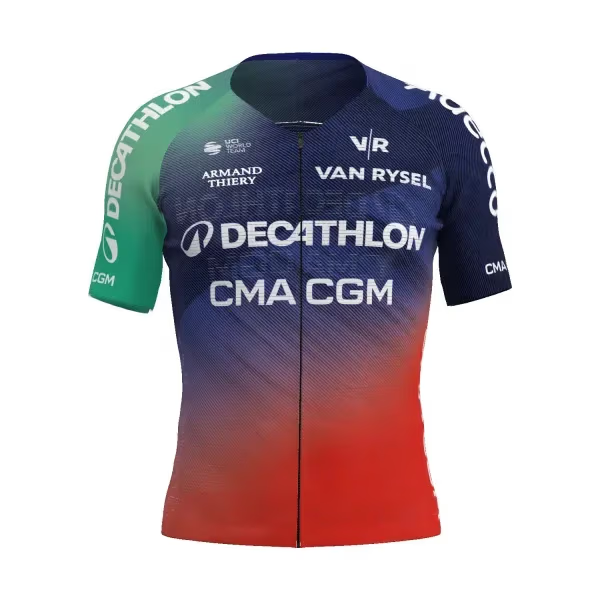
The field may be even more crowded in 2027. INEOS Grenadiers and Decathlon CMA CGM have also been strongly represented across the classics. The British team even won Dwars Door Vlaanderen with leader Filippo Ganna. Since Ganna will race the Giro d’Italia and Tour de France this season, his spring program was limited. Imagine him racing Omloop Het Nieuwsblad through Paris-Roubaix alongside Magnus Sheffield, Josh Tarling, Ben Turner, and Sam Watson, and that adds a formidable contender. Rotate in Dorian Godon, Axel Laurance, and Jhonatan Narváez (when he returns), and they could be serious threats in many races.
The same applies to Decathlon CMA CGM. The French team was decapitated this spring as leaders Tiesj Benoot and Olav Kooij missed all the classics. Yet with Tobias Lund Andresen, Stefan Bissegger, Cees Bol, Stan Dewulf, Daan Hoole, and good old Oliver Naesen, they still collected several top places. Add Benoot, Kooij, potentially new signings, and some emerging talents next year and the team is off. Many other teams have serious work to do, not to mention a ProTeam like Unibet Rose Rockets, for whom the Monuments this year were still a size too large.
A changing of the guard cautiously emerges
With Wout van Aert (turning 32 in autumn), Mathieu van der Poel (31), and Mads Pedersen (also 31 in December 2026), most leading figures in the spring classics are gradually aging. The next generation—Tadej Pogačar (28 in September), Remco Evenepoel (who will turn 27 early 2027), and Tom Pidcock (27 later this year)—has mixed with the top for years. But just below them, we are now cautiously seeing the outlines of several new names in the top results of the cobbled classics. Of course, it remains to be seen how this develops.
While everyone expected Matthew Brennan—who did win Kuurne-Brussels-Kuurne convincingly—and Paul Magnier to emerge as the next two lead men, they still have to wait. But alongside them, we definitely want to highlight Tobias Lund Andresen (23), Per Strand Hagenes (22), Alec Segaert (23), and Laurence Pithie (23), though the latter made his mark two springs ago. In their wake, Tibor Del Grosso (22), Thibaud Gruel (21), Matyáš Kopecký (23), and—also not for the first time—António Morgado (22) had strong springs. The same goes for Jenno Berckmoes and Axel Huens, although they will already be 25 by the end of this year.
Superteam SD Worx-ProTime challenged by the rise of strong blocs
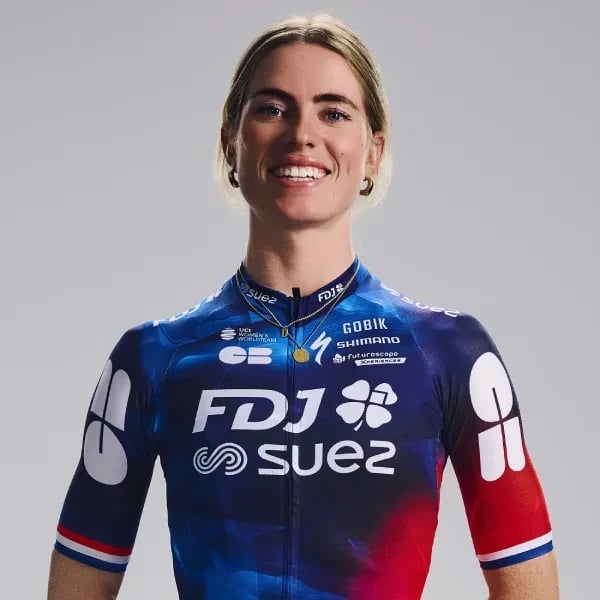
Within the women’s races, a shift is also noticeable. While SD Worx-ProTime dominated and divided for years, this year’s cobbled classics told a different story. With Nokere Koerse (Lotte Kopecky) and In Flanders Fields (Lorena Wiebes), they won only two of the eight cobbled races. In this regard, FDJ United-SUEZ is the new ruler. Demi Vollering won Omloop Het Nieuwsblad and the Tour of Flanders, and Franziska Koch added Paris-Roubaix on Sunday. Elise Chabbey and Célia Gery also distinguished themselves.
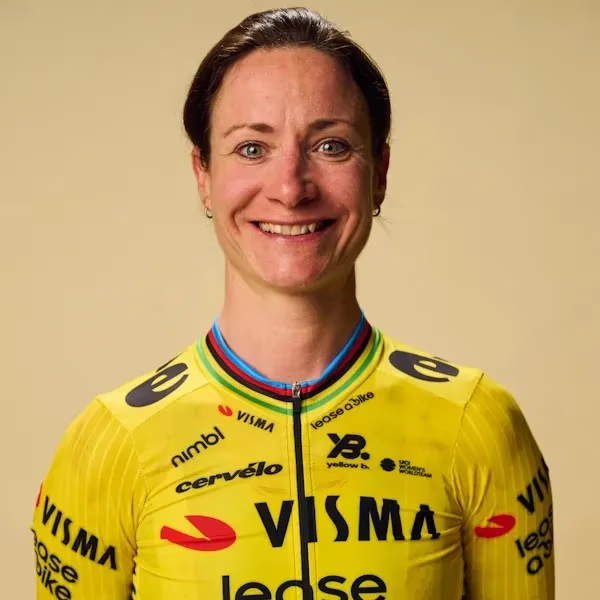
If SD Worx-ProTime is not careful, other teams will surpass them. UAE Team ADQ (Elisa Longo Borghini, Lara Gillespie, Megan Jastrab, and Karlijn Swinkels), Visma | Lease a Bike (Marianne Vos, Pauline Ferrand-Prévot, Nienke Veenhoven, and Lieke Nooijen), Fenix-Premier Tech (Charlotte Kool and Puck Pieterse), Movistar (Marlen Reusser and Cat Ferguson), and AG Insurance-Soudal (Shari Bossuyt and Letizia Borghesi) were all present in several finals with multiple riders. If this trend continues, SD Worx-ProTime will have to rethink their approach—even with world-class stars such as Lotte Kopecky and Lorena Wiebes in their ranks.
Women’s races deserve more TV airtime
The increasing excitement of women’s races and the growing general interest is evident in the viewing figures. In Belgium alone, nearly one million watched the Tour of Flanders for women, while on Sunday nearly 800,000 viewers tuned in on average for the women’s Paris-Roubaix broadcast. These numbers have visibly increased in recent years. In many races, the women’s final takes place after the men’s race, often missing part of the finale despite fans craving more. The challenge for next year’s directors—and possibly even during the hill classics—is to meet this demand.