"Hoped She Wouldn't Win" - Marlen Reusser Criticizes Pauline Ferrand-Prevot's Weight Loss
Since the end of the Tour de France Femmes, the biggest topic in the women's peloton has been the weight loss of overall winner Pauline Ferrand-Prévot. The French rider of Visma | Lease a Bike claims to have lost four kilos, which she says helped her win the Tour. Since then, criticism from the peloton has been pouring in. Marlen Reusser is the next to speak out.
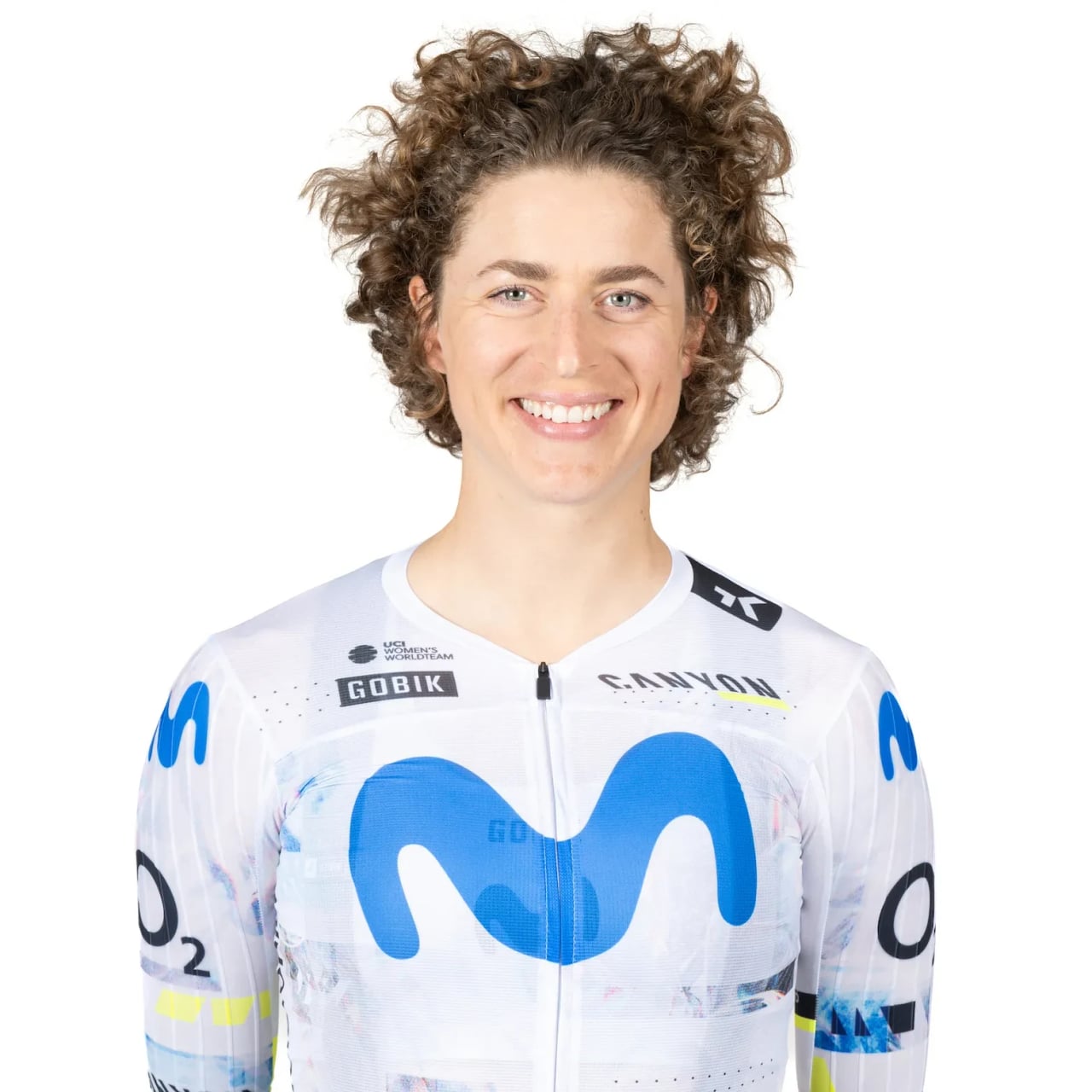
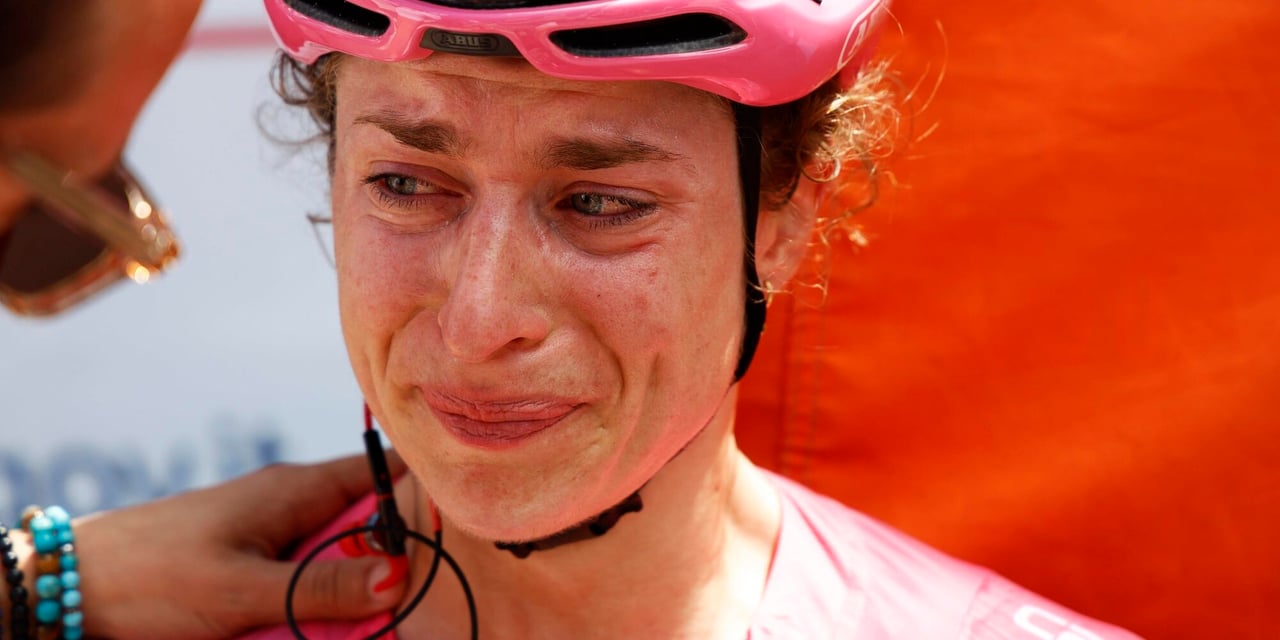
In an interview with the Swiss newspaper Tages Anzeiger, Reusser — who is not only a cyclist but also a trained physician — expresses concern. "We secretly hoped she wouldn’t win. Pauline has set a new standard. If others follow that example, it puts pressure on all riders. If you put on a jersey and are visibly proud that it’s too small, that sends a message.”
"A teammate told me Pauline measures her skinfold to decide if she’s allowed to have breakfast. As a fellow athlete, I admire her. As a doctor, I worry. Is it really safe if the deficiency is only short term? Where is the line between smart performance management and harm?”
Reusser joins the growing chorus of critical voices. Previously, Demi Vollering addressed Ferrand-Prévot’s weight loss, as did her French compatriot Cédrine Kerbaol, who is also a certified nutritionist.
Earlier this week, the cyclists’ union also got involved in the matter, urging the UCI once again to add a REDs screening to the medical check for Women's WorldTeams. An initial request in November 2024 was rejected by the international cycling federation. The Cyclists Alliance hopes the UCI will reconsider the proposal so that a REDs screening becomes part of the medical protocol.
REDs
Relative Energy Deficiency in Sport (REDs) is the modern term, introduced by the IOC in 2014, replacing the Female Athlete Triad. This term described the combination and interaction of disordered eating, irregular menstruation, and decreased bone density in female athletes.
REDs emphasizes that a long-term relative energy deficiency (caused by a syndrome where there is a mismatch between calories consumed and calories burned during exertion) affects numerous bodily functions — beyond just eating disorders or hormonal imbalances — and can occur in both women and men. Symptoms range from decreased performance, mood swings, and recurring injuries to, in more severe cases, reduced bone density, hormonal disorders, and premature career endings.