Picnic PostNL regrets Oscar Onley's departure: “But it always pays off this way”
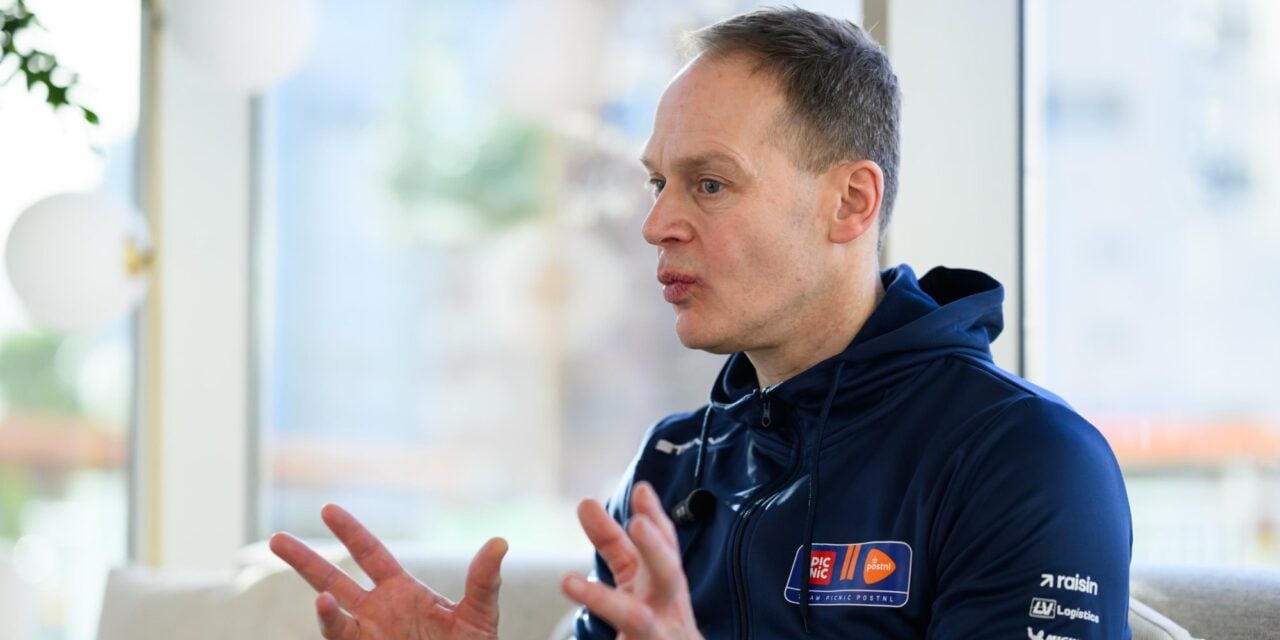
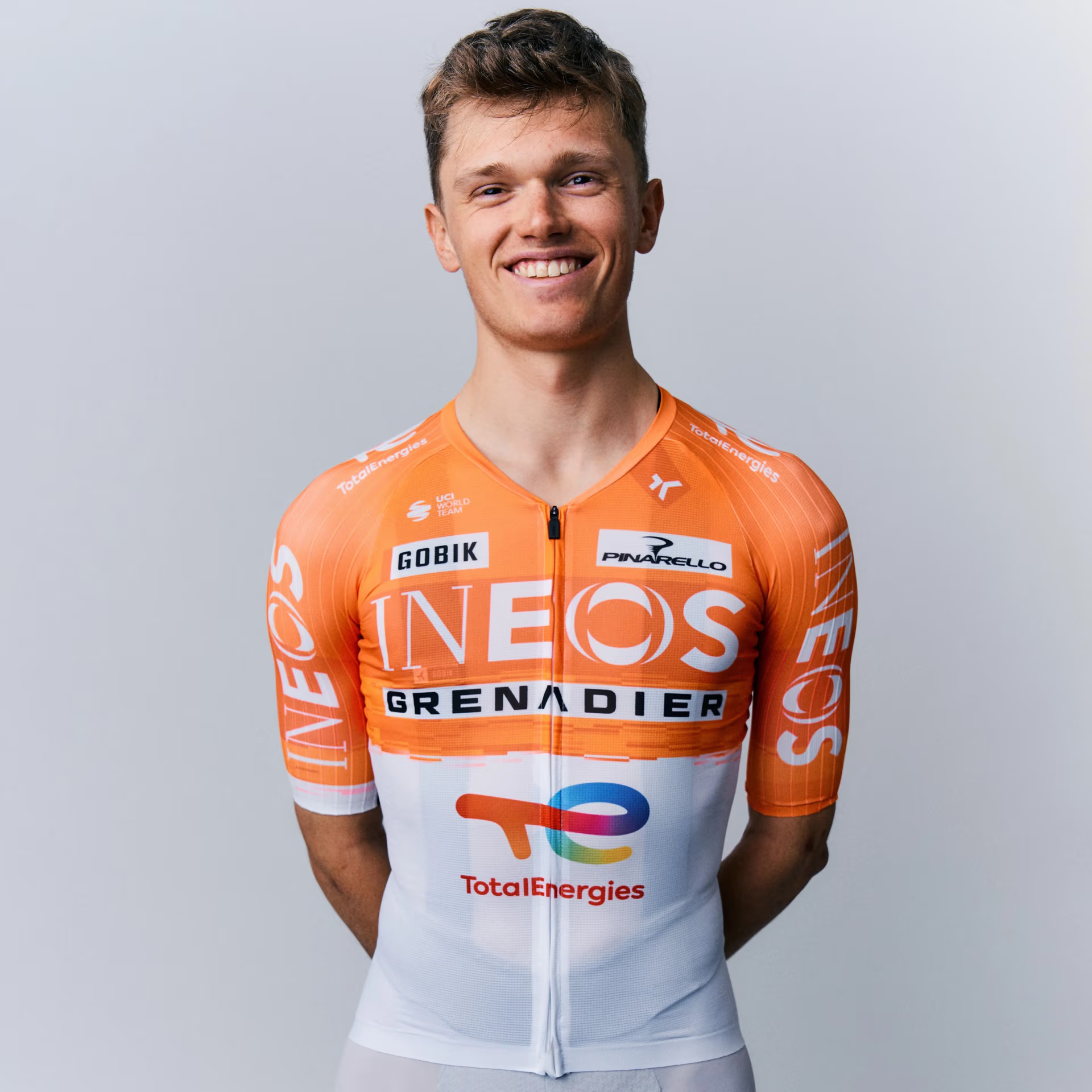
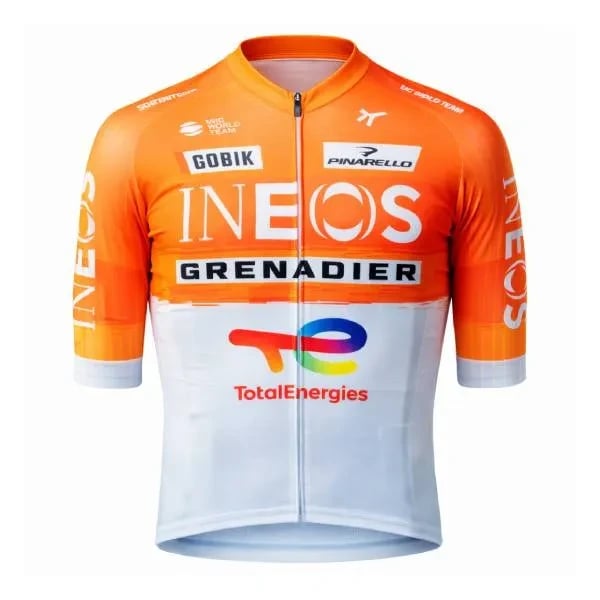
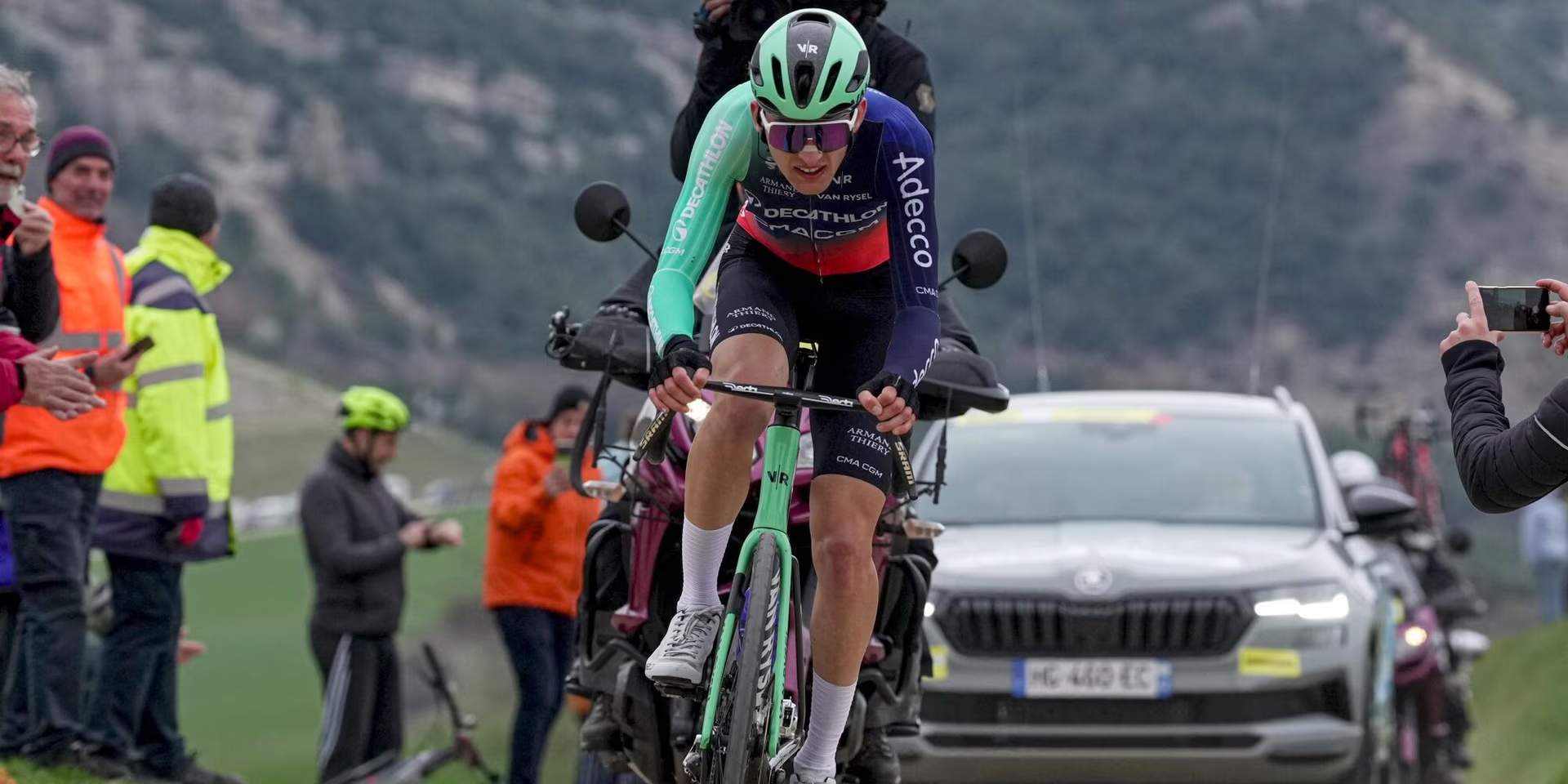
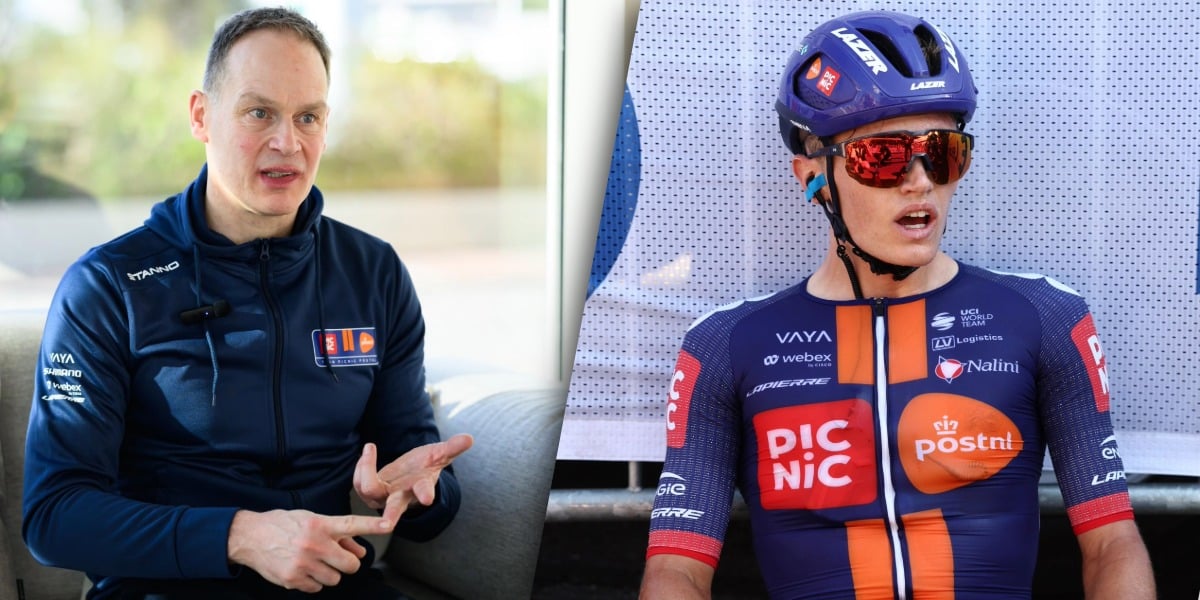
Picnic PostNL is returning this year from the Tour Down Under and the Cadel Evans Great Ocean Road Race without success. The last two seasons were different because of Oscar Onley. This year, the 23-year-old Scot was not present, as he was only recently sold to INEOS Grenadiers. Picnic PostNL team manager Iwan Spekenbrink is disappointed about this, he tells WielerFlits. But he had no choice.
Even though Onley’s five-year contract still had two seasons remaining until the end of 2027, there was significant interest in him after his surprising fourth place in last year’s Tour de France. Although rumors about a transfer to INEOS Grenadiers had been circulating for weeks, Spekenbrink was caught off guard by the offer from the British multimillion-dollar team. “It came suddenly, right at the end of 2025. For us, that was unexpected. We want to aim for the podium in the Tour and eventually win it. I was thrown off for a few days by this bid."
“That’s something you don’t want,” the team boss emphasizes. “We have worked closely with Oscar, who shares the same passion for the sport as we do. He has our DNA. Everything he does is built to make himself a better cyclist. Oscar is a good and very honest person. We have made history together. So you’re frustrated when you might lose someone like him. But cycling has changed over the past years. Where contracts used to be fully served, the reality now is that we’re moving toward a situation known from the football world.”
Making choices in a new reality
So Spekenbrink left the decision to his rider: accept the offer from INEOS Grenadiers – Onley’s childhood dream team – or stay with the team that developed him. “When a rider experiences accelerated development, he can choose to stay. Oscar received the best guidance with us, had the best-protected position in races, and here he could have gone 100% for sporting success. Or he can choose to capitalize on his performance for economic gain and perhaps slightly less favorable overall conditions, such as being team leader less often.”
But Picnic PostNL itself also had to make that consideration. “You get a lucrative offer for a rider you developed. That creates a new game. You can add a new layer to the current economic model based on sponsorship. We are increasingly getting a transfer system in cycling, and you have to develop a strategy for that. That is the new reality. You have to do it better than your competitors. In the past, we often received criticism for letting riders go. But in other sports, this is completely normal.”
Spekenbrink is the first to admit that the timing was not ideal. “I don’t deny that, right before the new year. That’s not what you want. You make plans for when you want to acquire or lose riders. We would have played it perfectly if Oscar had left us at the end of 2027. But then you don’t get the top price for him anymore. Now that was possible on very short notice. Everyone can have their own opinion about that. For the record: I’m not a big supporter of this. I could just as well live with everyone respecting their contracts.”
Return on investment
“But I have the team’s best interests at heart,” he explains. “We want to grow. There’s often talk that our relationship with riders isn’t good. But you shouldn’t read too much personal stuff into these transfers. I see it primarily as a revenue model; otherwise, we wouldn’t have done it. I won’t deny that. We invest a lot of energy and workforce – and thus money – in the development of our athletes. This way, it always pays off. Either riders bring us great results, or they generate income for us. That’s called return on investment.”
According to our information, Picnic PostNL nets between four and six million euros from Onley’s transfer, who himself will move to a salary of three million euros per year. At Picnic PostNL, he was set to earn half a million euros in 2026. “The transfer is justifiable from a business perspective,” the team manager remains cautious. “You just have to be careful not to fall into the trap of measuring it against the sporting side. One way or another, the offer was a consequence of success. And those who have known us for years know that we are very good at discovering talent.”
Onley is the latest example in a line including Marcel Kittel, John Degenkolb, Warren Barguil, and of course Tom Dumoulin. “Within our team, we have built a lot of expertise and knowledge to develop riders as well as possible. And with that, also our team. This is something we have always invested in and have produced world-class riders. Last Tour de France, six riders came from our own U23 team. That and Oscar’s success are living proof that we must continue on this path.”