UCI Sparks New Battle With WorldTour Teams Over This Rule
The international cycling union UCI has come up with something new: road cycling should become the catalyst for other cycling disciplines. That sounds quite noble when you hear it like this. But who pays the price for this, and who ultimately benefits the most?
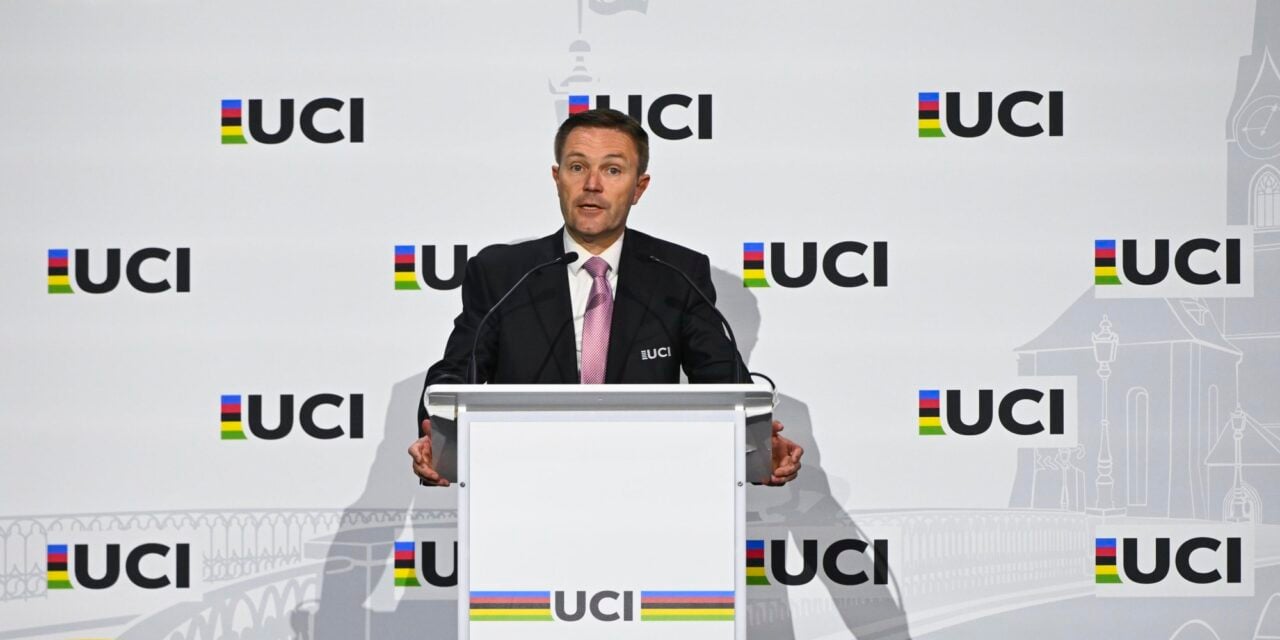
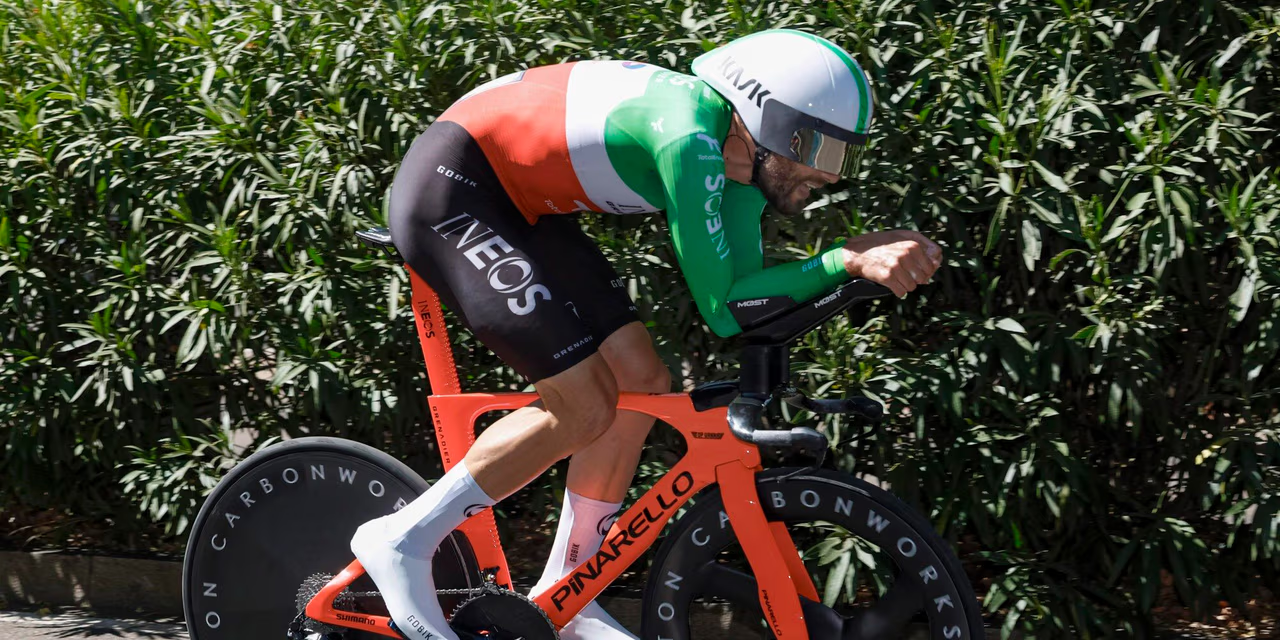
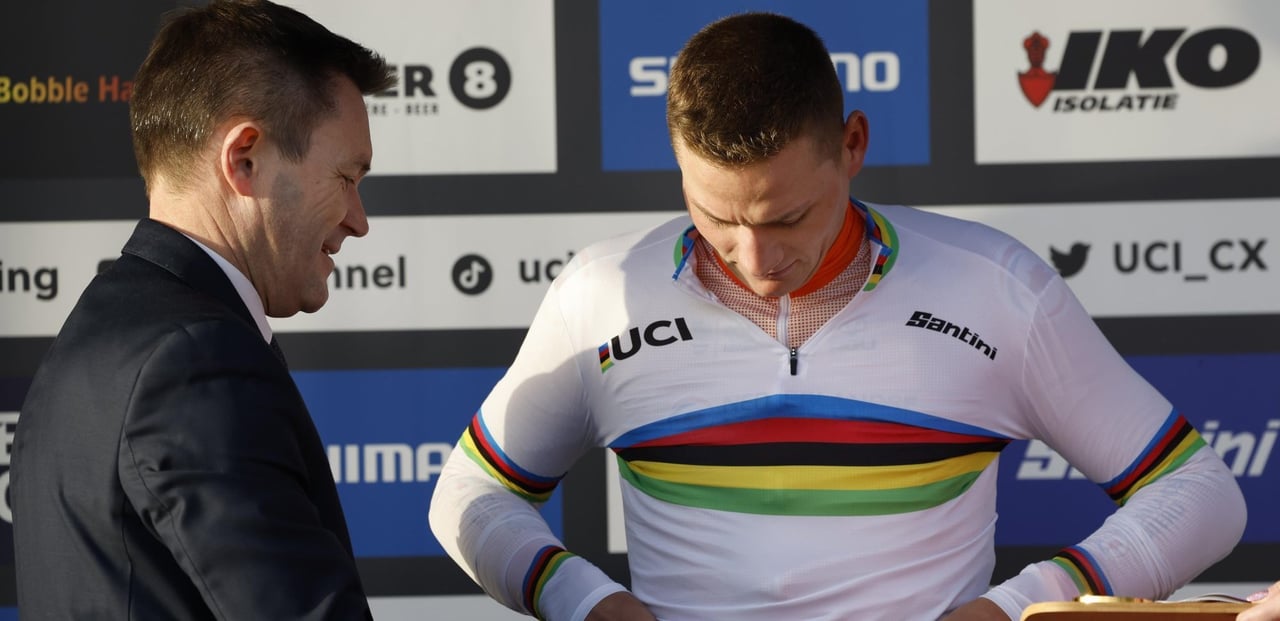
The UCI has announced a new rule that from 2027 WorldTour teams can also earn points in the World Cups and World Championships on the track, mountain biking, and cyclo-cross. This is primarily a move to boost the UCI’s coffers in the short term, and ultimately it will drive the cost of a WorldTour team even higher.
During the World Championships in Kigali, the UCI presented this new measure, and immediate indignation was heard from the WorldTour teams. Especially those at the lower end of the WorldTour, who are fighting to avoid relegation; this new rule means they have to invest even more money in their squads because they are now also forced to put resources into track, mountain biking, and cyclo-cross.
With this new rule, the UCI has made it clear that the WorldTour is its cash cow. After all, who earns money from selling the rights for the world cups and world championships on track, mountain bike, and cyclo-cross? The UCI. Who benefits from these disciplines becoming more popular because road stars also participate? The UCI.
Still, this is mainly a short-term mindset. With all due respect to track, mountain biking, and cyclo-cross: for multinationals, only road cycling is truly interesting. And the big problem for road cycling already is that the current WorldTour is unclear to the general public because it contains too many races.
Who will understand the points system from 2027 onwards when teams can also earn points in other disciplines? It is no coincidence that behind the scenes, major WorldTour teams are working to establish a simpler competition format (OneCycling), which already attracts large investment funds from Saudi Arabia and the United States wanting to put in significant money.
Precisely now that OneCycling appears to be temporarily on ice, the UCI could have shown vision by making the WorldTour much stronger and more profitable for all stakeholders. But what does the UCI do? It causes even more inflation of the most important competition in cycling with more disciplines and races, making it so confusing that cycling fans will soon not understand it at all.
Relegation zone
Of course, the WorldTour teams in the relegation zone will also have to invest in track, mountain biking, and cyclo-cross from 2027 onward. After all, they fight for survival. For teams like Cofidis, Jayco-AlUla, Team Picnic-PostNL, and Groupama-FDJ, this is currently their key mission. The WorldTour status means entry rights to the major road races, think Tour de France. And from that status, they secure their sponsors. Sponsors (multinationals) who have little or no interest in other disciplines.
Especially at the lower end of the WorldTour, many teams are struggling financially to keep their heads above water. The disappearance of Arkéa and the forced merger of Intermarché-Wanty with Lotto are proof that the ever-increasing price tag of a WorldTour team is no longer affordable for everyone.
In recent years, an average WorldTour team also includes a women’s team at the highest level and a development team. Additionally, performance with scientific support has become a much bigger expense. Now the UCI, which should defend the interests of all stakeholders in cycling, is adding a huge cost burden on these teams.
This new unilaterally imposed measure by the UCI will fuel the idea among many teams to push forward again with OneCycling. It will also bring them closer to a breakaway competition. Then without the UCI. This is a message we are already receiving from several WorldTour teams.