The short history of Strade Bianche is full of heroics on Tuscan gravel roads
Racing on unpaved roads has only grown in popularity in recent years. Yet, nothing quite ties those heroic white dirt roads to Strade Bianche. Yet, this Italian race has only been held nineteen times. WielerFlits takes you on a journey through the history of this race.
Cycling. In virtually no other sport are so many heroic stories written. The athletes in question are placed on a pedestal and worshipped as gods. Heroic and mystical stories from the past are revived. People are proud of the power explosions of the great champions of yesteryear.
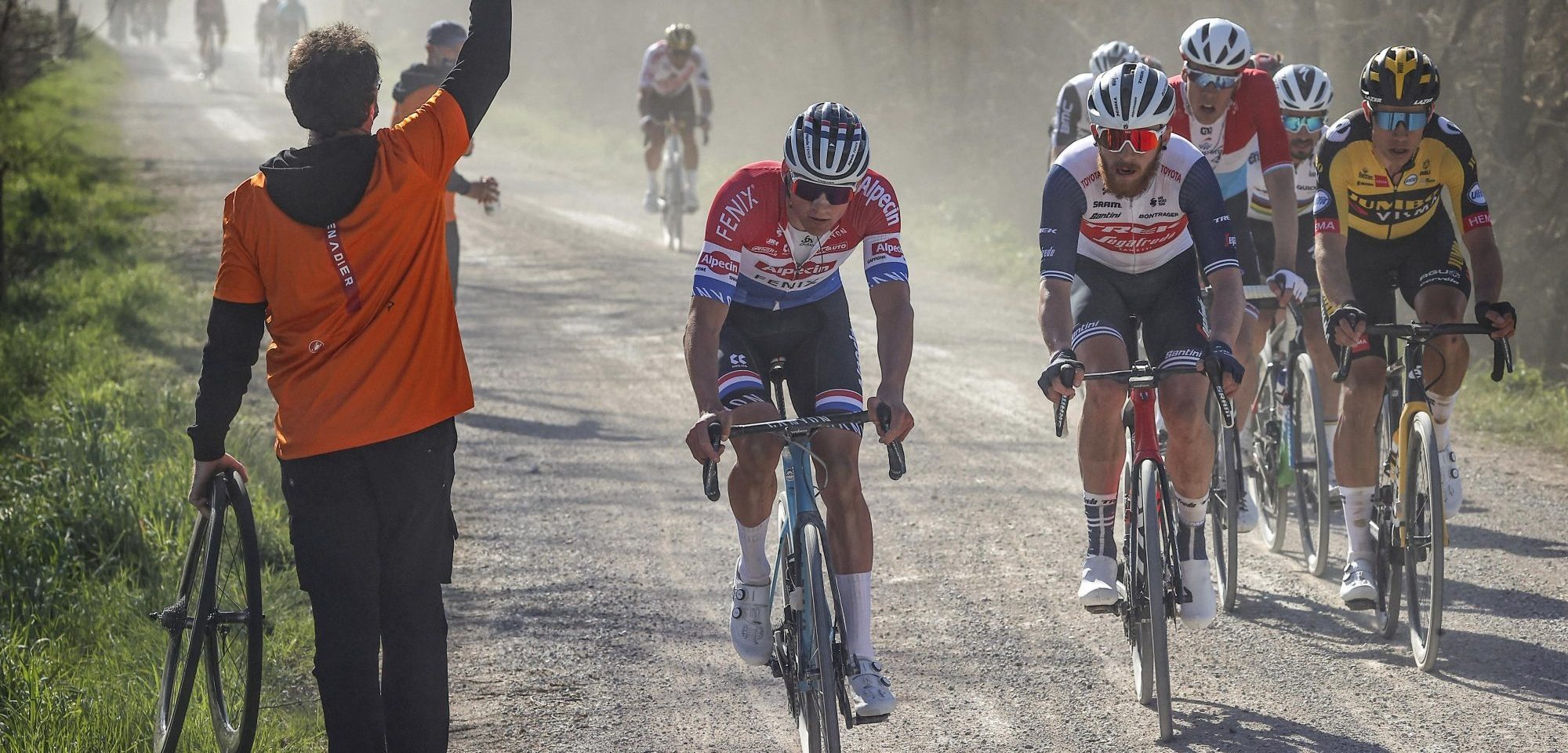
Strade Bianche, in particular, is a race brimming with heroism, even though it only originated in 2007. While the riders are exhausting themselves on those treacherous Tuscan gravel roads, cycling fans can imagine themselves transported back in time for a few hours. To the early days of cycling.
The Tuscan classic began in 2007 as an experiment, exactly ten years after the first edition of the Eroica Tour. At a time when humanity is increasingly forced to adapt to a new, technological world, the Eroica Gran Fondo and Strade Bianche are an ode to the ephemeral.
Think of it as a sporting time machine, where the riders travel back to a time when there was no such thing as train formation. No such thing as a compulsion to control. No such thing as racking up UCI points. No such thing as altitude training on an extinct volcano. But there were classic bikes without gears, leather helmets, and wool sweaters.
 The very first edition of Strade Bianche took place in the autumn, and the organizers had to make do with a limited field. Few top riders were still keen to travel to Tuscany after a tough season to compete in a race on unpaved roads.
With Alexander Kolobnev, a former professional cyclist for Rabobank, Saxo Bank, and Katusha, and best known for his "bribery case" in the final of Liège-Bastogne-Liège in 2010, the newly established race had its first winner. Swede Markus Ljungqvist and Ukrainian Mikhaylo Khalilov joined the podium as the second and third-place finishers.
Moving to Spring
The race was a hit with the cyclists, and the public also showed above-average interest in following such an atypical race. Perhaps even more importantly, after the first edition in 2007, the dates were shifted. The decision was made to move the race from the autumn to the spring, a few days before the start of Tirreno-Adriatico.
This proved to be the decisive push for many top riders to make Strade Bianche their first major goal in the early spring. The race quickly gained in popularity, and the first spring edition of Strade Bianche was won by a prominent figure.
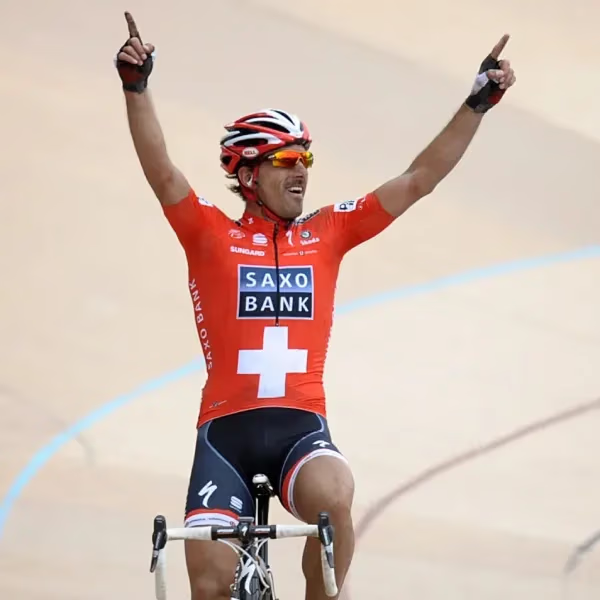
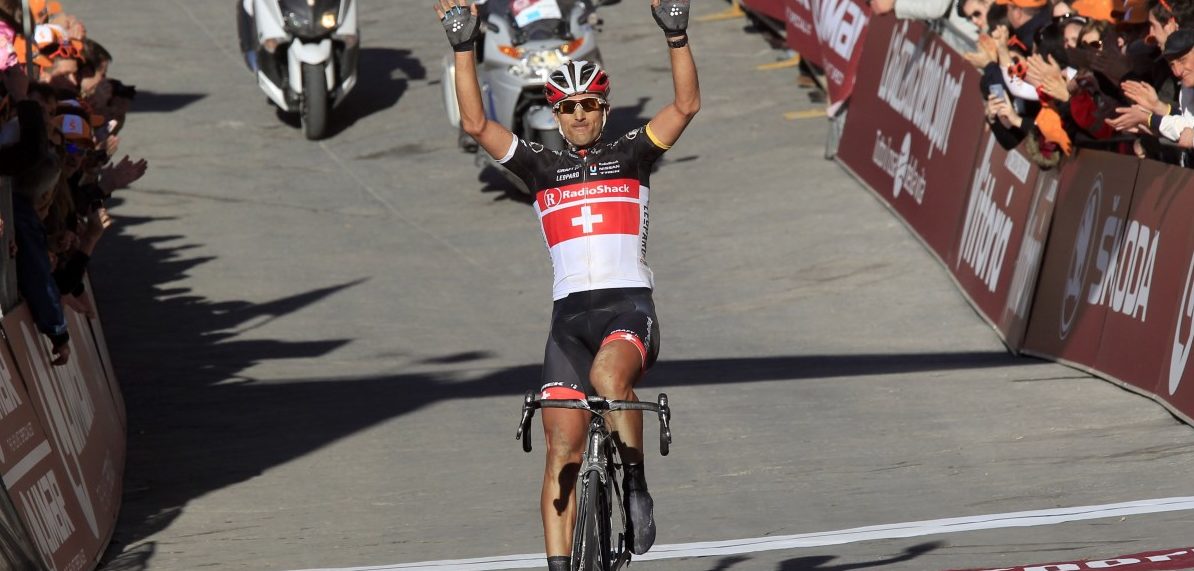
After more than four and a half hours of dust-covered terrain, Fabian Cancellara was able to raise his hand for victory for the first time on the Piazza del Campo in the center of Siena. This wasn't the only victory for Spartacus. The Bernese racer was also the strongest in Strade Bianche in 2012, again after a strong solo, and in his farewell year in 2016, after a sprint with Zdeněk Štybar. With three victories, Cancellara, who has since retired, still holds the record, though he has held it with Tadej Pogačar since 2025.
 Strade Bianche quickly gained popularity in the years following its inaugural edition, partly due to the classic's upgrade from a UCI 1.1 race to the WorldTour. After Cancellara's first triumph in 2008, victory went to Swedish star Thomas Löfkvist, who never quite lived up to his promise. Kazakh Maxim Iglinskiy enjoyed success, and Philippe Gilbert, in his miracle year of 2011, gave the Belgians their first victory in Tuscany.
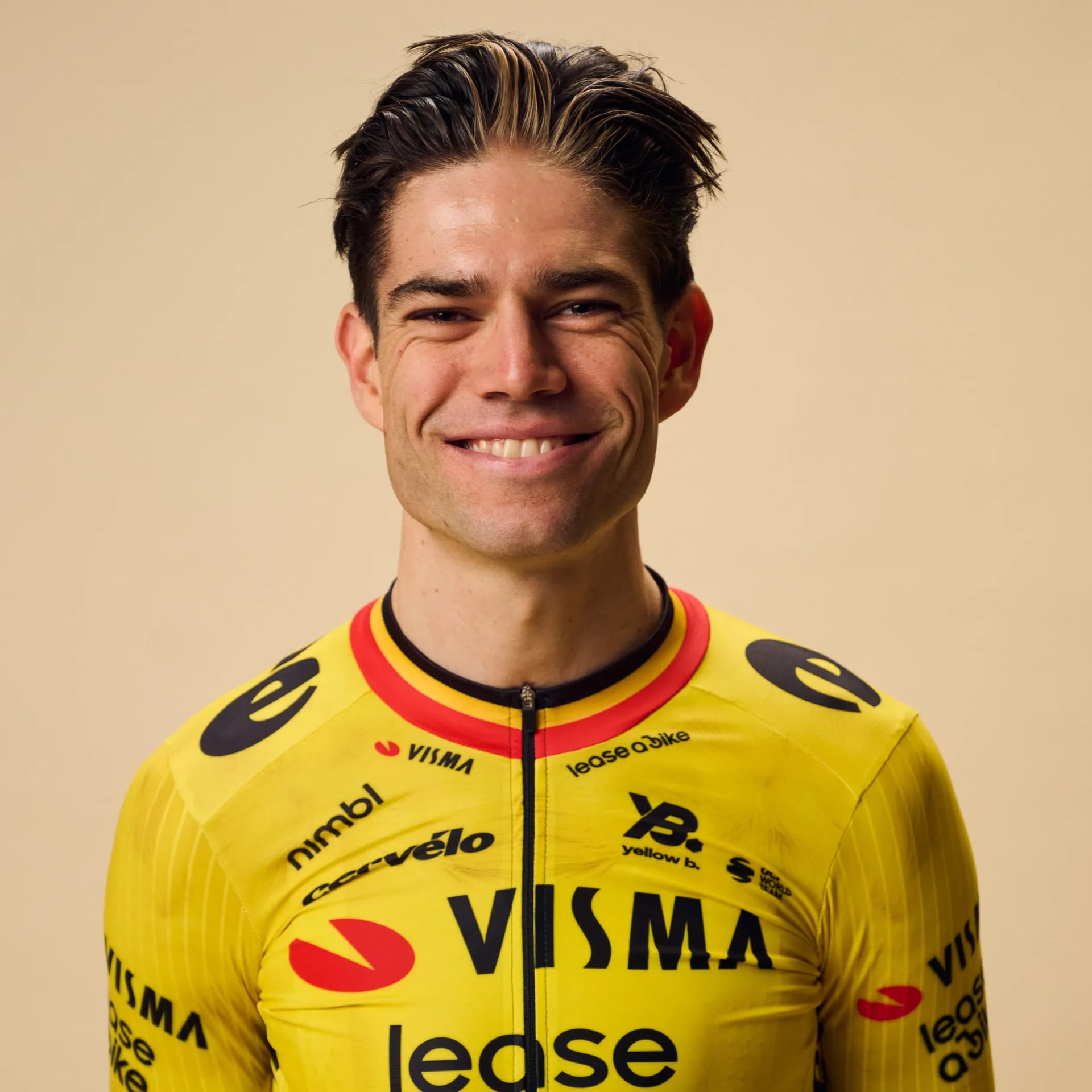
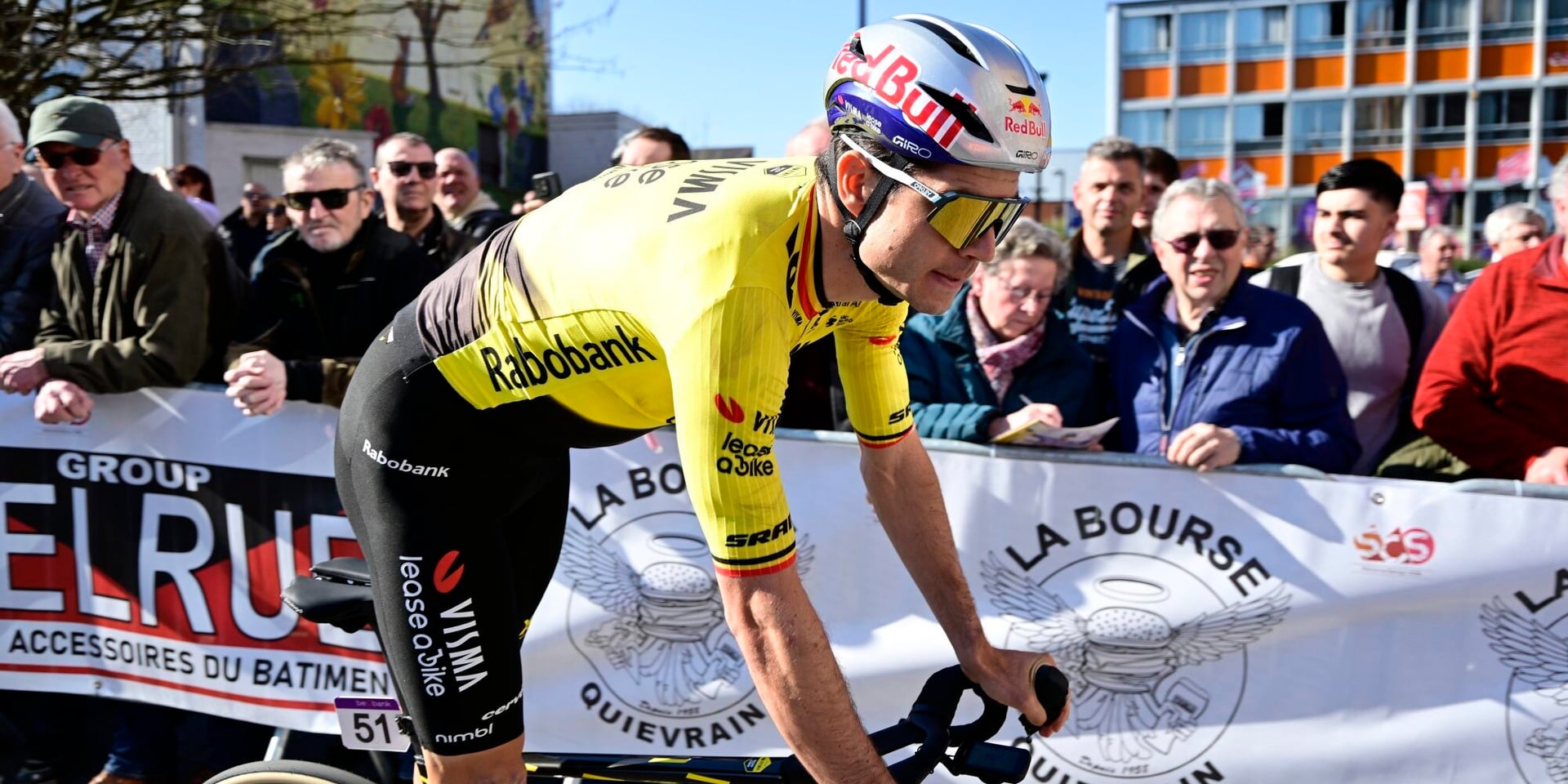
Other riders on the list of winners include the now retired Moreno Moser (2013), Michał Kwiatkowski (2014 and 2017), Zdeněk Štybar (2015), Tiesj Benoot (2018), Julian Alaphilippe (2019), and Wout van Aert (2020). Van Aert had made his first podium appearance in Siena two years earlier, though his grueling run wasn't without its challenges. He fell off his bike on the steep Via Santa Carina and, despite his cyclocross prowess, jumped the wrong way, stricken with cramps.
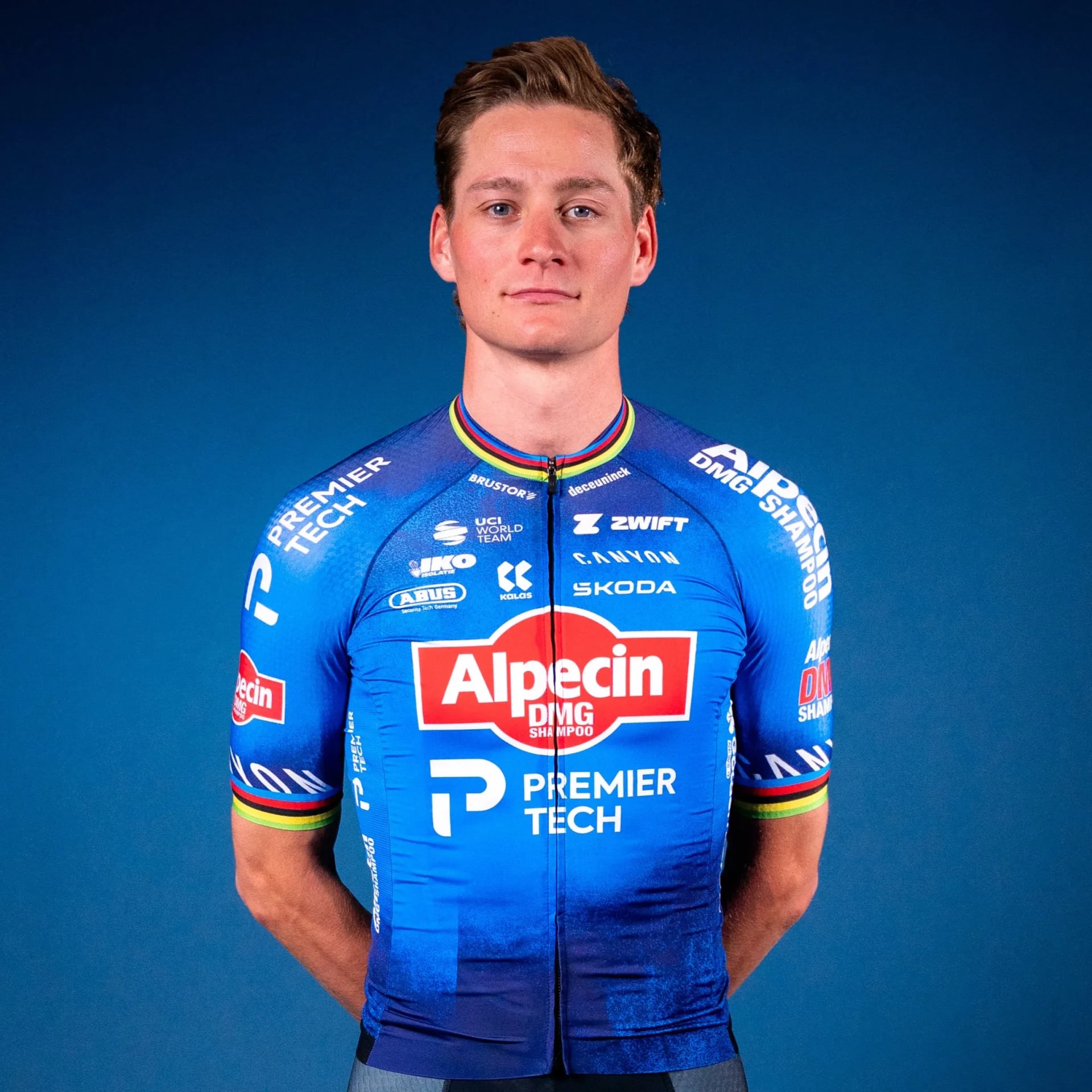
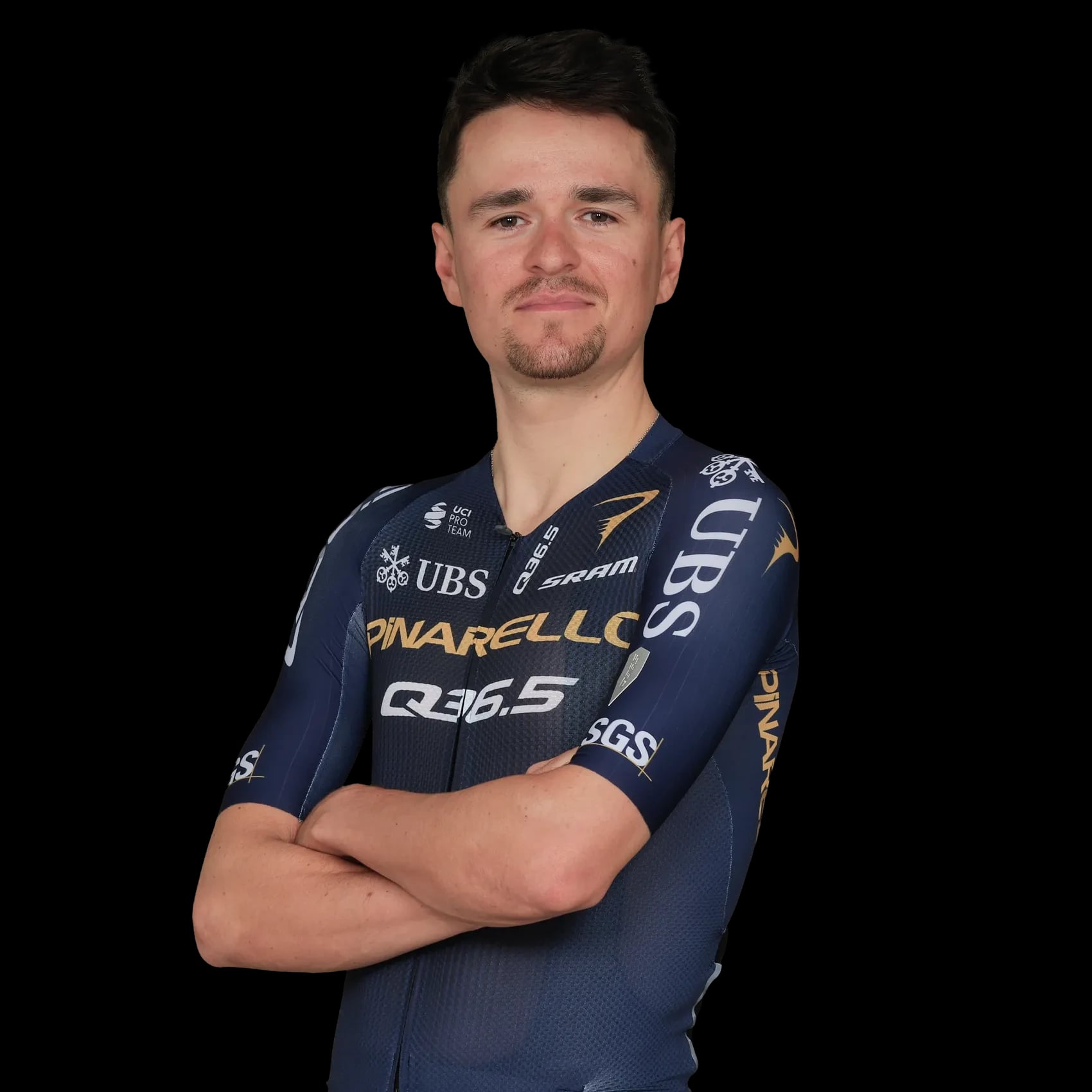
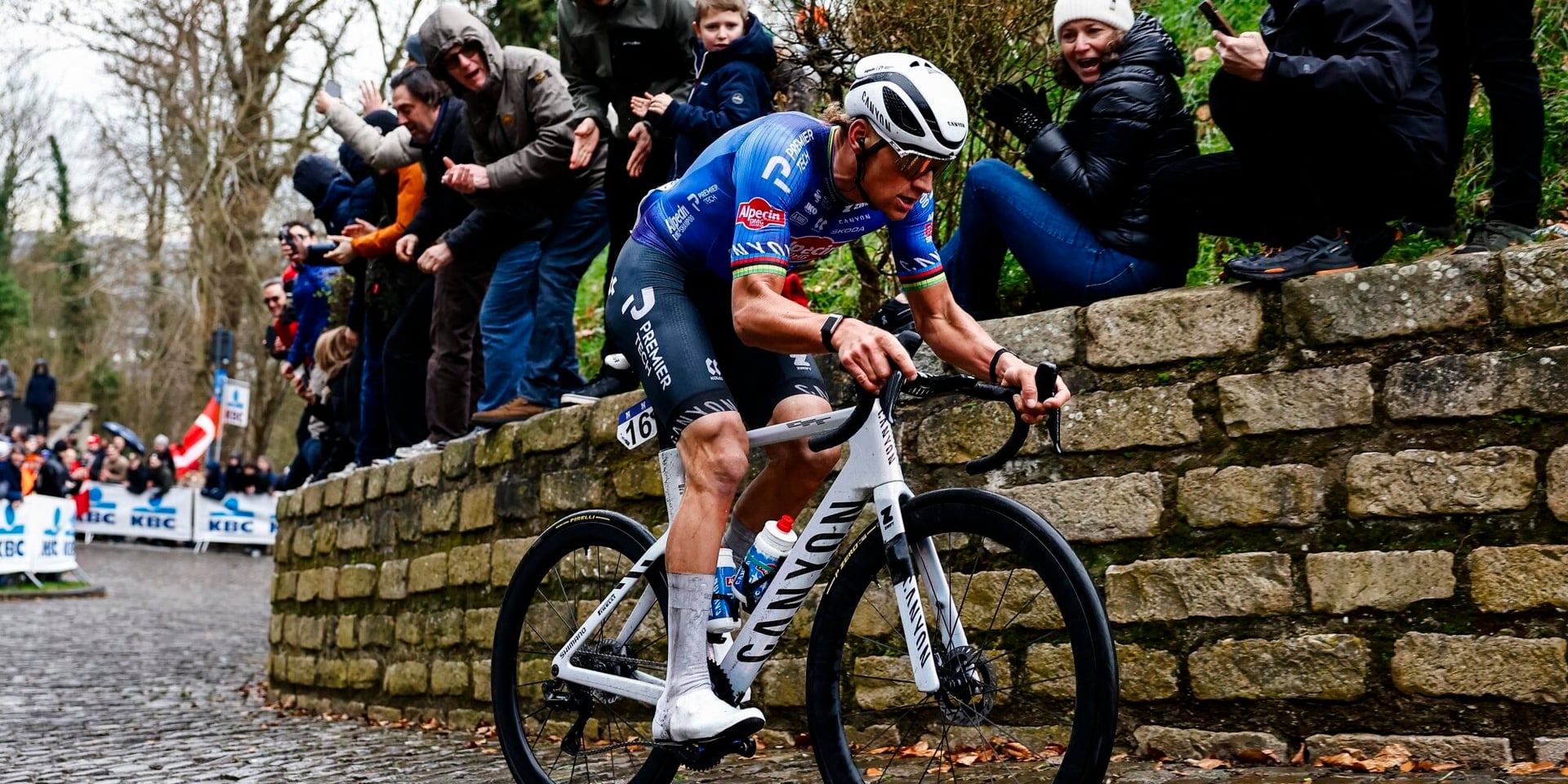
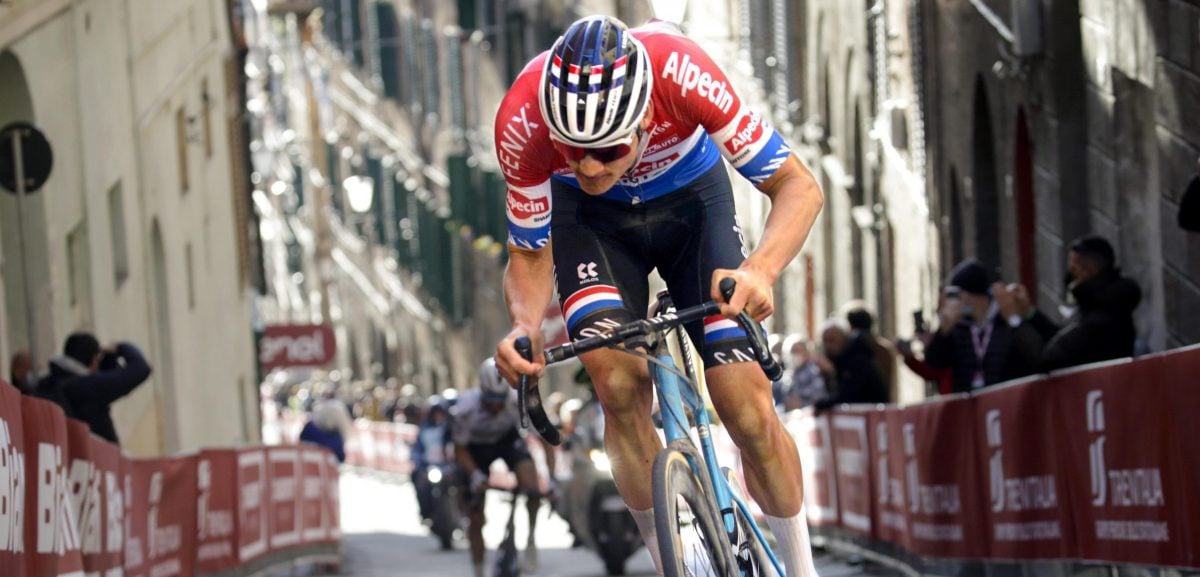
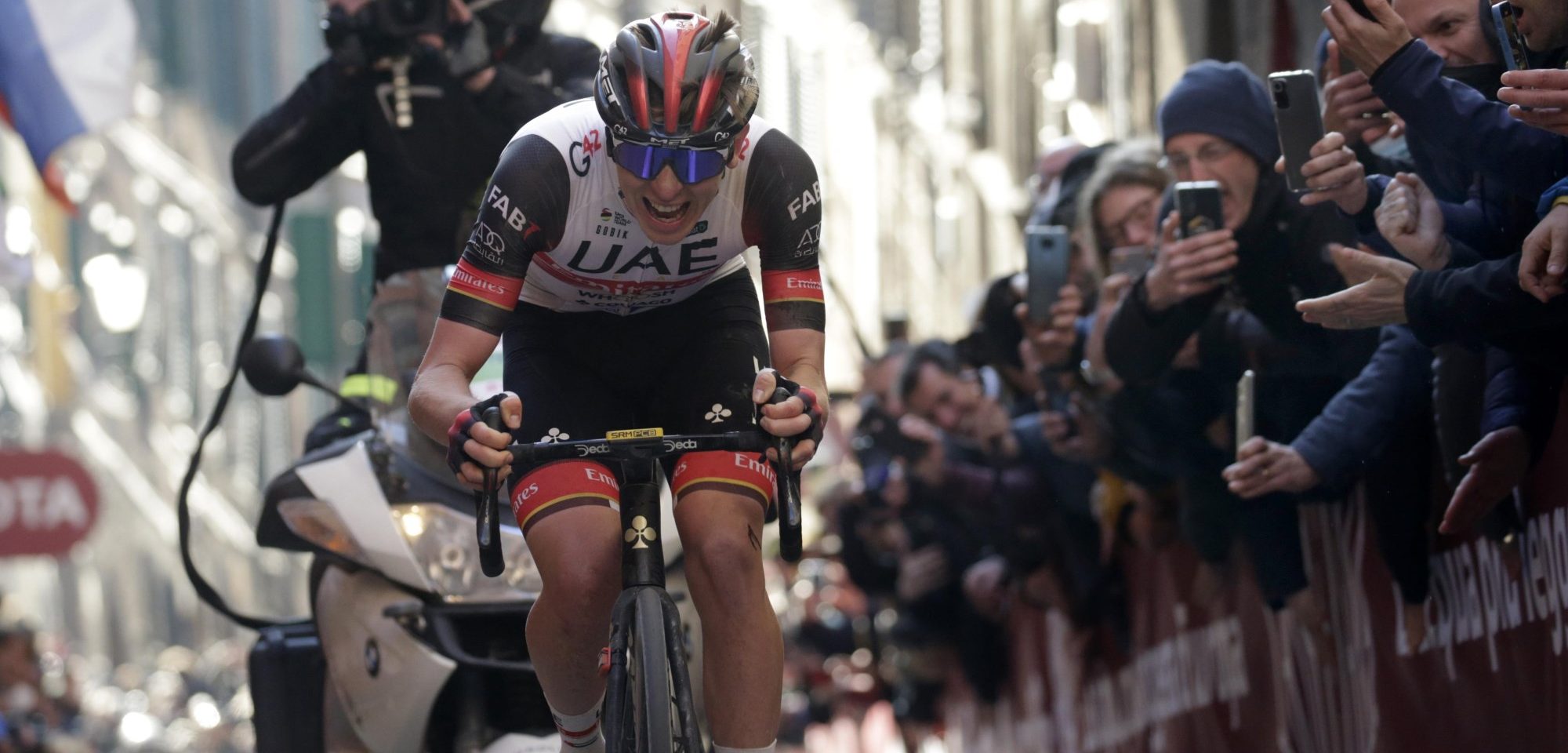
In recent years, the impressive Strade Bianche list of winners has only become more impressive with the addition of several big names. Mathieu van der Poel (2021), Tadej Pogačar (2022, 2024, and 2025), and Tom Pidcock (2023) have joined the ranks. Each of them wrote their own heroic story in Tuscany. Stories of powerful accelerations, long solos, and impressive dominance. Who else is writing their own heroic story in Siena?