Vollering speaks out for Arensman: "Emotion turns into clickbait, nuance disappears"
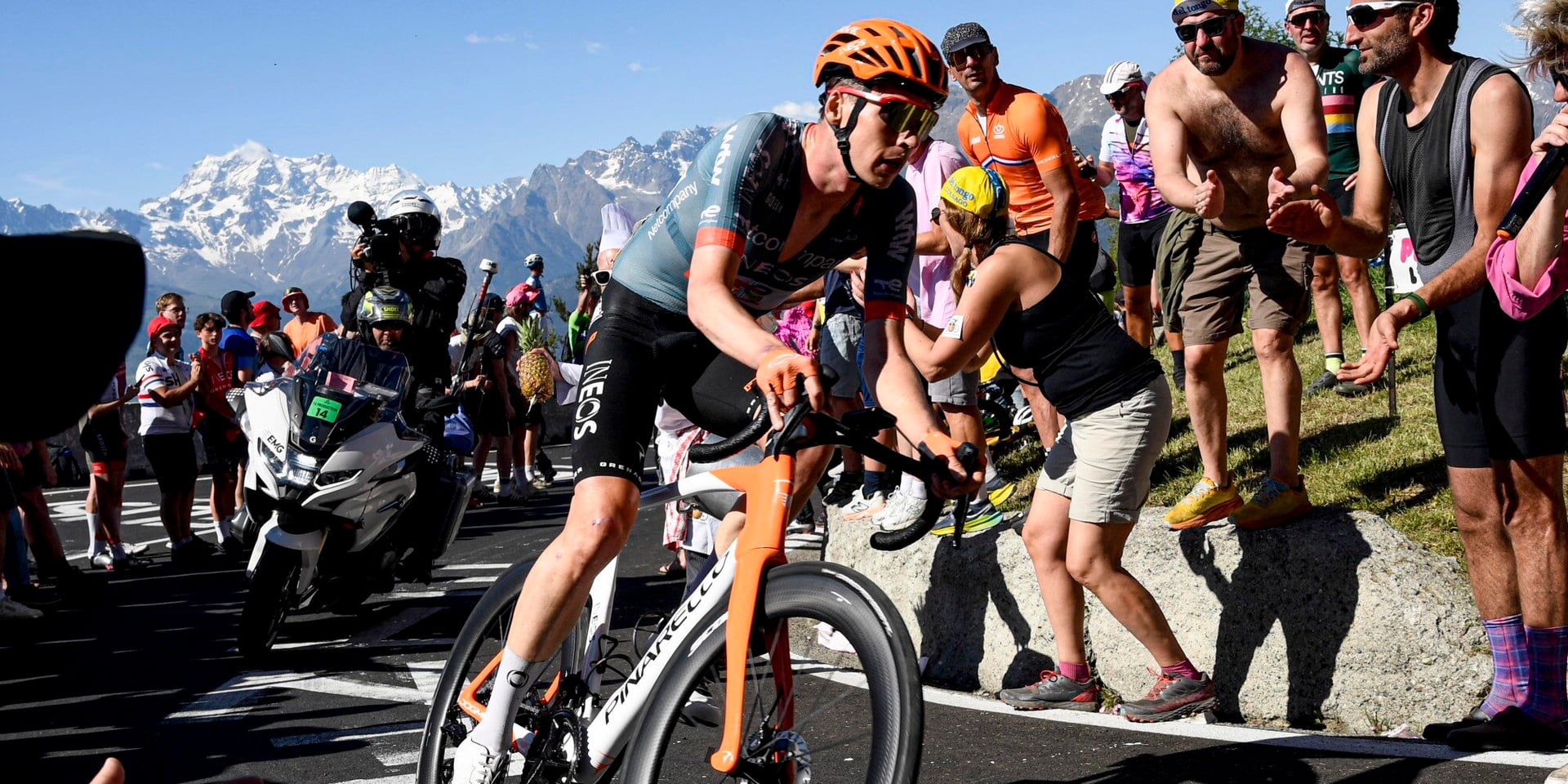
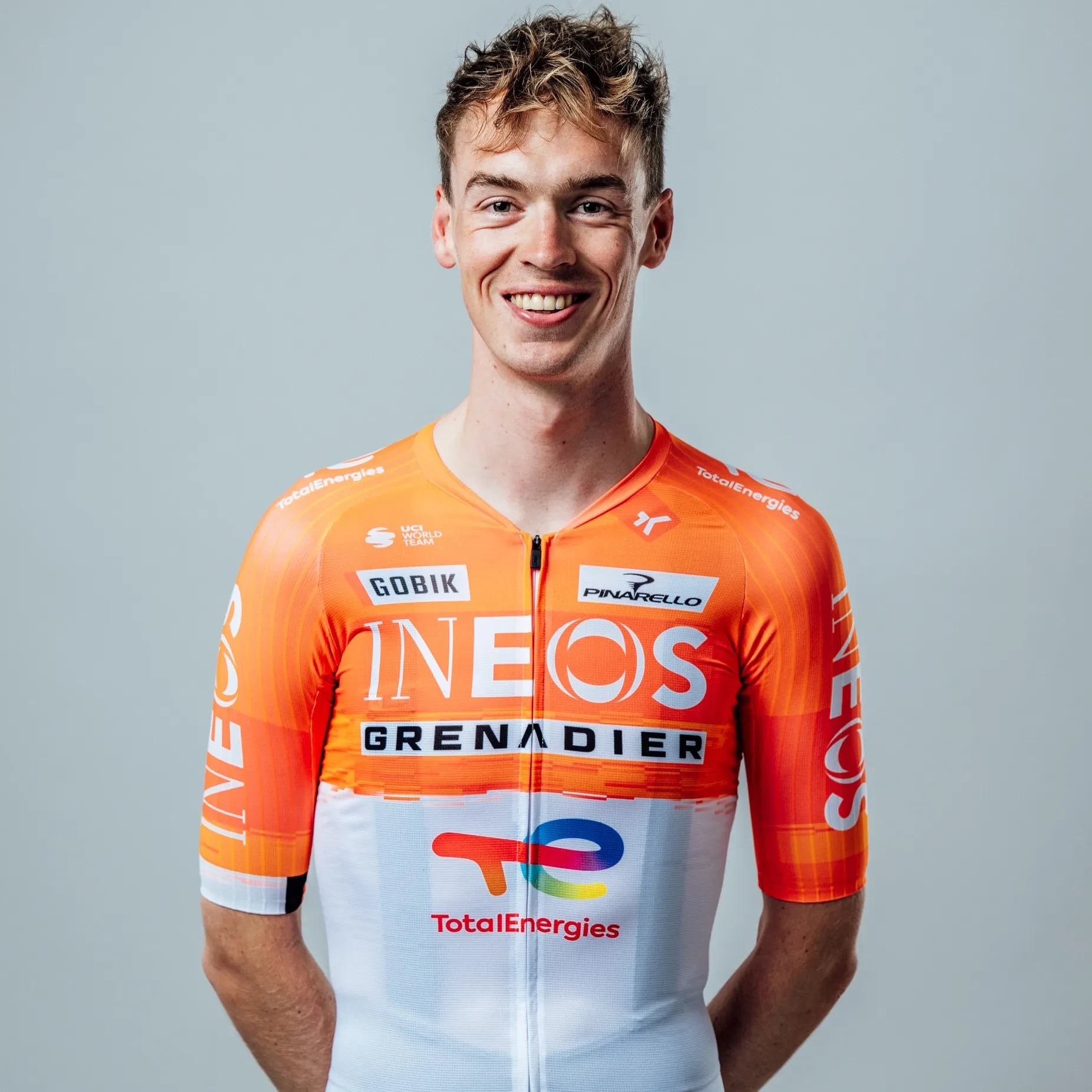
"If I am a bit emotional now, I just follow my routine. Sport is tough and negativity doesn’t help much, even though it is part of being human." These were the words of Thymen Arensman on the final rest day of the Giro d'Italia. Demi Vollering understands why Arensman adopts this approach, but she believes it is extremely important for athletes to remain vulnerable.
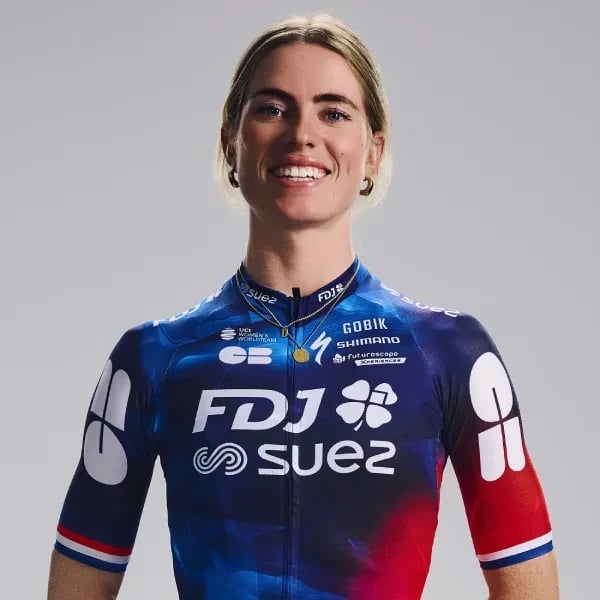
In a passionate post on LinkedIn, Vollering – who is always very open about her feelings and struggles – explains why. "The more perfect an athlete behaves publicly, the more we seem to reward them for it. And I think this says a lot about the world we live in today."
"The recent discussions around Thymen Arensman during the Giro d'Italia made me reflect on this again. Last year, he spoke openly and emotionally about the pressure and mental struggles. This year, he is almost completely shielded from the media. And honestly... I understand that. It also reminded me of athletes like Naomi Osaka, Simone Biles, and Jutta Leerdam.
"Different sports, different personalities, but similar conversations about pressure, visibility, vulnerability, and public opinion," Vollering continues. "Athletes today are expected to perform under enormous pressure, while at the same time constantly remaining visible, available, and emotionally controlled."
"Vulnerability is too often reduced to headlines"
"But what happens when someone does not meet the image of the ‘perfect top athlete’ that people expect? What happens when an athlete is emotional, sensitive, or simply honest about their struggles?" asks the FDJ United-SUEZ leader openly. "Too often vulnerability is reduced to headlines. Emotion becomes clickbait. And nuance disappears."
"Of course, not all media are like that. There are still many journalists who genuinely care about the person behind the athlete, but the reality is that the media landscape has changed enormously. Attention has become the currency. Speed beats nuance. Emotion drives clicks. And as a result, athletes are more media-trained than ever before. More cautious, filtered, and less themselves."
"Not always because they want to be, but because they quickly learn what can happen if they really open up," Vollering explains. "I think this is a missed opportunity for society. Because the struggles top athletes face are often the same struggles many people experience in their own lives."
"It should not be seen as a weakness"
"Pressure, expectations, fear of failure, anxiety, self-doubt... The only difference is that athletes experience this publicly. And maybe it would help many other people feel less alone if athletes talked more openly about these struggles. Without being judged or ending up in the headlines. Being vulnerable should not be seen as a weakness. It is part of being human," she concludes.