Preview Vuelta a España 2025: Can Anyone Challenge Giulio Ciccone in Battle for KOM Jersey?
The fight for the polka dot jersey in a Grand Tour is often the hardest classification to predict. Riders rarely express their ambitions for this jersey beforehand, while the past two decades have shown that attackers can really achieve something in the Vuelta a España. That is also true in 2025, although there now seems to be a genuine top favorite. WielerFlits looks ahead!
History
Last year
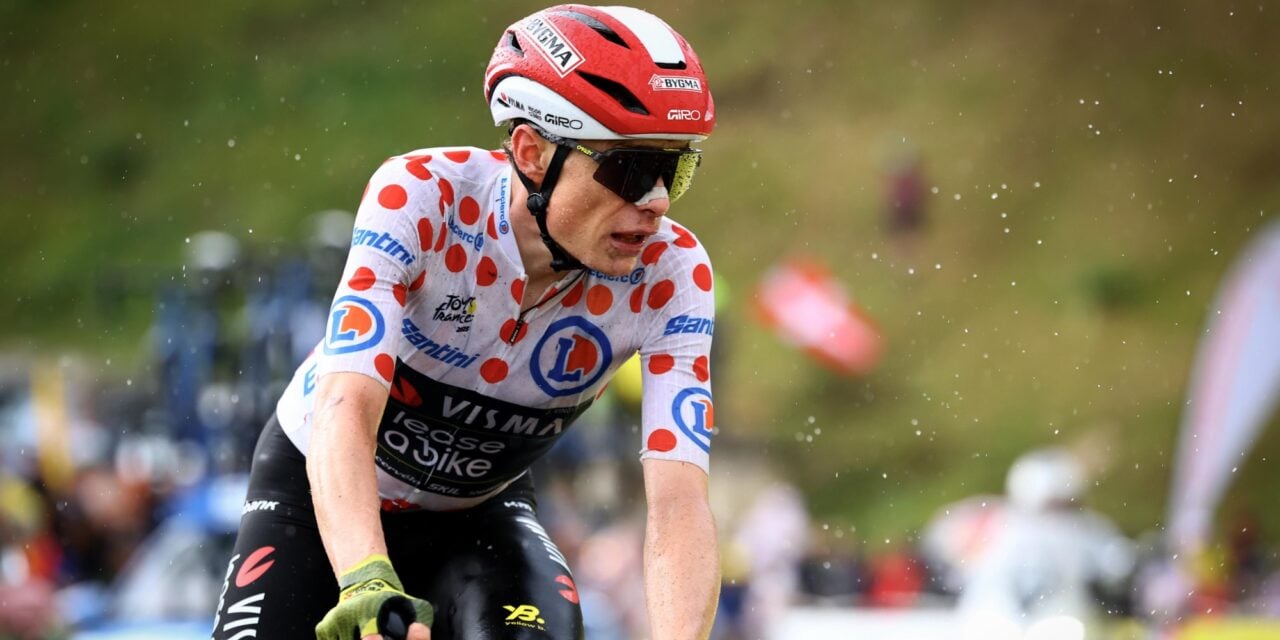
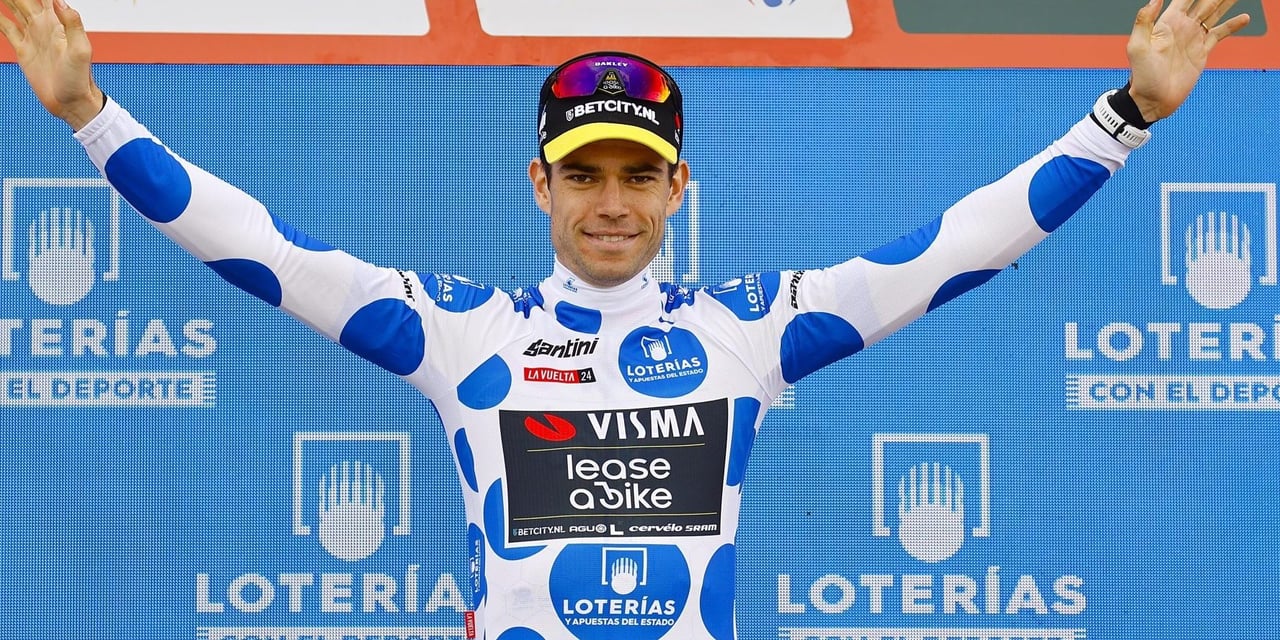
No fewer than eight holders of the blue polka dot jersey in the 2024 edition. It was the Swiss time trialist Stefan Küng who took the first mountain points of the Spanish stage race in the second stage. He wore it for only one day before veteran Luis Ángel Maté took over the mountain jersey. Then it was Sylvain Moniquet’s turn, with Primož Roglič wearing it for one day in between. After that, until his crash, Wout van Aert wore it, and in the final week teammates Jay Vine and Marc Soler alternated. The Australian would ultimately take revenge for 2022. Back then, Vine wore the polka dot jersey sovereignly for Alpecin-Fenix, but a crash forced him to abandon.
Points system
The rules for the mountain classification in the Vuelta a España are much more generous than, for example, in the Tour de France. In recent years, the Tour’s mountain classification is often won by riders who are also competing for the yellow jersey. In the Vuelta, that happens much less because there are many points to be earned on less heavily categorized climbs. In case of a tie in Madrid, the rider who scored the most points on the Cima Alberto Fernández, the highest peak of this Vuelta, wins. That is the Angliru. Incidentally, it is the only climb where a maximum of twenty points is awarded to the first rider over the top. The Bola del Mundo also weighs heavily.
Alto de L’Angliru (Cima Alberto Fernández)
20 - 15 - 10 - 6 - 4 - 2 points
Bola del Mundo (the only other hors catégorie climb)
15 - 10 - 6 - 4 - 2 - 1 points
First category (fifteen climbs)
10 - 6 - 4 - 2 - 1 points
Second category (fourteen climbs)
5 - 3 - 1 points
Third category (fourteen climbs)
3 - 2 - 1 points
Fourth category (one climb)
2 - 1 points
Favorites
In the past, there has only been one Dutch rider who won this classification. That was Joop Zoetemelk in 1971. Since 1935, only two Belgians have managed to win the Spanish mountain classification. The first was… Thomas De Gendt, seven years ago. Two years ago, Remco Evenepoel joined him. As mentioned, the mountain classification with this points system offers opportunities for many attackers. Evenepoel is one of the few exceptions who, since 2000, as a fallen GC contender took home a consolation prize.
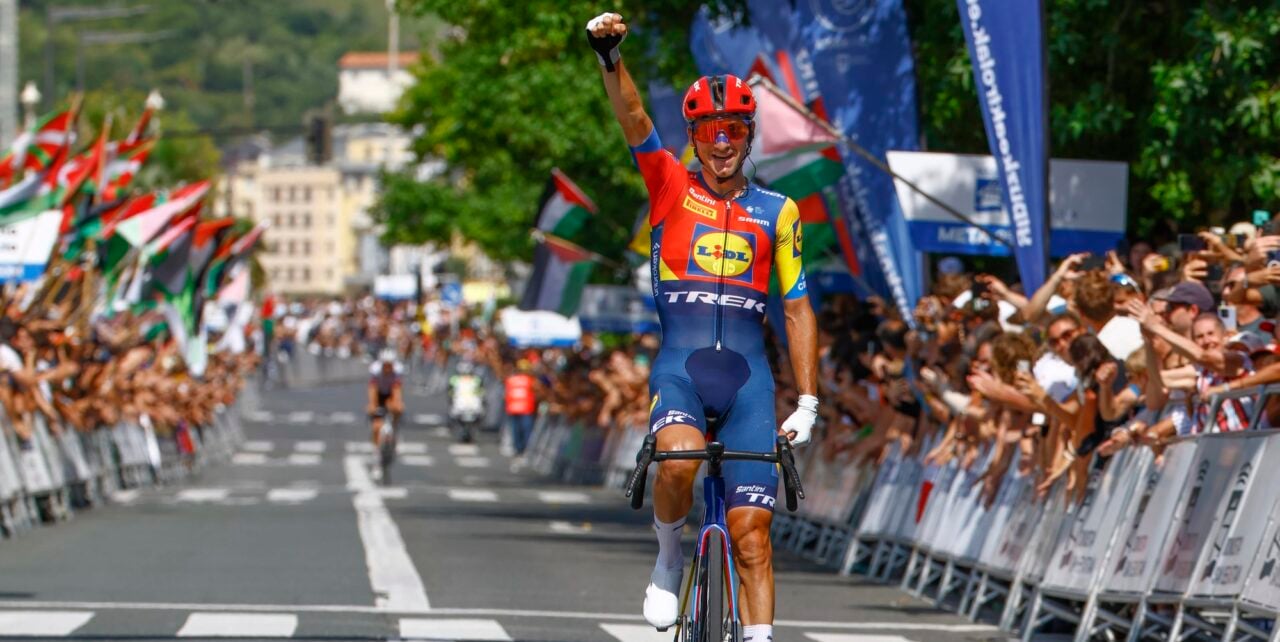
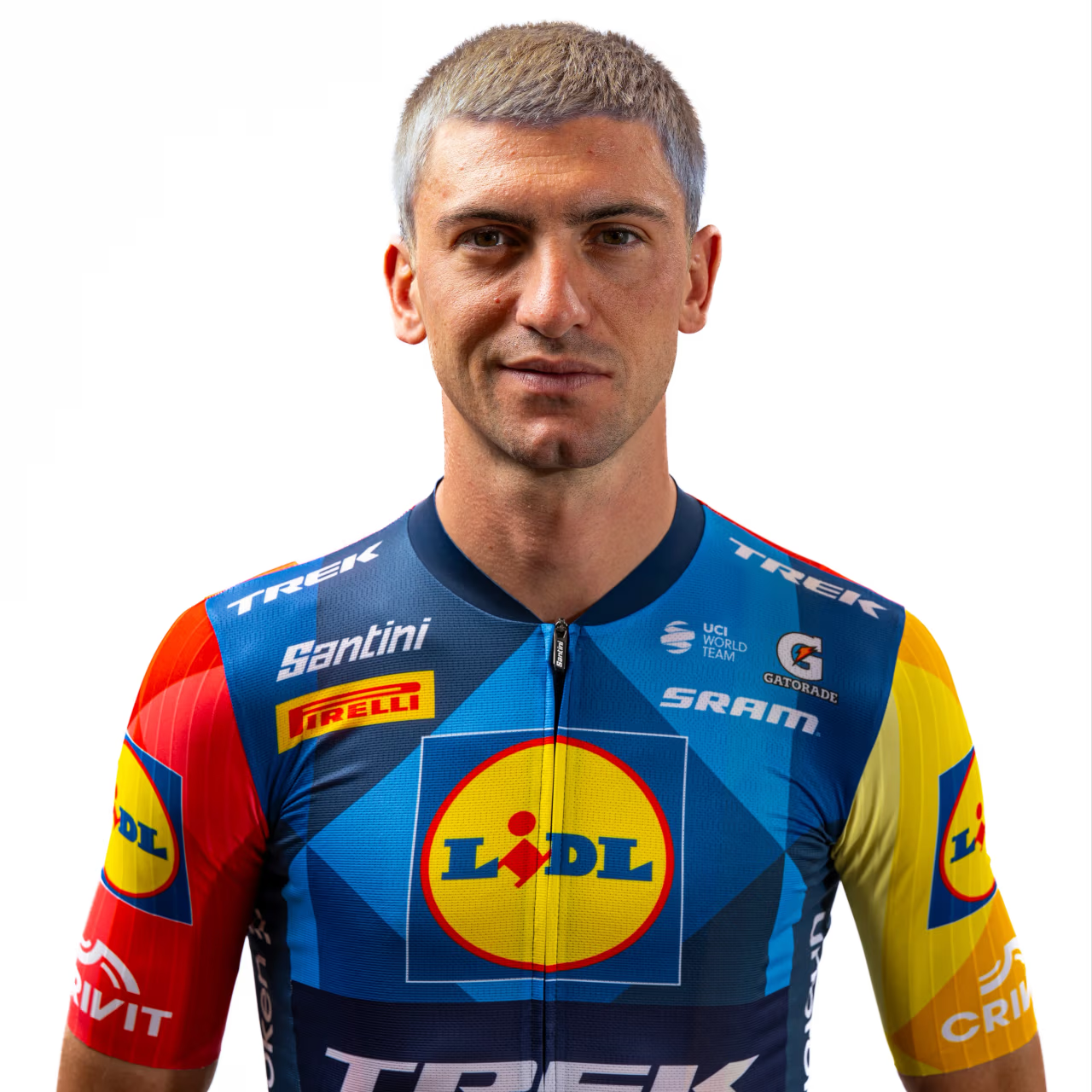
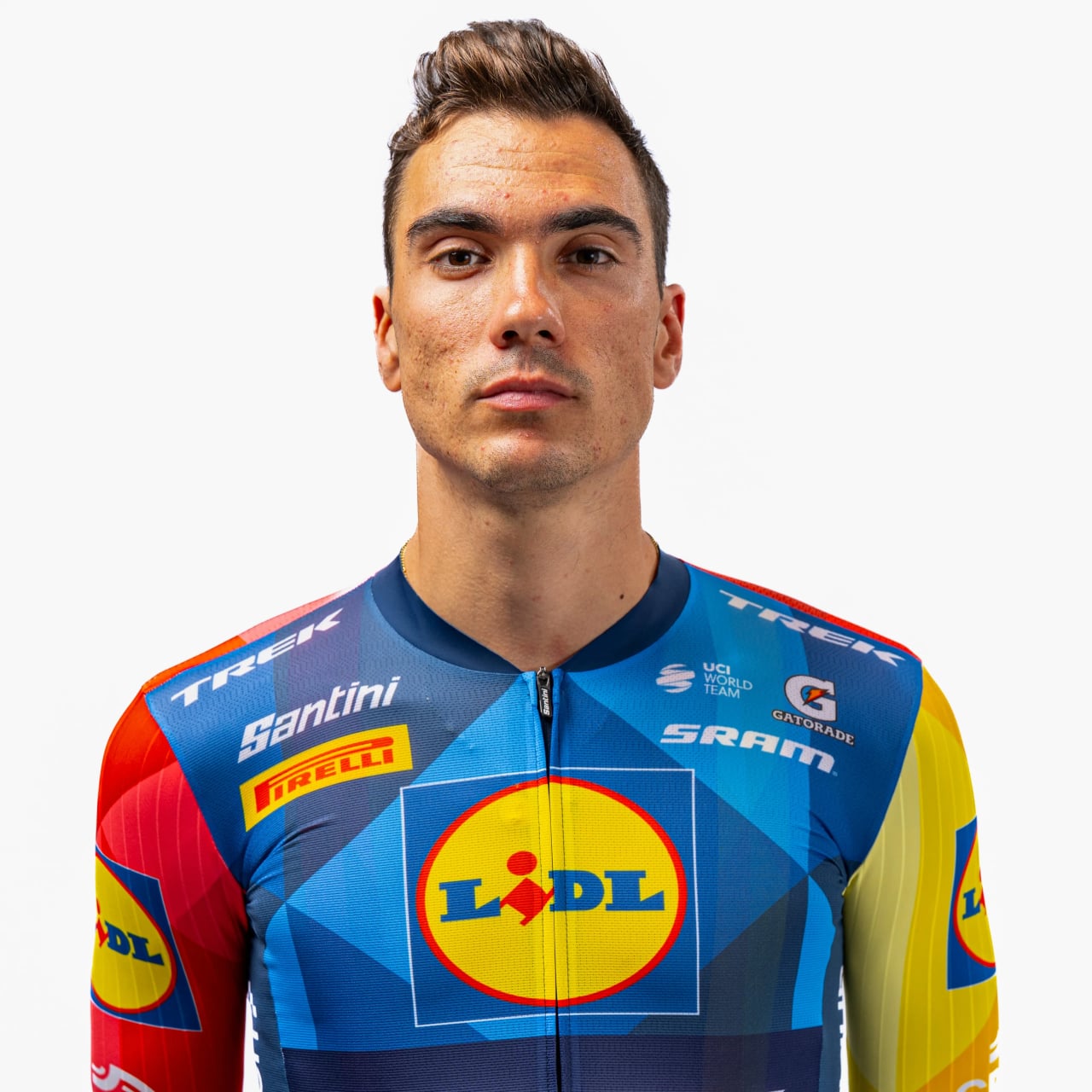
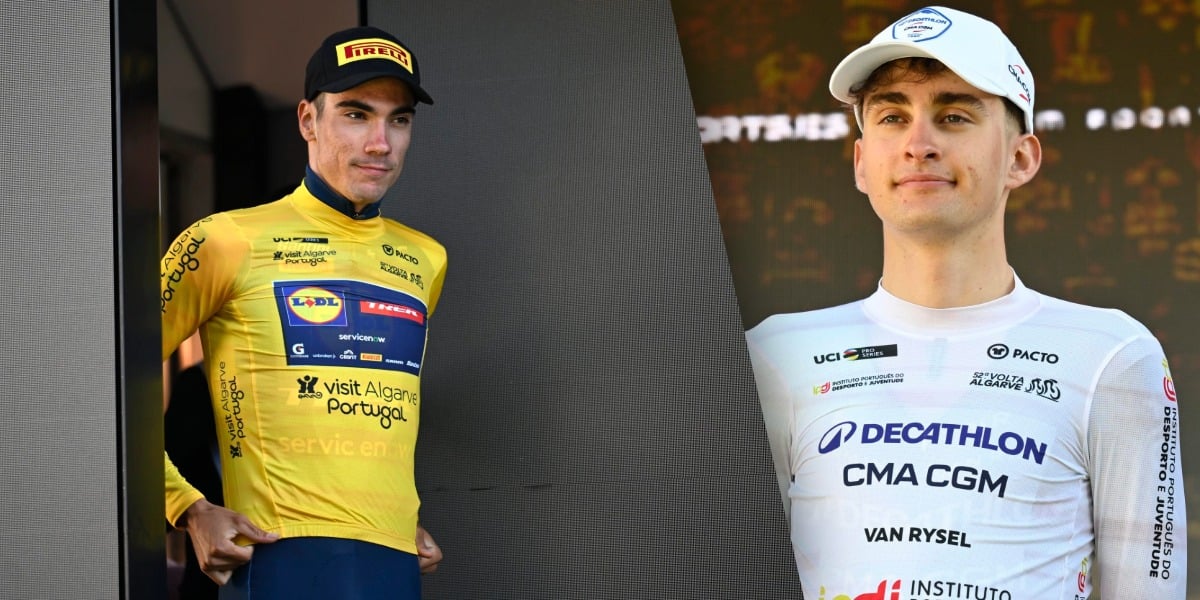
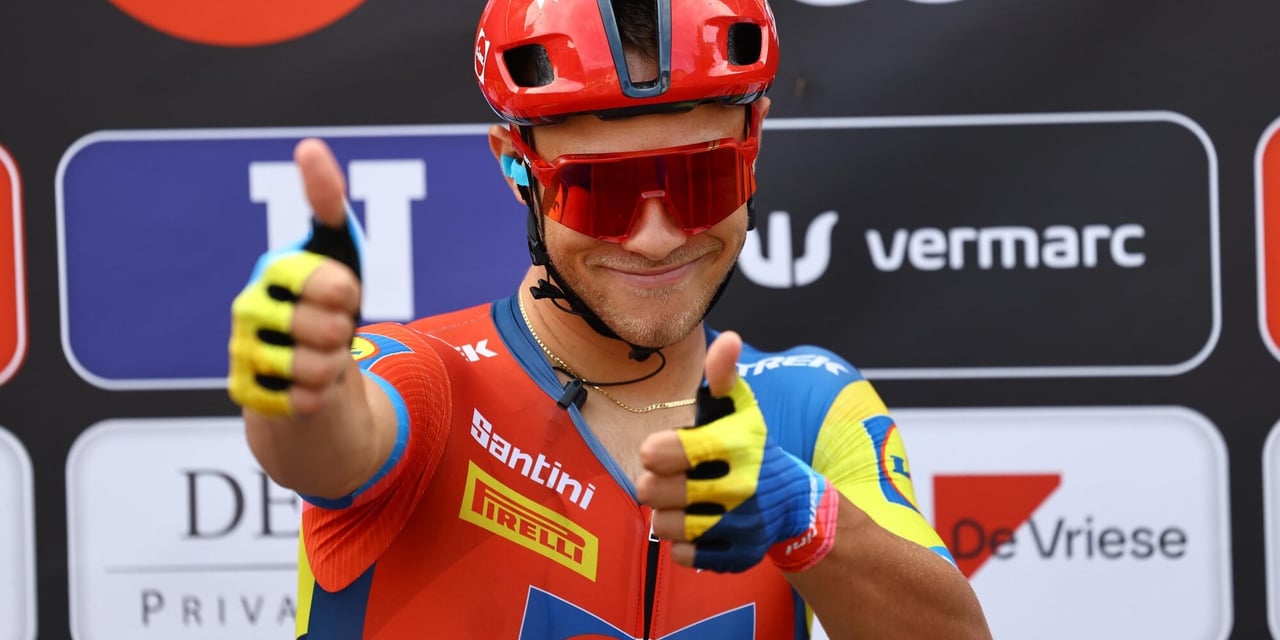
Giulio Ciccone certainly doesn’t see the polka dot jersey that way. The 30-year-old Italian from Lidl-Trek is in the form of his life. Just last month he won the Clásica San Sebastián and the final stage of the Vuelta a Burgos at Lagunas de Neila. Cicco has openly declared his goal to go for the polka dot jersey. That is no surprise, as he has already won the mountain classification in the Giro d’Italia (2019) and the Tour de France (2023). In Spain, he wants to complete his trilogy. With his current form, he could also pursue a good general classification, but he has never finished higher than eleventh.
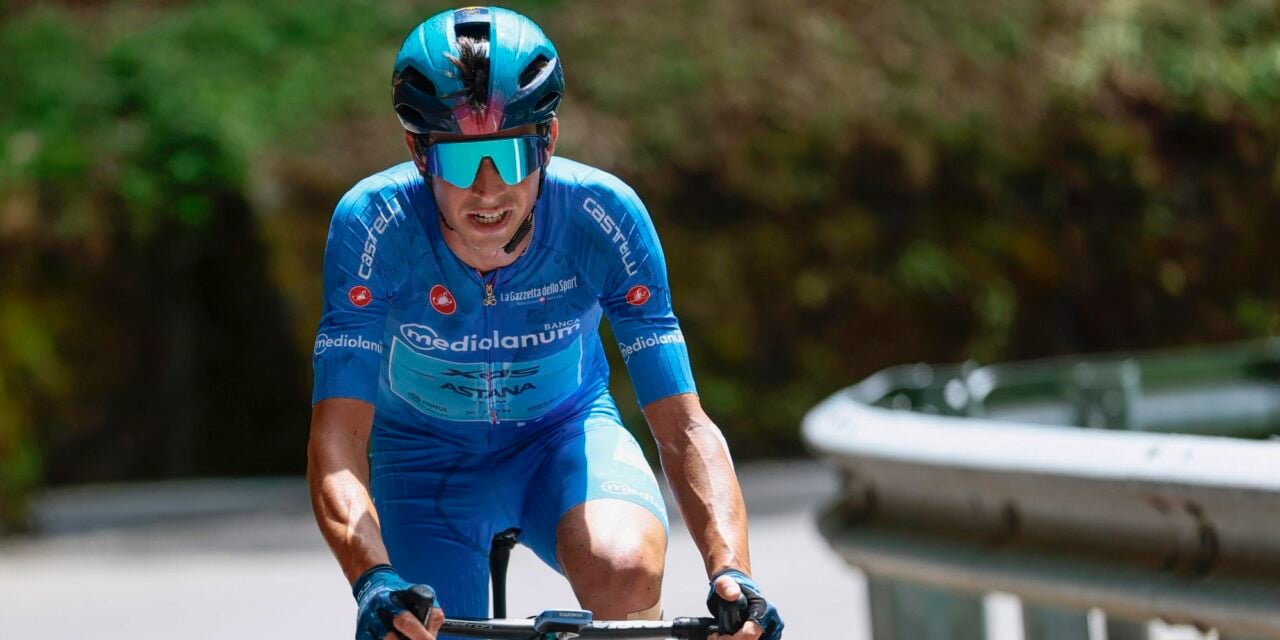
Lorenzo Fortunato also showed in the Burgos race that his form is on the rise. The 29-year-old Italian from XDS Astana finished second in the overall behind Isaac Del Toro, which says a lot about his climbing abilities. He had already demonstrated that earlier this season, as Fortunato was the fortunate winner of the mountain classification in the Giro. He also secured valuable UCI points for his team there. The Italian has proven he can climb in the previous Grand Tours he rode. He finished all six, four times placing within the top sixteen.
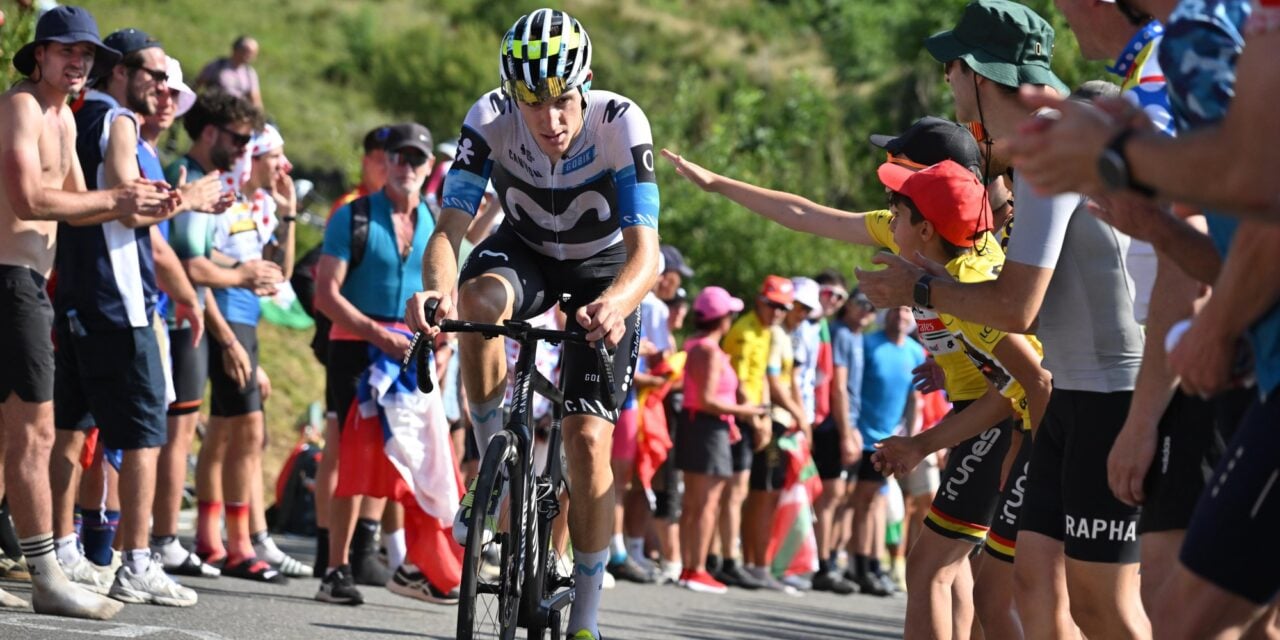
Movistar is heading to the Vuelta without a GC leader. Remarkable, as this might be the most important race of the year for Eusebio Unzué’s team. Their main climber in the selection is Pablo Castrillo, who was one of the revelations of the Vuelta last year while riding for Equipo Kern Pharma. The 24-year-old Spaniard won two mountain stages then. This year, he confirms his talent at WorldTour level. However, a top-5 in the general classification here is (so far) unlikely, so the polka dot jersey—especially after an invisible Tour—is a prime target.
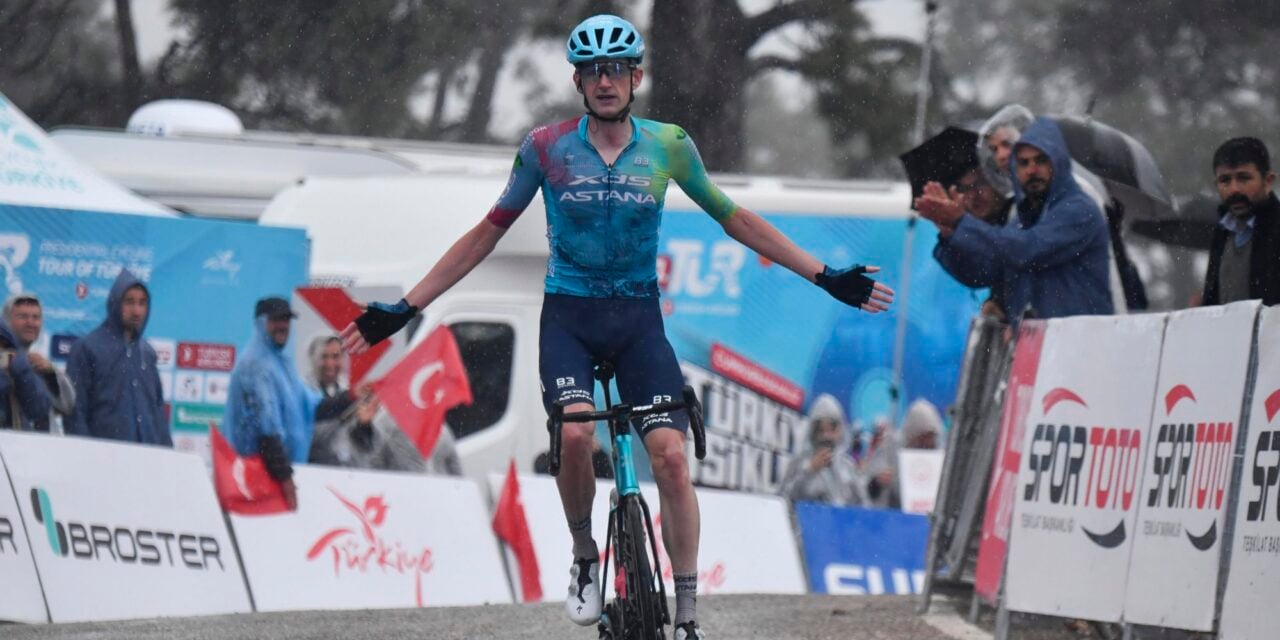
You can say the same about XDS Astana as about Movistar: they also have no rider who normally competes for general classification prizes. Yet they showed in the Giro that they can win a mountain classification. Besides Fortunato, Simone Velasco also finished second. In the Vuelta, that second trump card might be Wout Poels (or Harold Tejada, Harold Martín López or Sergio Higuita). The 37-year-old Dutchman will mainly go for stage victories. But if you do that a few times in the mountains, you naturally climb in this classification.
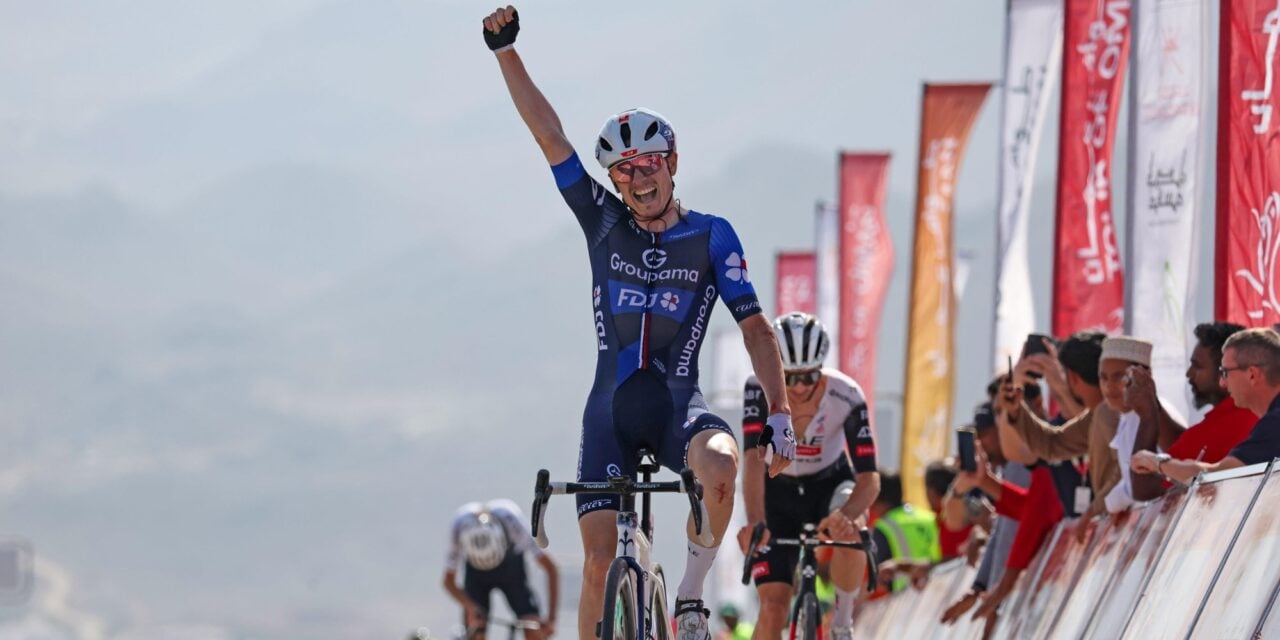
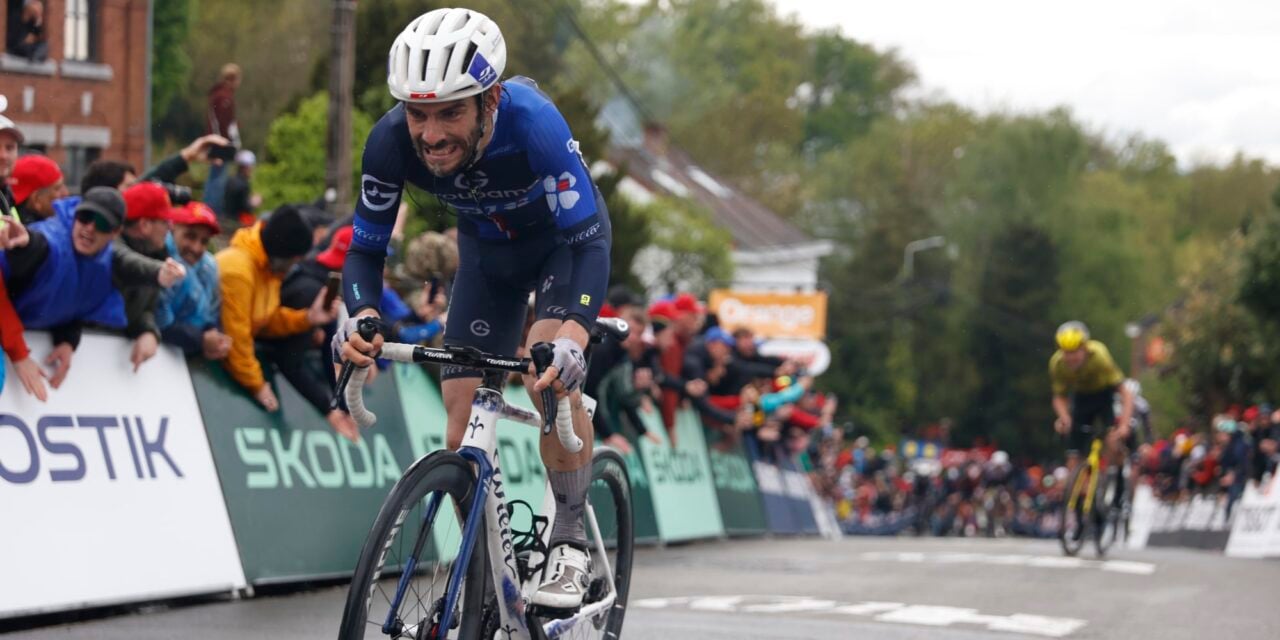
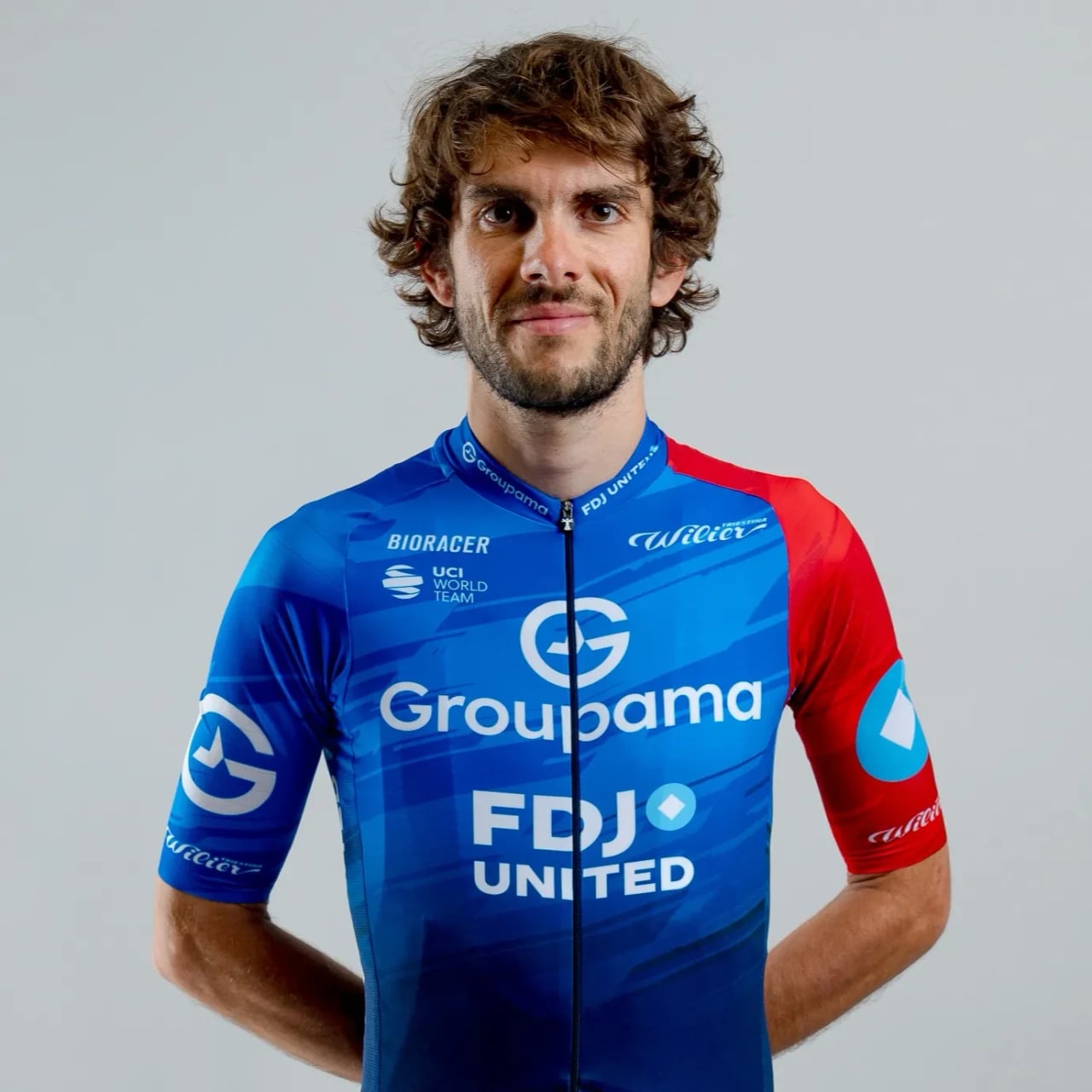
In form, David Gaudu is a rider who may aim for a top 10 spot in a Grand Tour. But that's where the problem lies for the 28-year-old Frenchman: the Groupama-FDJ leader has been hopelessly out of form all of 2025. However, that was also the case in 2020, but then he made up for it during the Spanish stage race. Gaudu won two stages and finished eighth overall. He also rode strong during this period last year, fighting his way to sixth place in the classification. With the qualities he has, he can go for the polka dot jersey.
There are few GC riders as consistent in Grand Tours as Guillaume Martin. The 32-year-old Frenchman starts his fourteenth Grand Tour in the Vuelta. Except for an abandonment in the 2022 Tour, he has finished all his Grand Tours inside the top 23 of the classification. Seven times that was a position between 11th and 16th, and three times just outside the top 10. Although less explosive than Gaudu, Martin’s teammate knows what the fight for the polka dot jersey demands from a rider. After all, Martin won the mountain classification in the 2020 edition.
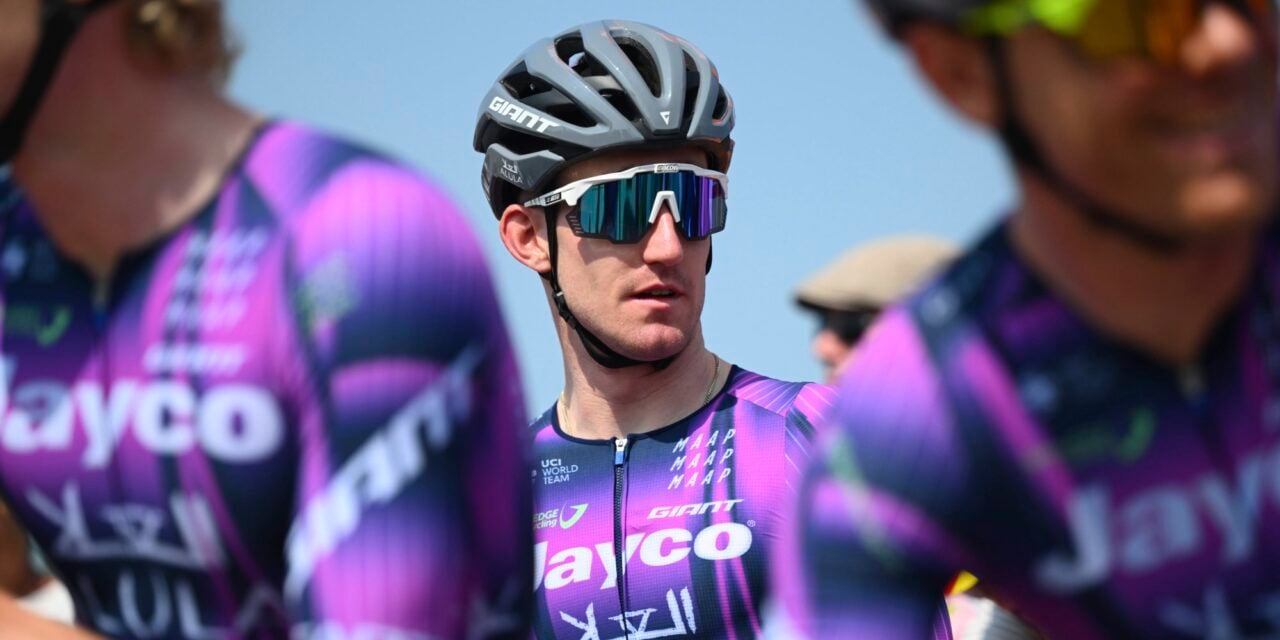
A few strong mountain teams are starting in this Vuelta. Jayco AlUla is one of them. They go with Ben O’Connor for a good GC. However, it remains to be seen how the Australian is after a tough Tour. It could well be that halfway through this Vuelta he has to shift focus to other goals. That could work in favor of Chris Harper and Eddie Dunbar. They will then likely get more freedom to chase their own chances. The small Irish climber already proved with two stage wins last year what he is capable of. Eddie raises Dunbar.
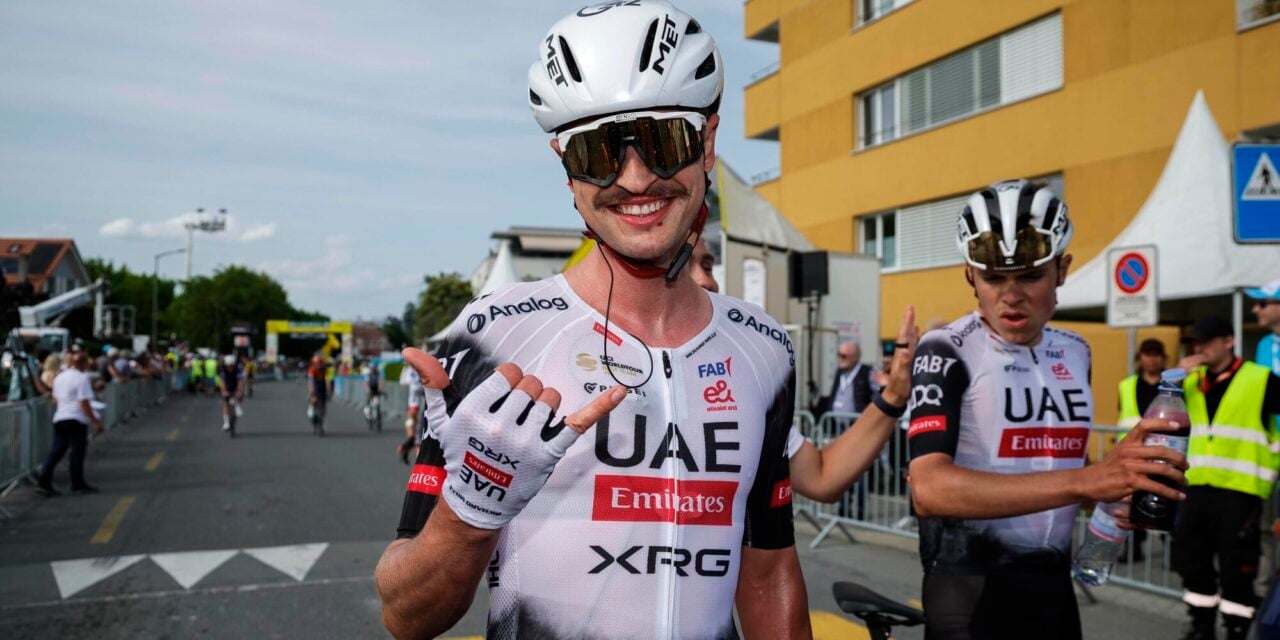
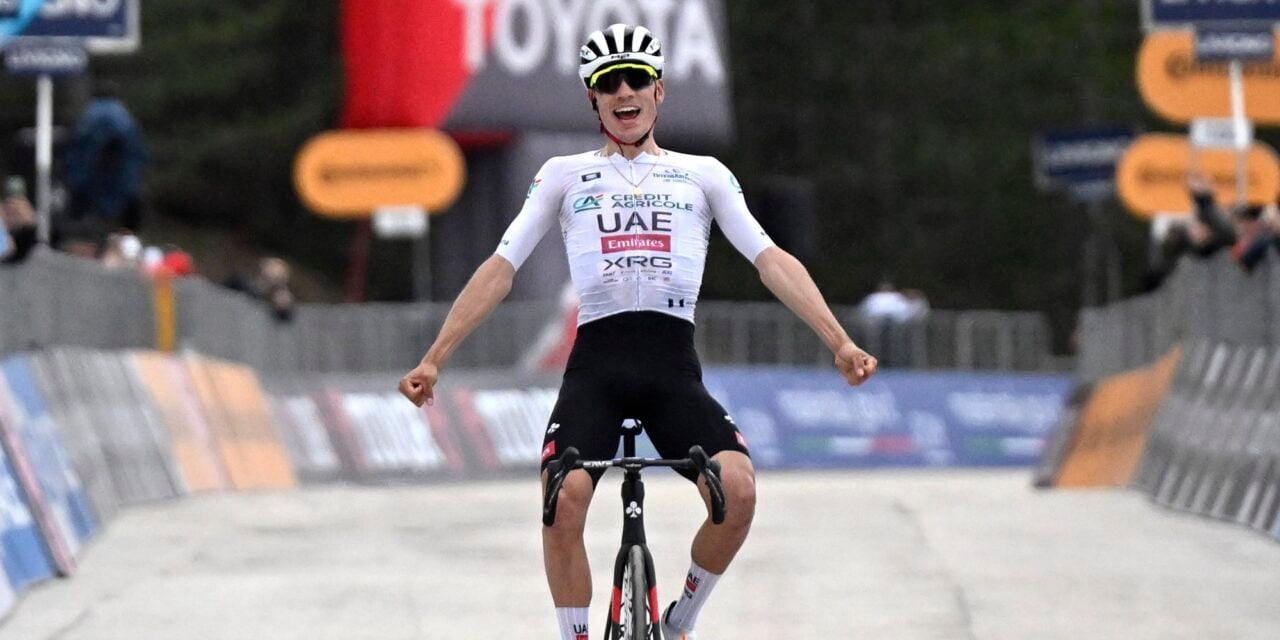
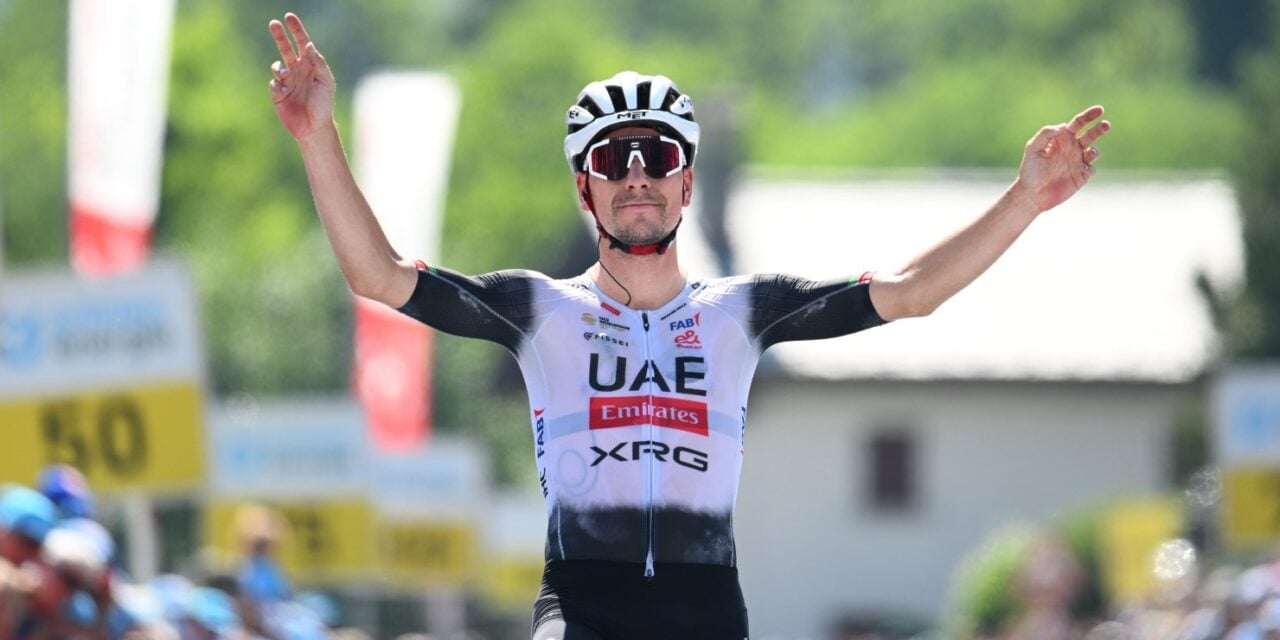
Alongside Martin, another former winner of this classification will start. In fact, Jay Vine is the defending champion. And if the 29-year-old Australian had not abandoned in stage eighteen in 2021, we would already be talking about a two-time winner. But why is the UAE Emirates rider starting so late? Simply put: last year (and also in 2021), he was free to target the polka dot jersey. This year, he mainly has to support João Almeida and Juan Ayuso in their fight against Jonas Vingegaard. Whether a battle for the polka dot jersey fits into that will become clear later in this Vuelta.
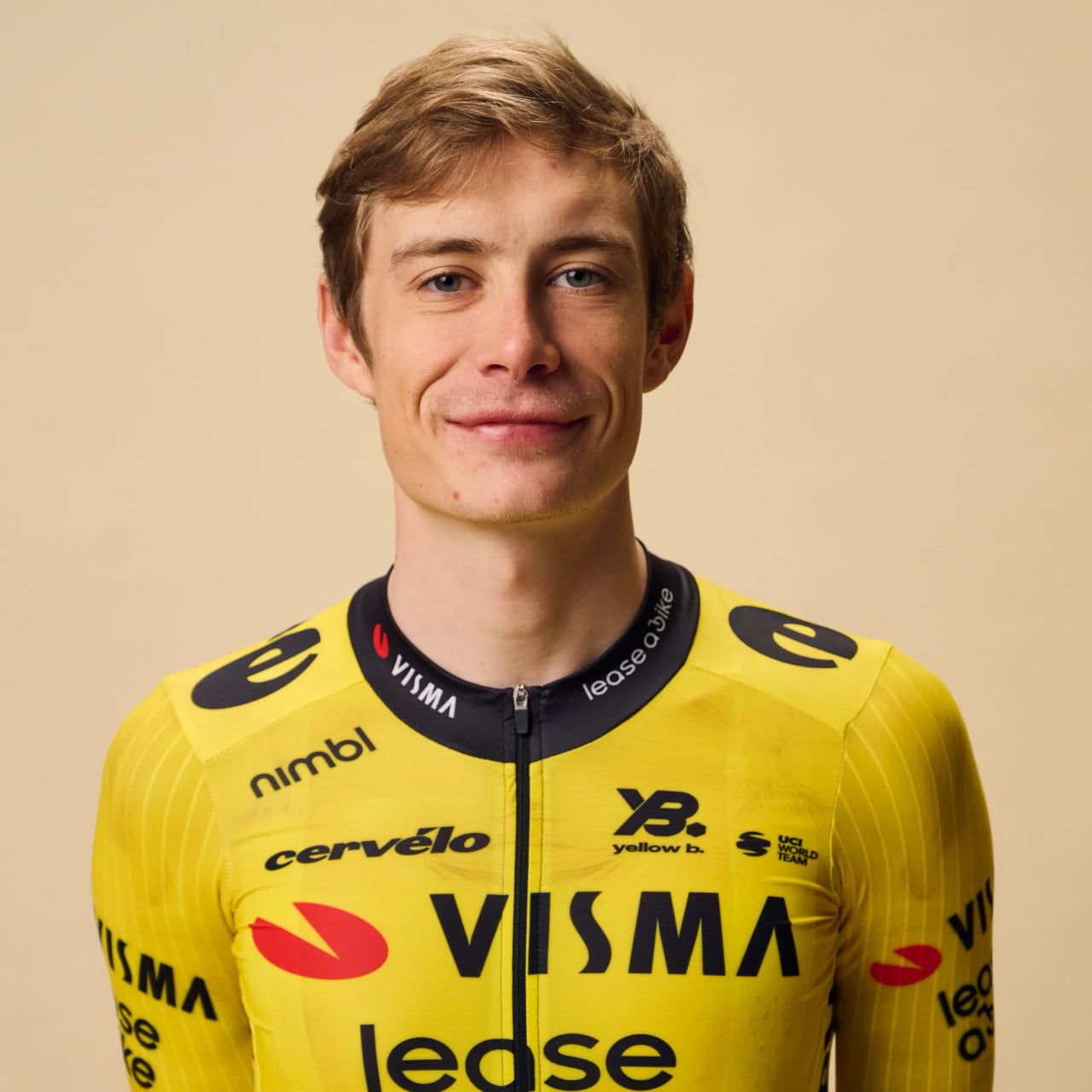
With the Portuguese, the young Spaniard, and the Dane, we come to the three most important contenders who, due to their qualities, will also be high up in the mountain classification. Vingegaard has already won the mountain classification in the Tour and has been on the podium four times there. In the Vuelta, he was second in the mountain classification fight in 2023. Ayuso gets the final star because he is more explosive than Almeida. Other GC riders who might compete for it include Felix Gall, O’Connor, Max Poole, Mikel Landa, Derek Gee, Santiago Buitrago, and Jai Hindley. For them, however, a GC is already lost.
Besides the already mentioned names in this preview, there is also a whole battery of outsiders who could win the mountain classification—especially due to the favorable points system. Think of Valentin Paret-Peintre, who won atop Mont Ventoux in the Tour. We also include Marc Soler, along with Eduardo Sepúlveda, Junior Lecerf, Marco Frigo, Louis Meintjes, Sergio Chumil, Fernando Barceló, and good old Esteban Chaves. In short: Ciccone is the overwhelming top favorite (good info for prediction games), but there are challengers on the horizon.