"We're stubborn and don't listen to the riders": why even French cyclocross won't take off
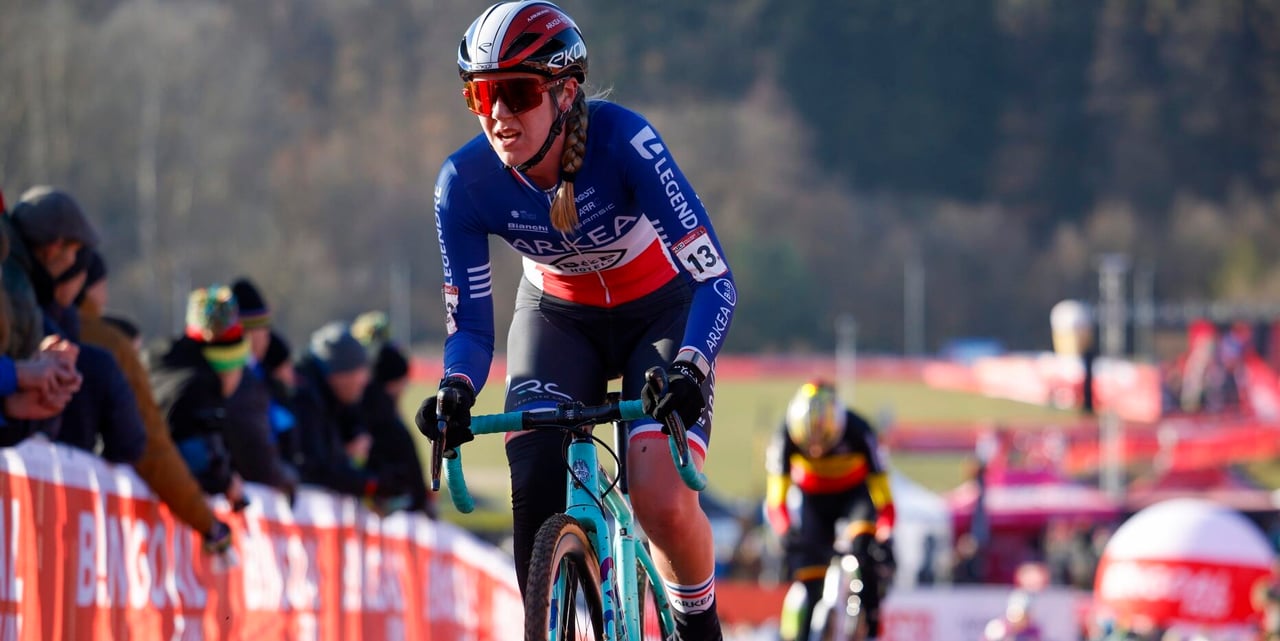
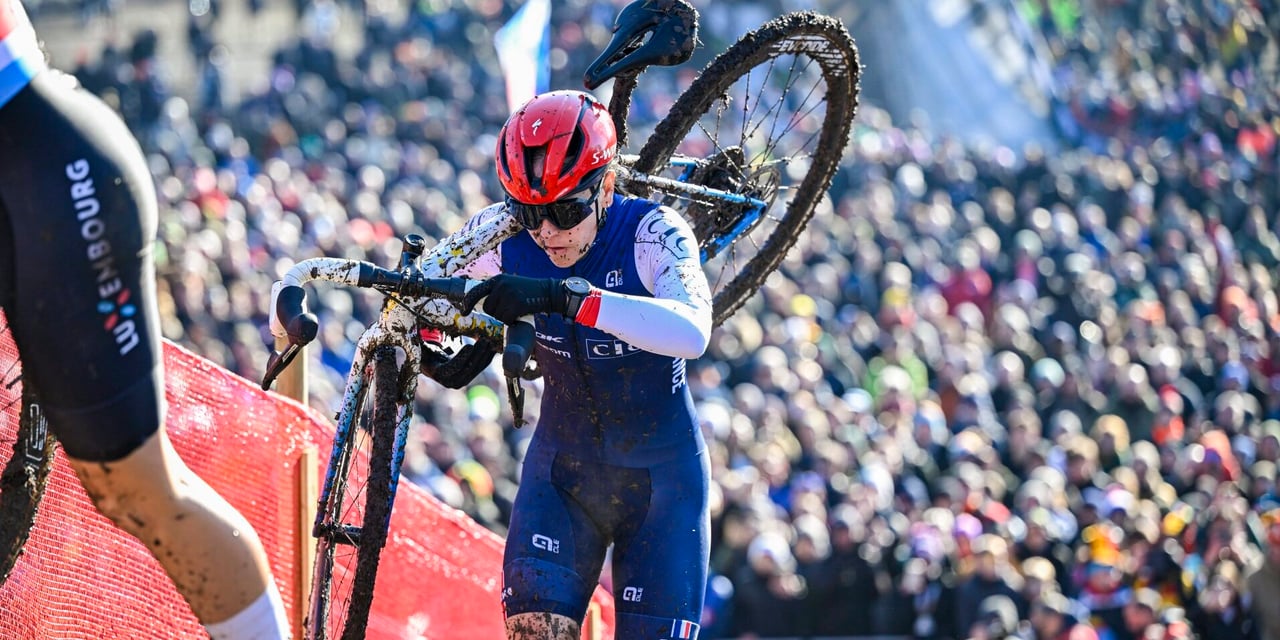
At the start of 2025, France still hosted the Cyclocross World Championships in Liévin, and this weekend the World Cup race follows in Flamanville. Yet, we haven’t seen a top French male cyclocross rider in a long time. Fortunately, there is more enthusiasm on the women’s side, but it’s a warning sign that both national champions, Amandine Fouquenet and Clément Venturini, have not found contracts for next year. How far has French cyclocross fallen? We asked former rider and Eurosport analyst Steve Chainel.
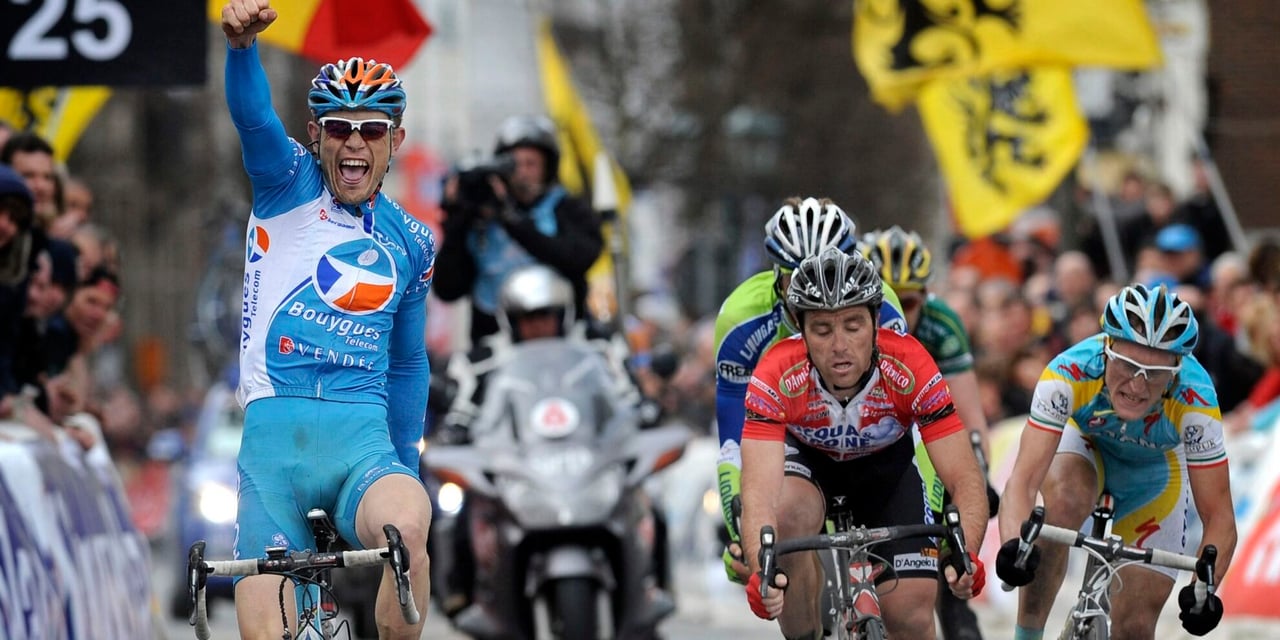
During his career, Chainel was the prime example of a rider determined to combine road racing and cyclocross. He sometimes went against his employer’s wishes, but it earned him a stage win in the Three Days of De Panne-Koksijde on the road and a French cyclocross title—which was no small feat in a generation dominated by the French cyclocross legend Francis Mourey.
But neither Mourey nor you have had successors, Steve!
“That’s something I’ve also had to acknowledge, yes. It’s not easy as a Frenchman to have to drive to Belgium every weekend. I lived in the Vosges, which is a four-hour drive and just about manageable. But if you live in Bordeaux or Brittany and have to make a seven-hour or longer trip every weekend, after two months you’re completely wiped out. The same goes for your mechanics and your motorhome. And just try to pay for all that fuel. It’s basically impossible.”
Still, many young French riders start cyclocross early. But just before turning pro, they all suddenly switch exclusively to road racing.
“I rode for all the French teams, and I can tell you the same motto applies everywhere: cyclocross is only a preparation for the road. You could be a huge cyclocross talent in juniors, but teams don’t really see it as a specialty. That’s why Arnaud Jouffroy, Julian Alaphilippe and Pauline Ferrand-Prévot never really had big cyclocross careers. Once you go pro, the teams say: stop! The same recently happened to Quentin Jauregy. He even finished third at the Under-23 World Championships but wasn’t allowed to do full-time cyclocross as a pro. Joshua Dubau switched to mountain biking instead.”
That must make your cyclocross heart weep?
“It does. Especially since it’s often not even the riders’ choice themselves. I regularly watch junior races where over 200 riders start. They all love cyclocross, and so do their parents. My son is 17 and completely obsessed with Wout van Aert, and Mathieu van der Poel is also a huge inspiration. But after the U23 period, you have to choose: earn money on the road with a big team, or keep racing cyclocross with a small club team.”
Isn’t that mindset a bit outdated, given many positive examples in recent years? The teams should see that, too?
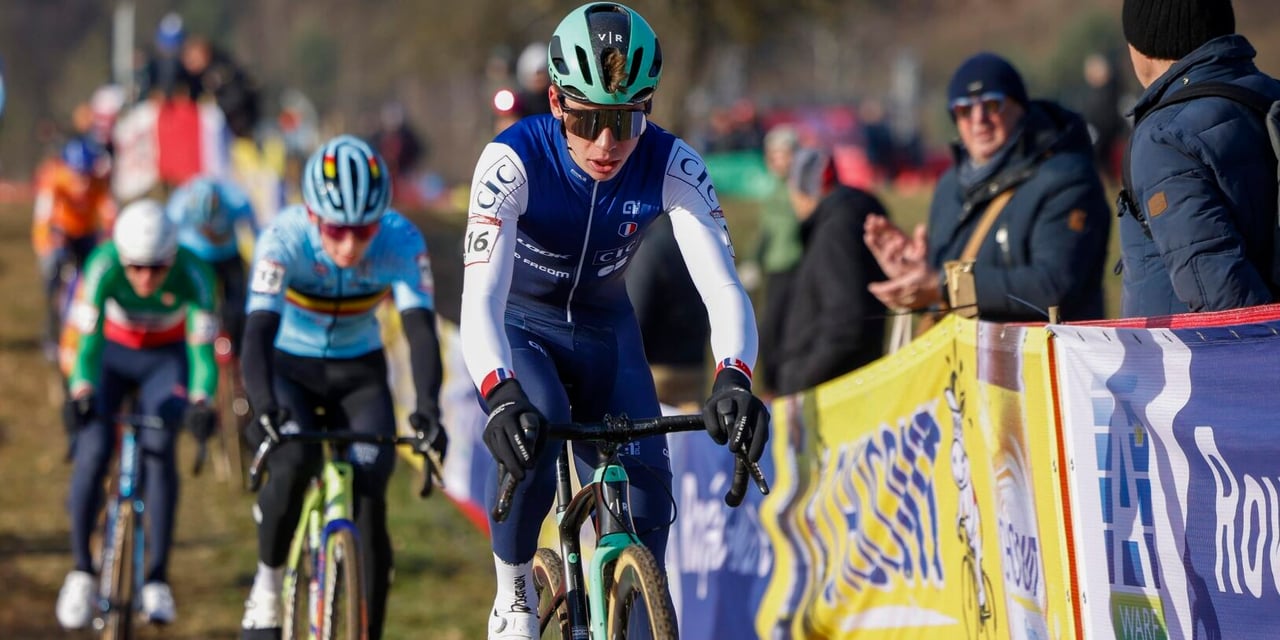
“At Decathlon CMA CMG, the tide is starting to turn a little, but again under the riders’ own initiative. Aubin Sparfel (19 years old) is currently the biggest cyclocross talent in France, and he’s been smart. He signed a solid contract with Decathlon that explicitly allows him to do cyclocross every winter. He’s a true fan of the sport and is thinking about the Olympics.”
On the other hand, you can see Léo Bisiaux and Paul Seixas saying goodbye to cyclocross at that team.
“I happened to be on a podcast with Léo this week. You’d think that as a former world champion he would still get opportunities in cyclocross, but when I asked him about that, he said that at Decathlon it’s only important that he develops into a top climber for general classifications. That might suit him best. But eventually they at Decathlon won’t be able to avoid it. They still have talents in their junior squad who want to excel in both disciplines. That should be possible, right? They’re based near the border in Lille and have a strong group with which they could gain visibility during winter.”
So where exactly is the problem with these teams?
“You have to understand that we don’t share the same culture. The French can be very stubborn sometimes. If something has always been done a certain way in the past, it’s very difficult to change that mindset. I nagged my team sports directors for years that cyclocross was important to me. That it helped me start the classics in good shape and stay focused during winter, but I never really got much support. You just can't motivate big teams to send people to Belgium every weekend with equipment. Of course, they want to spare their staff some in winter.”
Even though it’s proven to improve performance in the classics? Wout van Aert and Mathieu van der Poel have shown that well enough.
“That’s true. That’s definitely helping to slowly shift the mindset. In my time, you only had Lars Boom and Zdenek Stybar as examples; now there are more. Maybe I wasn’t talented enough to prove it myself (laughs). It’s just about finding the right balance, like Thibau Nys and Lucinda Brand do at Lidl-Trek. Célia Gery is getting a similar approach at FDJ-SUEZ, so the light is turning on there, too. Step by step, acceptance is growing that you can combine both.”
Seeing how difficult it was for Hélène Clauzel to find a team, and now with Venturini and Fouquenet, you’d think there’s a need for a French cyclocross team to facilitate this. You once tried to set up such a team yourself.
“That project is still costing me. In my opinion, it’s not possible today, for several reasons. One: which French sponsor would want to invest in visibility in Belgium? The biggest races take place in those countries. You really have to have a top rider on your roster, because you can’t convince a sponsor with a team that won’t compete for the top 5. Then you only appear at the start. Ideally, you find a sponsor genuinely interested in developing young riders and adding an elite or third division squad. Then you could build a nice project and grow together.”
“Then there’s point two: even if I did find such a sponsor, you’re required to offer the riders a work contract in France, on which you have to pay a lot of taxes. If I want to hire Amandine in my team and pay her €1,000, with taxes that costs €2,000. While Belgian teams just send an invoice of €1,000 and pay her that way. So you need double the budget in France.”
Is that why Clauzel ended up with the Roodhoofts?
“Of course. In my view, they do it perfectly. Their riders compete both on road and cyclocross, making them stronger in both disciplines. On Wednesdays, they organize a joint cyclocross training that pushes them to improve even more. Hélène will take big steps there, if only because you recover better when you can stay in Belgium.”
What will the new UCI rules and Olympic status change for French riders?
“Mainly that teams will listen more to the riders. Not only in cyclocross. Benjamin Thomas is probably the best track rider of the last ten years, but he has to fight to be allowed to race on the track by his team. And track cycling is already Olympic. But UCI points will definitely interest Cofidis. I hope the desire many French riders have to do cyclocross can come true. Maybe riders like Evita Muzic, who comes from cyclocross, will pick up their old passion again. And also future generations will find it easier to voice their wishes.”
What remains today of the French Coupe de France cyclocross series?
“It’s a nice series on its own, but it has the same problem as those Belgian races. The first round is held in Albi, the second 600 kilometers away in Brittany, another in Normandy in the sand. If you want to race all those cyclocross events, it costs as much as a cyclocross race in Belgium because of the long distances. And if you get a flat tire and don’t win prize money, you drive seven hours for nothing. It’s too expensive to participate in all of them.”
Will you use this weekend in Flamanville, as ambassador of French cyclocross, to remind some French sports directors of these issues?
“My son is racing, so I’m definitely focused on him. But of course I’ll do my best. I have long been pushing the French federation to establish a good cyclocross course in every department, like Sven Nys’s circuit in Baal. I even want to build one near my house. Riders could train there safely and off the road, pushing each other to become stronger. There is interest in that.”
“We should really copy Belgian cyclocross more. The World Cup is already broadcast live on Eurosport and L'Équipe TV in France, but maybe we could also get the Coupe de France live on TV. Then we follow the example of the Superprestige and X²O Trophy, sponsors gain more visibility, and interest grows. We’re not quite there yet, but in many ways we’re slowly moving in the right direction.”