Why Was It So Quiet Around Oier Lazkano? Doping Expert Explains
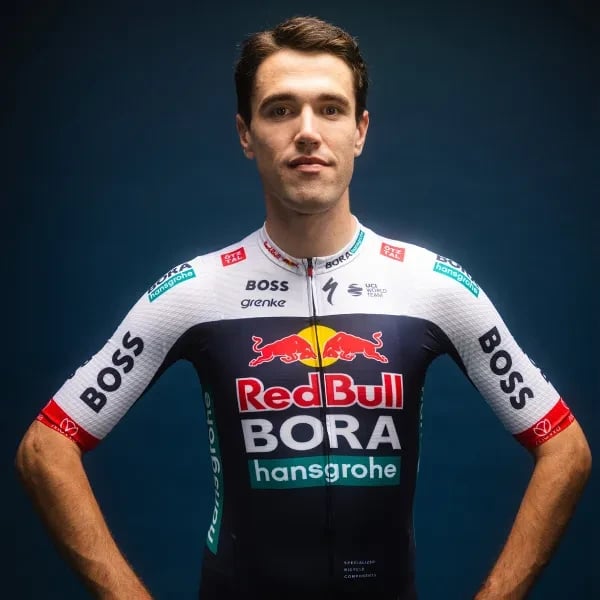
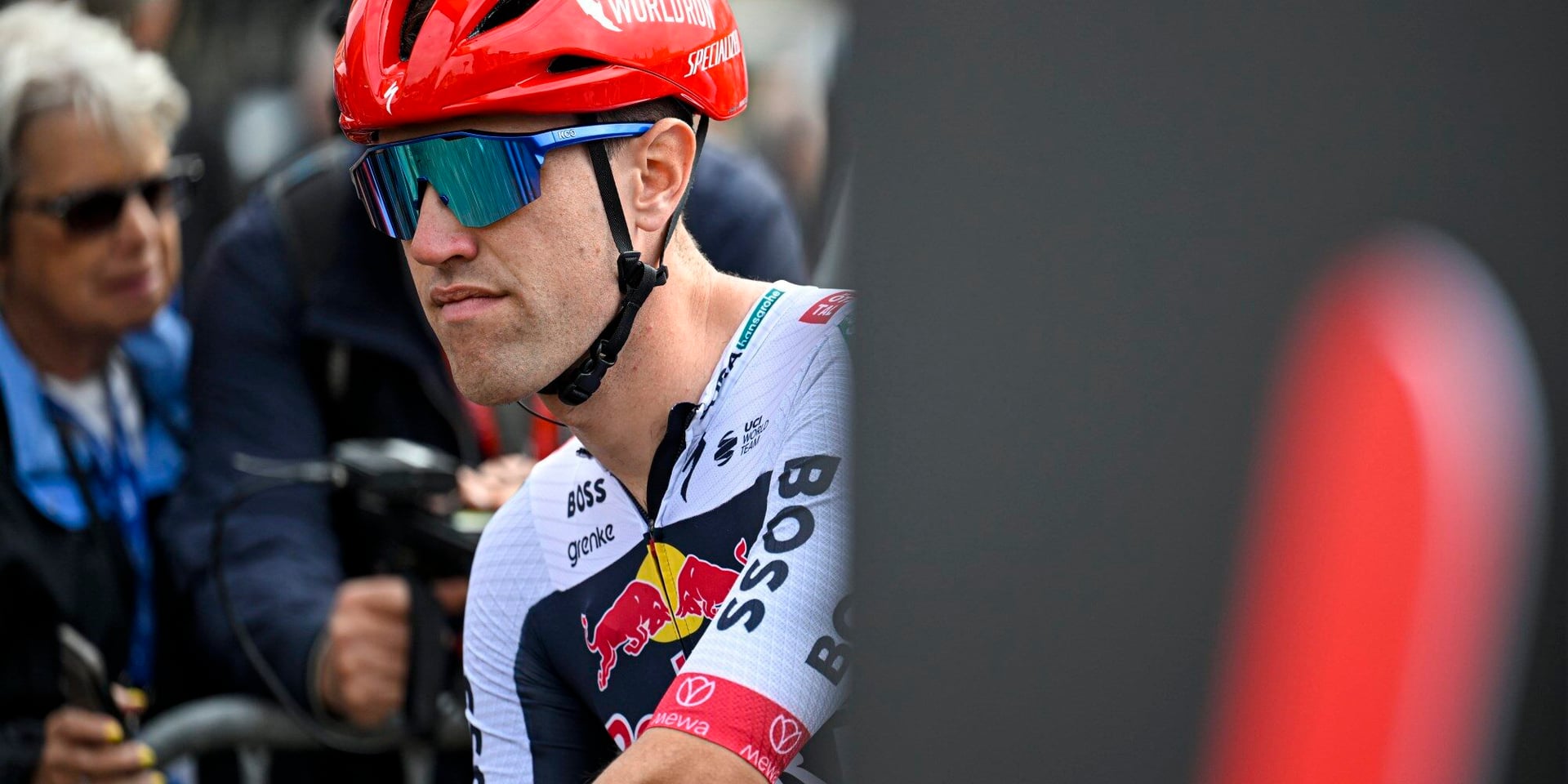
Oier Lazkano is currently suspended due to fluctuations in his biological passport between 2022 and 2024. Before the UCI’s statement on Thursday, there had been months of silence surrounding the Spaniard, who seemed to have vanished from the scene. How is that possible? In an interview with HLN, doping expert Peter Van Eenoo provides further explanation.
“The reason it has been so quiet around him in recent months may be because the process was fully underway,” says Van Eenoo. “It could be that after an initial evaluation by an expert, additional information was submitted by the athlete, which led the expert to consider several possibilities and not immediately conclude that doping was the only explanation.”
“You can only establish a pattern and rule things out after some time. Experts always assume the athlete’s innocence. Only when there is solid evidence do they take a position. So it can take a while before all explanations other than doping are excluded.”
‘All biological values fluctuate’
In Lazkano’s case, deviations were found in his biological passport, but before these fluctuations can be considered ‘suspicious’ a significant period must pass. “All biological values fluctuate, for everyone. When a fluctuation is too large - beyond what one would expect in a normal person - the passport is sent to an expert who examines the fluctuations and many other factors. For example: has the athlete been at a high-altitude training camp?”
“The expert then has to interpret. Is the excessive fluctuation due to a reason provided by the athlete, such as a high-altitude camp? Or is the fluctuation unexplained by the data available and thus potentially doping? If the expert ultimately concludes that doping is the only possible explanation, the passport is sent to two other experts. All work independently. If they all reach the same conclusion, the process is initiated.”
Van Eenoo finally discusses the role of Red Bull-BORA-hansgrohe. Could they have seen this coming? “Before teams offer riders a contract, they can measure or request blood values themselves and see how large the fluctuations are. I think many teams do this, but I don’t know if that was the case here. However, the biological passport is covered by GDPR legislation... Only the athlete themselves has access,” he concludes to Het Laatste Nieuws.