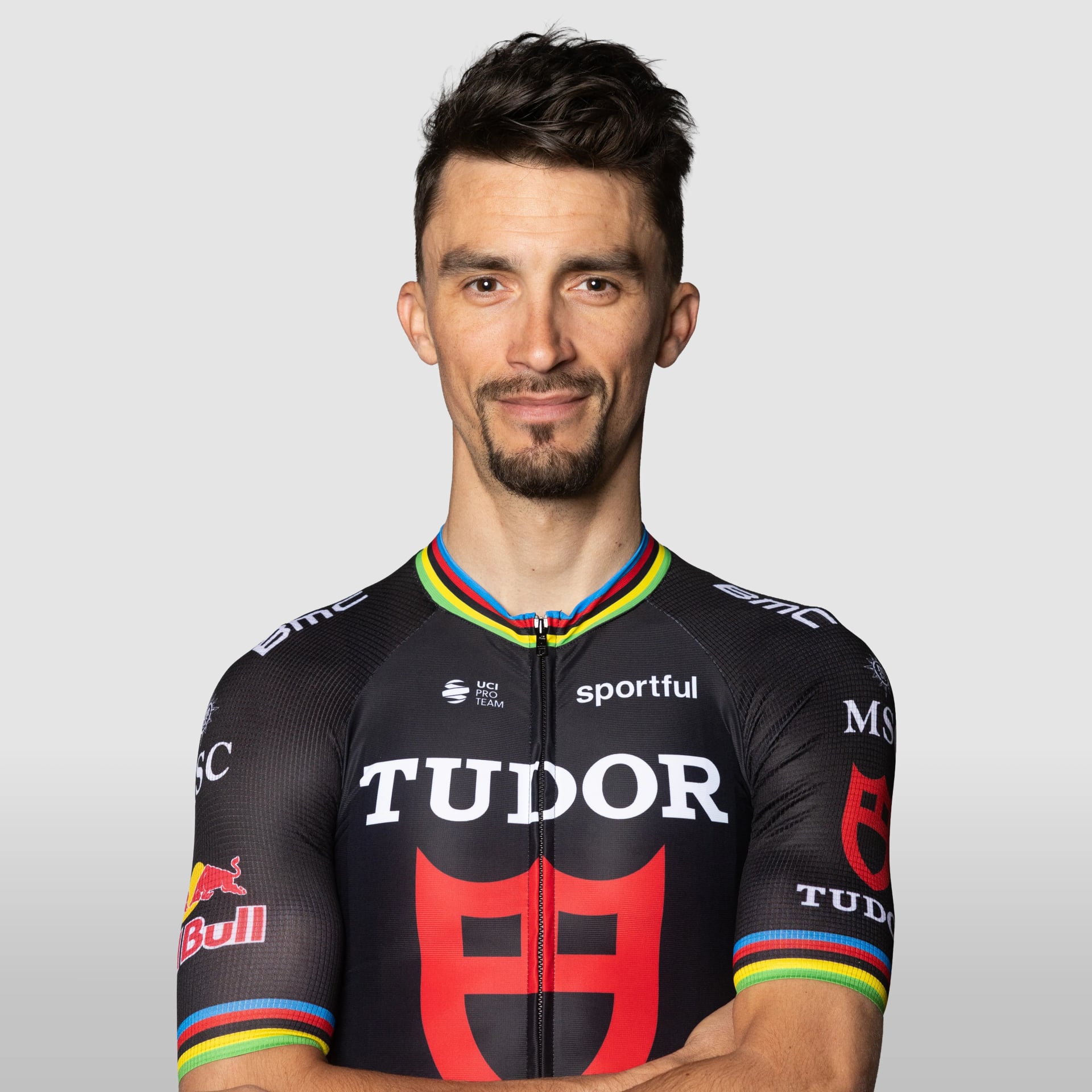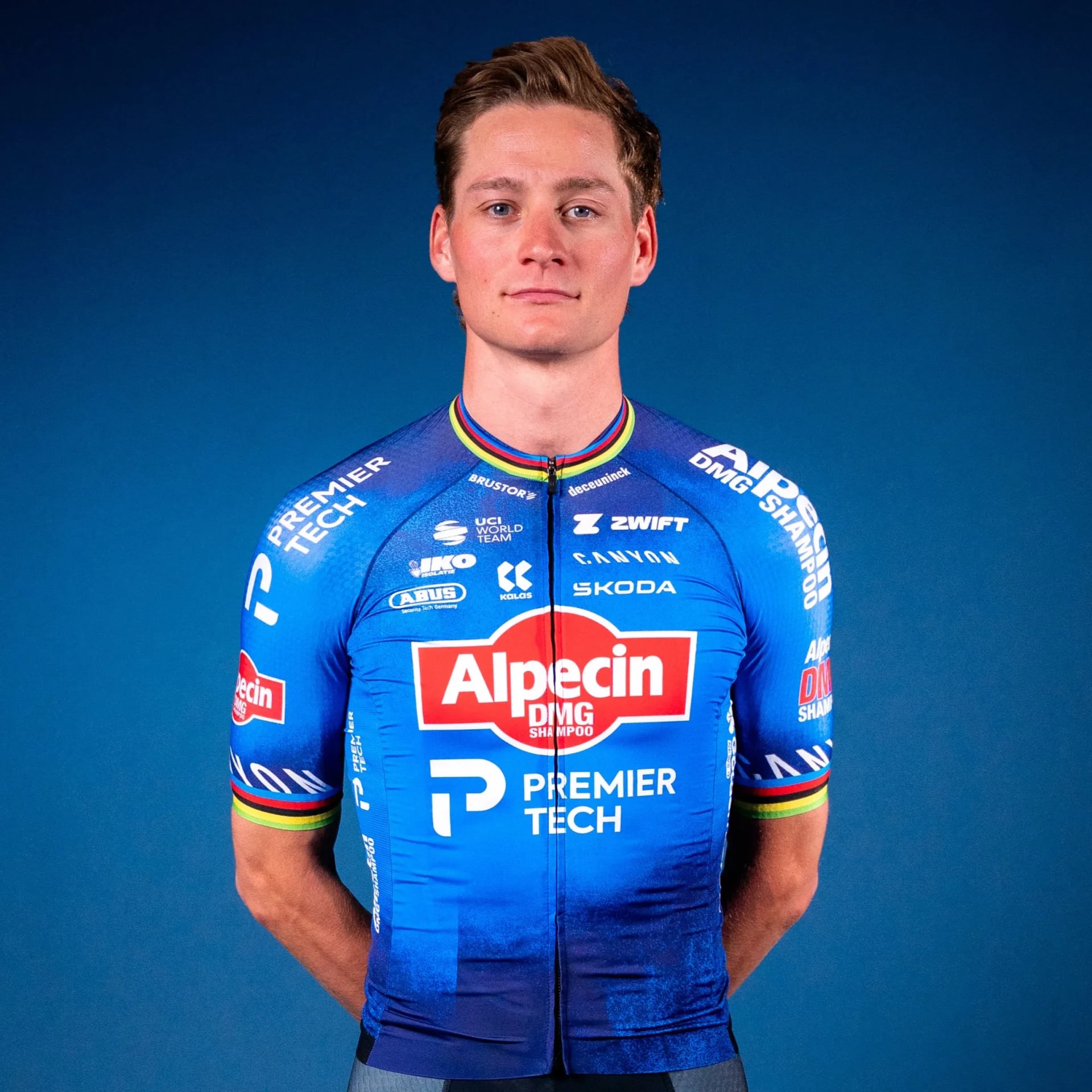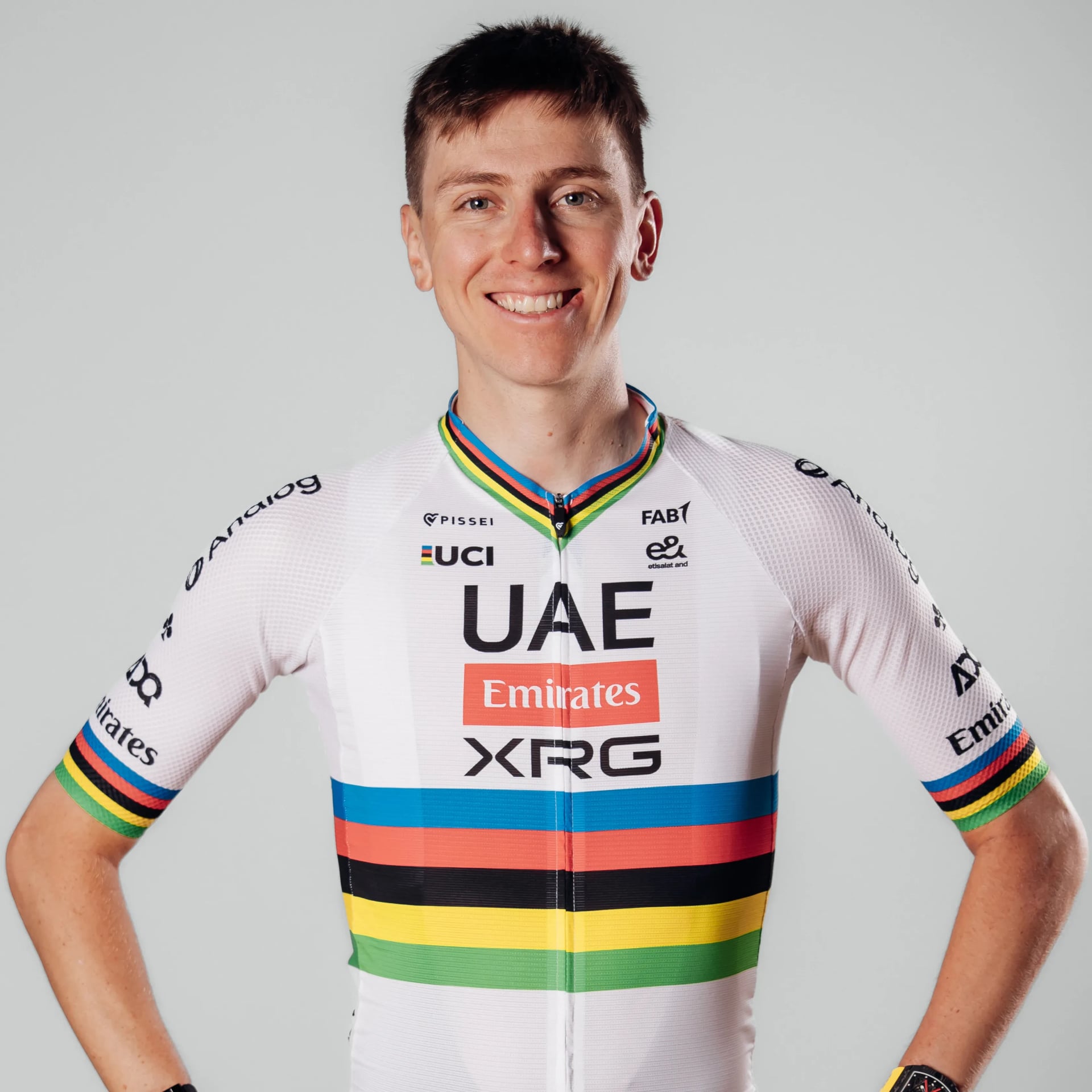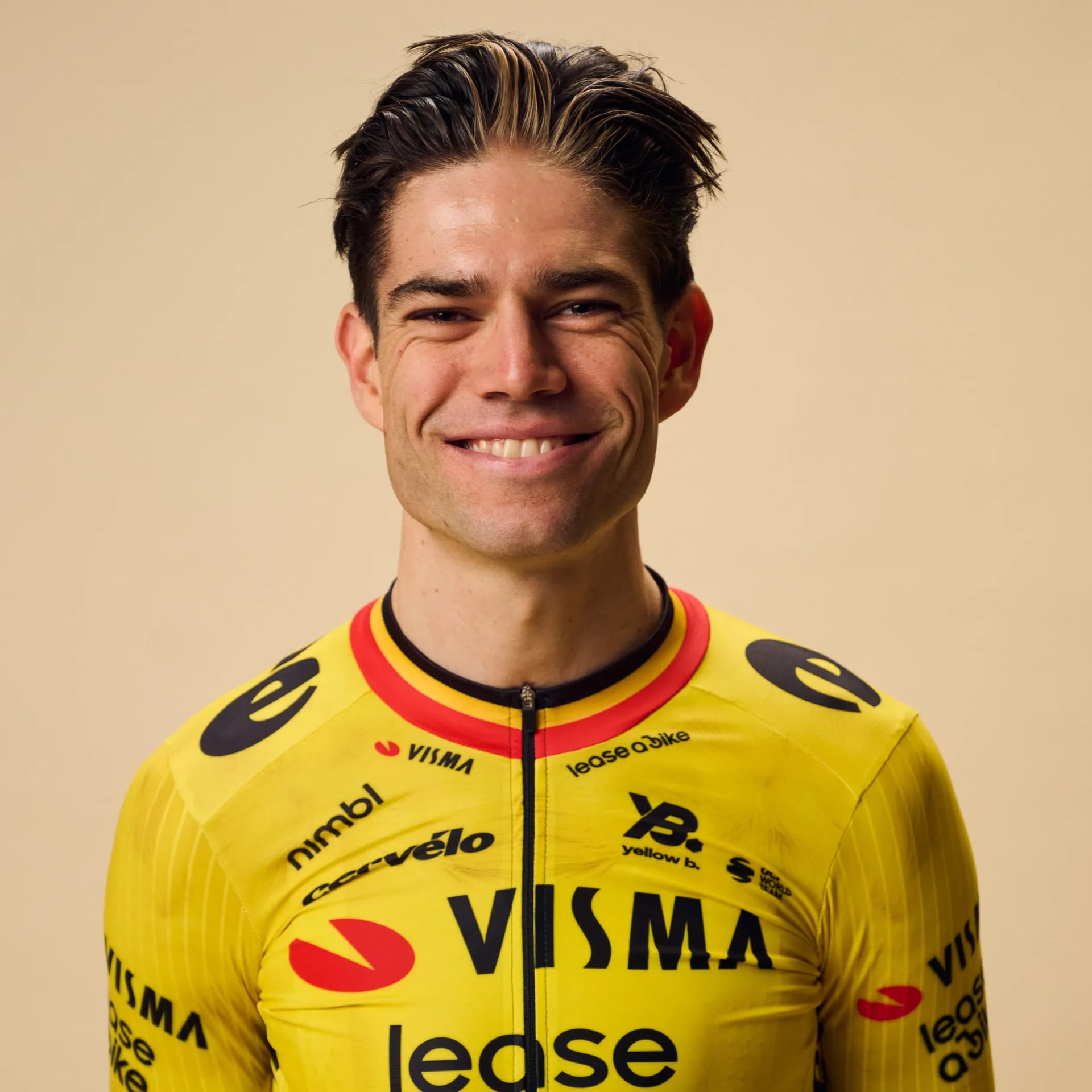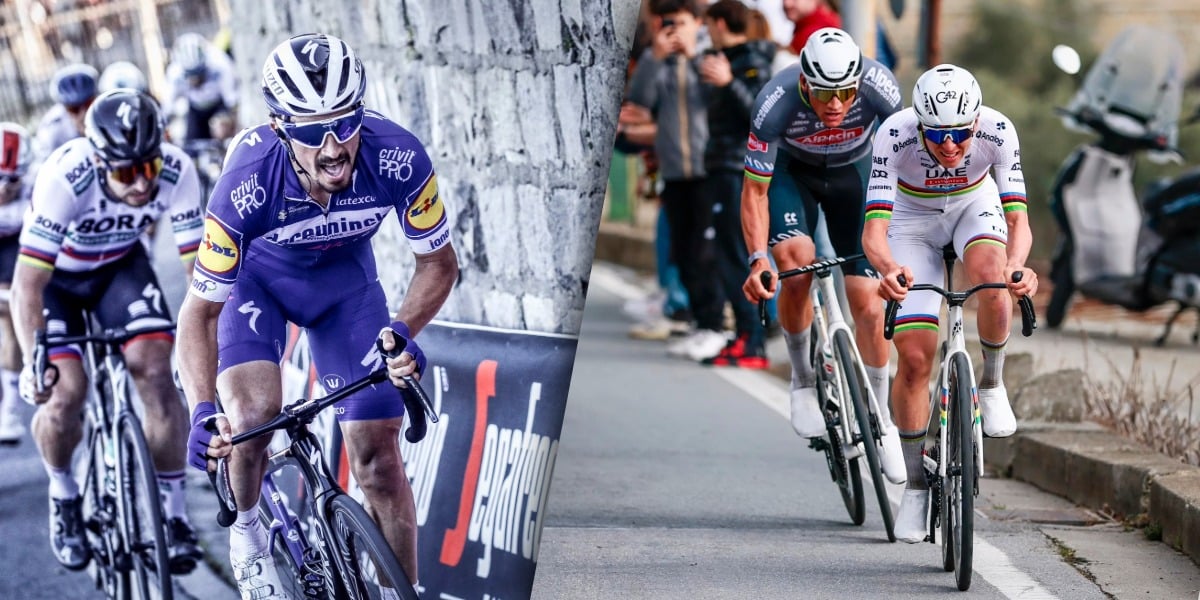
Not Mathieu van der Poel or Tadej Pogacar, but Julian Alaphilippe rewrites Milan-San Remo
There is much admiration for the way Mathieu van der Poel and Tadej Pogačar have reinvented the winning formula for Milan-San Remo in recent years. Yet many followers often overlook the rider who was the very first to be at the drawing board. It was Julian Alaphilippe who found a way to make the sprinters virtually powerless afterwards.
Before and even since the turn of the century, Milan-San Remo was known as a sprinters’ race. Top riders from the past rightly say: La Primavera is the easiest race to ride, but the hardest to win. However, in the last ten years there has been a definitive farewell to the image that the first Monument of the season is one for sprinters. Between 2000 and 2016 we still see ten editions decided by a 'bunch sprint.' Since 2017, not once.
The sprinters' race
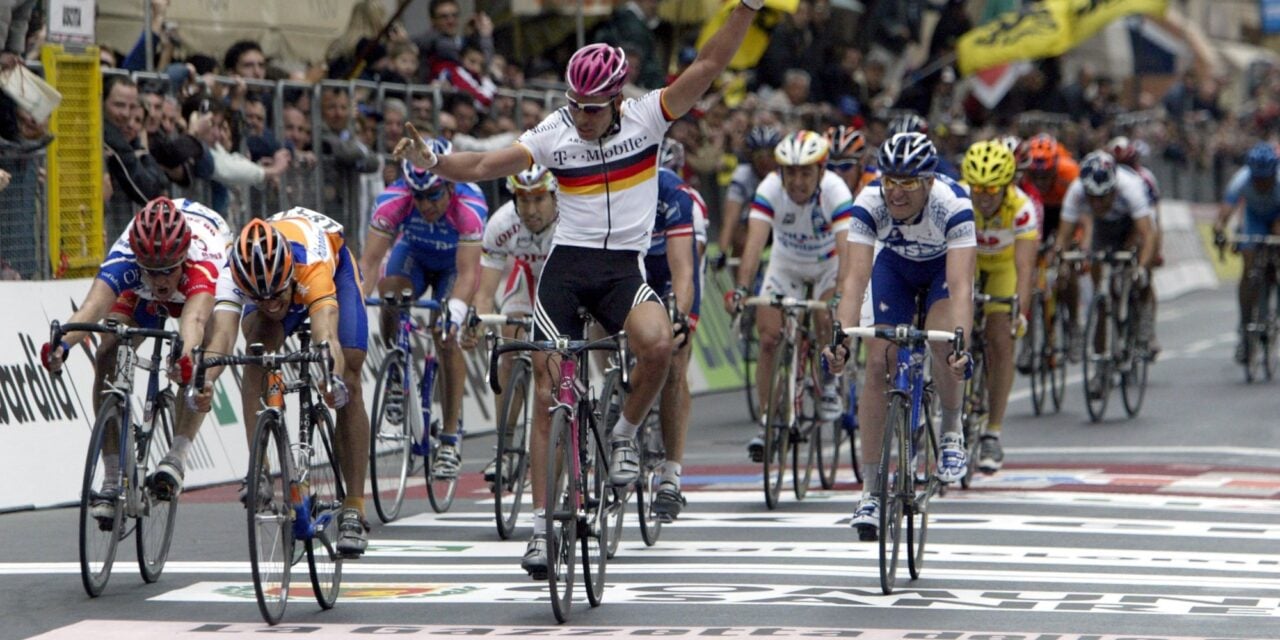
Before then, any outcome other than an enhanced bunch sprint was the exception to the rule. We only note 2003 (Paolo Bettini ahead of Mirko Celestino and Luca Paolini, teammate of Bettini), 2006 (a late attack by Filippo Pozzato), 2008 (Fabian Cancellara soloing from an elite group), 2011 (Matthew Goss from an elite group), 2012 (Simon Gerrans after a three-man sprint), and the icy 2013 edition (where Gerald Ciolek won to everyone's surprise).
In all other editions up to and including 2016, there was a bunch sprint of twenty riders or more. Although Peter Sagan had the absolute best qualities to win this race around 2015, the three-time world champion never did. He came closest in the 2017 edition. Yes, the first edition in which there was—now apparently forever—a farewell to the scenario in which sprinters can win Milan-San Remo.
Alaphilippe’s method
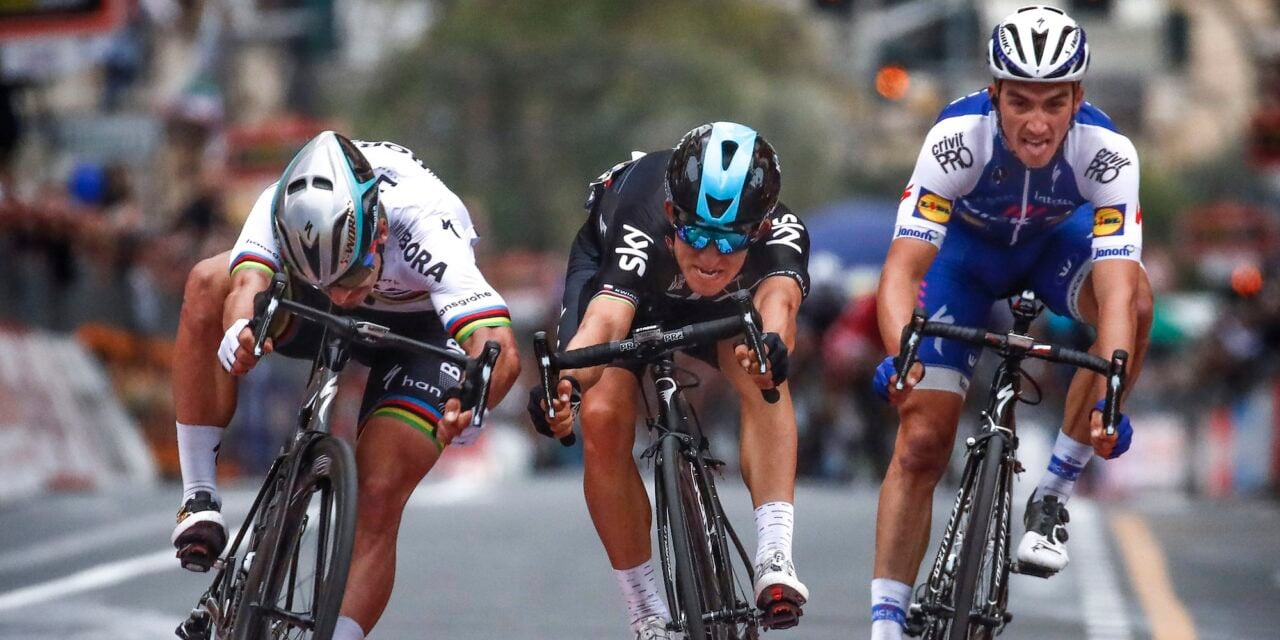
That day Team Sunweb made the race hard in support of Michael Matthews. Yet it was Sagan who stopped everything and everyone on the Poggio. Just before the summit, he was joined by Michał Kwiatkowski and the then 24-year-old debutant Julian Alaphilippe. The three rode through to the final straight on the Via Roma. There, it was not the reigning Slovak world champion—on paper far the fastest man—but the Polish classics specialist Kwiatkowski who won.
A year later, Alaphilippe participated again and saw Vincenzo Nibali slip away on the descent to the Poggio. The experienced Italian rode full throttle uphill, had a lead of barely a handful of seconds, and then threw himself down the descent—his specialty. The peloton, with a cursing Caleb Ewan at the front, just missed out. Italy was in ecstasy. And it was confirmation for Alaphilippe of what he had already seen at his debut a year earlier.
A searing attack on the Poggio can make the difference in modern-day cycling. It was the Frenchman who unleashed hell on the famous final climb in 2019. He got eleven men with him but defeated them all in the sprint on Via Roma. A year later, Alaphilippe perfected his effort, and then only one rider could follow: Wout van Aert. In a two-up sprint, the Jumbo-Visma leader narrowly beat the French puncheur.
Modern Era
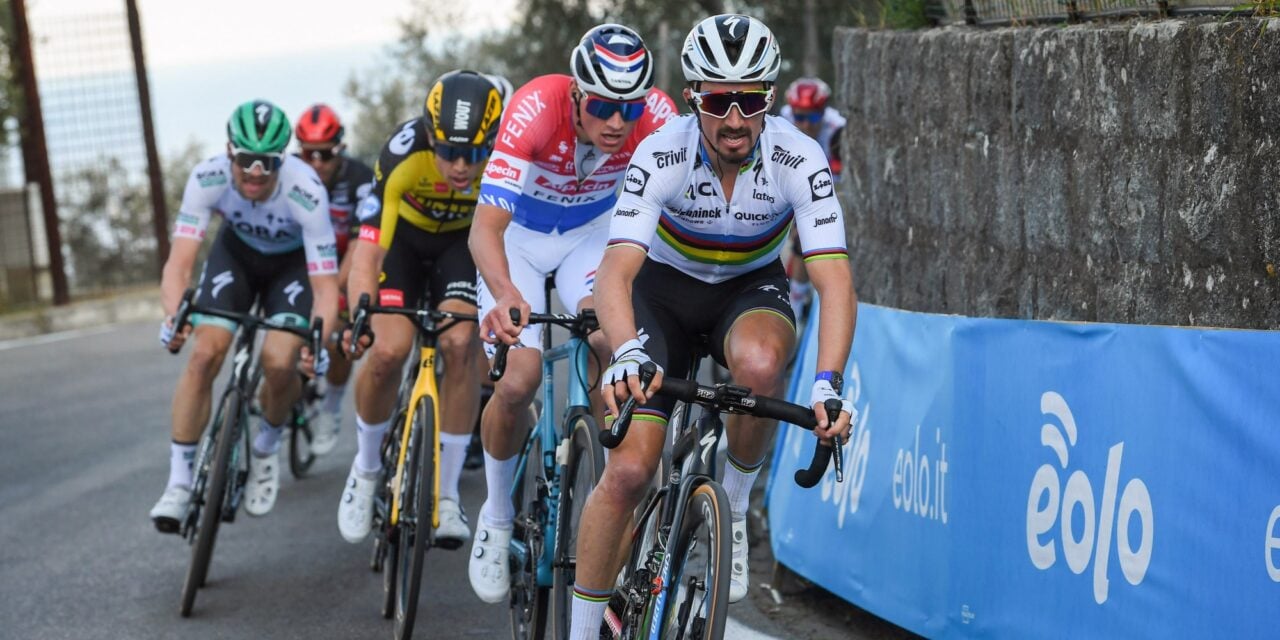
In 2021 it was again Alaphilippe—now world champion—who made the decisive acceleration on the Poggio. This time Van Aert and Mathieu van der Poel jumped on his wheel. In a moment of hesitation, Jasper Stuyven slipped away silently and won, partly thanks to the support of the later-arriving Søren Kragh Andersen. The Dane was the best on the Poggio a year later, but then he was accompanied by Van Aert, Van der Poel, and Tadej Pogačar.
Back then, the dropper post by Matej Mohorič was the story after a kamikaze attack. A well-timed victory for him, because afterwards Pogačar and Van der Poel took full control. The Dutchman won in 2023 and last year, while neutralizing the Slovenian in the intervening edition in favor of his faster teammate, Jasper Philipsen. He was the only sprinter to slip through the cracks in the last ten years. The law of creator Nibali, shaped by Alaphilippe.
2025: sprint with three (Mathieu van der Poel)
2024: sprint with twelve (Jasper Philipsen)
2023: solo (Mathieu van Der Poel)
2022: solo (Matej Mohorič)
2021: solo (Jasper Stuyven)
2020: sprint-a-deux (Wout van Aert)
2019: sprint with twelve (Julian Alaphilippe)
2018: solo (Vincenzo Nibali)
2017: sprint with three (Michał Kwiatkowski)
2016: bunch sprint (Arnaud Démare)
2015: bunch sprint (Alexander Kristoff)
2014: bunch sprint (John Degenkolb)
2013: sprint with seven (Gerald Ciolek)
2012: sprint with three (Simon Gerrans)
2011: sprint with ten (Matthew Goss)
2010: bunch sprint (Óscar Freire)
2009: bunch sprint (Mark Cavendish)
2008: solo