Three reasons why the Unibet Rose Rockets now shine at the highest level
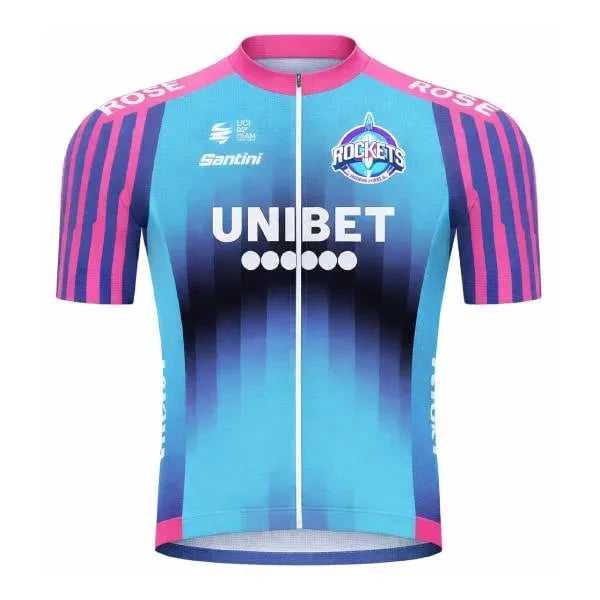
If anyone still doubted Bas Tietema’s Unibet Rose Rockets project, those opinions can be tossed aside after the Tour of Bruges. After years of progress in the lower tiers of cycling, the riders in the blue-pink jerseys are now competing at WorldTour level. Fast man Dylan Groenewegen beat Jasper Philipsen in a fair sprint, and with that, the circle was suddenly complete. Afterwards, we spoke with some key figures.
1. Staying true to the roots
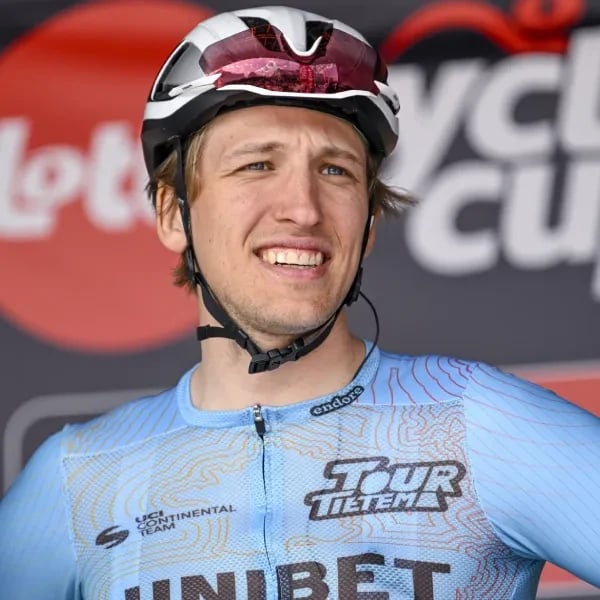
The story of Tietema’s team is now well known to anyone following cycling. In 2019, former BMC talent Tietema, Josse Wester, and Devin van der Wiel launched a YouTube channel where they approached cycling in a refreshing and entertaining way. In 2023, this evolved into a continental cycling team, and they are now in their third year as a ProTeam. But no matter how professional the team has become, the three founders were still standing at the sidelines in Bruges.
Tietema: "Other people on the team are responsible for the real success, but with these steps we show that you can also enter cycling through a different path. We did it from the media landscape, a fairly unorthodox way. But you can still reach the highest level this way. We’re even releasing a YouTube video about the Tour of Bruges today. I hope that can inspire others. It shows that you can make a lot of progress in this sport if you throw yourself into it wholeheartedly."
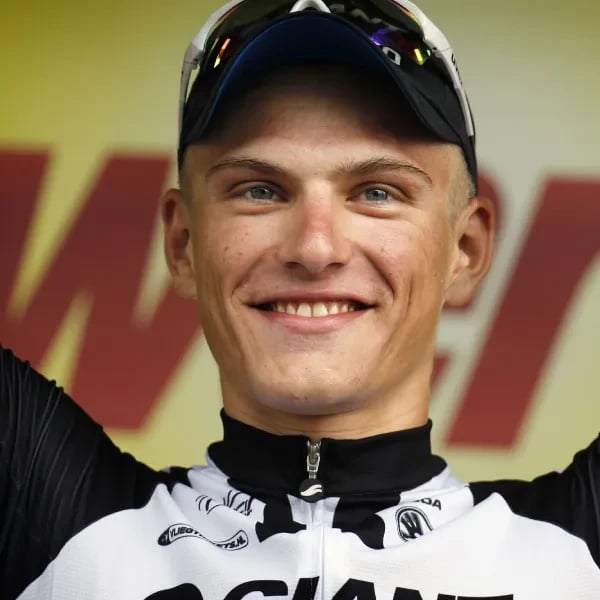
This gives the team a kind of likability factor that charmed, for example, the German legend Marcel Kittel. He became the new sprint coach for the team. "They started as a YouTube team. But you still feel that they have a very different atmosphere and vibe than an average pro team," he explains. "They approach things differently than their competitors, and apparently it works. They’re doing very well."
2. A clear focus on the sprint
Sport-wise, the biggest step came last winter. Tietema himself disappeared from the team name in favor of the German bike brand Rose, which replaced their Cannondale bikes. With that extra budget, the owners signed no less than fifteen new riders, and also reconsidered staff and equipment choices. Every euro that came in was spent very smartly.
Following the example of Alpecin-Deceuninck, which focuses on one cycling segment — the cobbled classics and sprints with Mathieu van der Poel and Jasper Philipsen — the Rockets targeted sprint races. "We’re not a team with the budgets of the biggest WorldTeams, so we have to make choices and be creative. Signing Dylan was a huge step for us investment-wise. But if you bring in someone like him, you also have to be able to support him properly," Tietema explains.
The project with German sprint coach Marcel Kittel, team director Martijn Budding, regular Jayco AlUla lead-out Elmar Reinders, and a whole train of support convinced Groenewegen. "But also the fact that the tires, bikes, and wheels are well-matched," Groenewegen says. "That’s something I specifically asked for from my new team. Here they were able to make that possible, and now it’s paying off."
Signing Groenewegen proved a crucial move that set off a domino effect. "We now ride all the big spring races, we will ride our first Grand Tour at the Giro d’Italia. There are still some doors we’d like to open, like the Tour de France (which they previously named as their main goal, ed.). We’re already riding almost a full WorldTour calendar and there are still differences, but I don’t think the riders notice that," Tietema concludes.
23-year-old Wessel Mouris also senses a different status in the peloton thanks to Groenewegen. "Last year you were pushed aside even faster. I feel that’s much less the case now. Here in Bruges, maybe three guys come from continental level, but we don’t back down to the big teams. Because of the confidence Dylan often delivers, they just want to do really well too."
3. Unique team spirit
It’s a cliché, but ask any team that ever achieved results—from HTC Columbia to the Wolfpack aka Soudal Quick-Step and UAE Emirates XRG: you create a winning culture through a positive atmosphere. The humorous side of the videos and Tietema’s ever-present smile help with that, of course. Few teams seem as close-knit as the Rockets, also a team name that leads to connection.
"We work with a very young group, which sometimes involves trial and error," Tietema explains. "We try to be as present as possible at races and support our riders. But we also know that if we want to be competitive, even in that atmosphere we have to keep focusing on details in nutrition, equipment, and playing even better as a team. We will keep pushing that further, but big wins like in Bruges naturally help tremendously in maintaining the vibe."
Team spirit also turns out to be a passion for Kittel during our conversation, who knows from his own years as a top sprinter that you need to build a close-knit group to get results. That might be his biggest contribution yet. Groenewegen agrees: "The mix between the young guys and some experience works well. I notice it was the right choice to come to the Rockets. We found a good match. One we can build on in the coming years."