Cyclocross Teams Fear and Understand Paywall: "Our Business Model Just Doesn't Work
There is understanding and respect among the top cyclocross teams for Telenet and Proximus regarding the decision to put half of the classification races in Belgium behind a paywall, but also a bit of concern.
After the telecom operators announced their decision, a flood of outraged reactions followed. Not only in the comment section on our own website, but also at the cyclocross courses last weekend, we heard confusion and worries from various stakeholders in the cyclocross world.
Little response
The biggest fear among some fans is not only about their own wallets, but also about the future of cyclocross. Will cyclocross be 'marginalized' if there is less visibility to the general public? And if this continues longer: will sponsors become less willing to invest in a cyclocross team, and will kids be less easily inspired if it becomes harder to watch their heroes compete live on TV?
We already spoke with Telenet about the matter earlier this week, but that did not allay the fears. It’s high time to hear from some sponsors, but the title sponsors of the major events were reluctant to comment.
This situation has arisen suddenly and unexpectedly, and it apparently strikes a nerve. From Crelan, a company with a long-standing tradition in cyclocross as a sponsor of Sven Nys and later the Crelan-Corendon team, for example, comes the comment that they "find other parties better placed to respond."
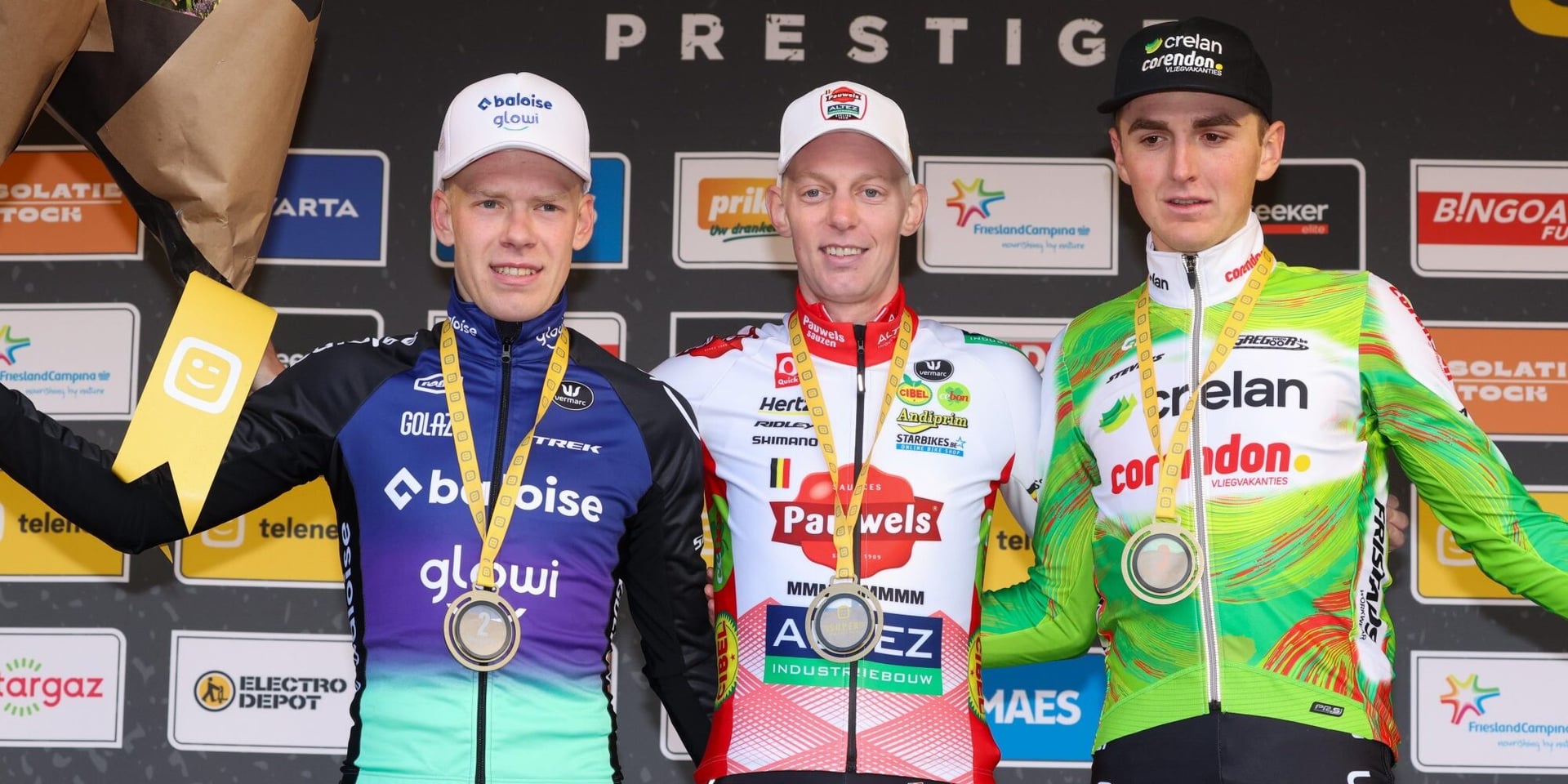
"I haven’t discussed this extensively with my sponsors yet," says Jurgen Mettepenningen, team manager of Pauwels Sauzen-Altez Industriebouw — the Belgian cyclocross team that, thanks to Michael Vanthourenhout, won both the Superprestige races in Ruddervoorde and Overijse. "As a team, we actually have no say in this. It’s not like the broadcasters engage us in conversations about it. Of course, we would prefer all the races to be broadcast on free-to-air TV, but apparently that’s difficult."
Mettepenningen had a premonition about this. "It’s kind of typical for this time. I think they are trying to follow the football trend, where almost nothing is shown on free-to-air TV anymore. We will have to adapt gradually. For now, it’s clear to us that pay TV is not good. It really hurts the accessibility of the sport."
At Sven Nys’s camp, team boss at Baloise Glowi Lions, a similar story is told. "It’s of course not entirely new. In recent years some races were already behind the paywall; now there are a few more. We shouldn’t dramatize this. Some years will have more races behind a paywall than others. And there are still plenty of races that can be followed for free."
"Our luck is that VRT still broadcasts a summary after every race," says Mettepenningen. "In the end, the story is still limited so far. More than half of the races are still covered by Sporza."
Also some understanding
Nys thinks he knows why the Superprestige and World Cup races are the ones going behind the paywall. "That partly has to do with sponsors associated with certain classifications who broadcast the races," he refers to Telenet, which is the main sponsor of the Superprestige and World Cup. "Ideally, everyone would watch everything for free, but everyone wants to get their share. That includes the broadcasters and media supporting the sport."
Both team managers stress, despite the difficulty for their own cyclocross teams, that they respect the tough decision made by Telenet and Proximus. "I understand it to some extent," says Mettepenningen. "Producing those races costs a lot of money. They also simply have to break even. So definitely no bad words about the people at Telenet. Their broadcasts are top-notch and they do their utmost for cyclocross. But from our perspective, it would be better if everything was freely accessible."
Nys: "As cycling fans, we haven’t been used to this. And those who’ve been spoiled don’t like to make concessions. I also don’t want to forget that Telenet and Proximus have to invest a big budget to be allowed to broadcast and produce those races. I understand that, but we will always have more viewers if it’s free than if people have to pay."
Revenue to teams?
What would be a good compromise for the teams, according to Nys, is that TV money should also go to the teams. "I’ve said this for a long time, and it applies to the whole cycling sport in general. Our business model is totally off. We’re completely dependent on sponsors. Meanwhile, the main protagonists create fantastic battles. They don’t get a cut of that."
"That’s our big problem. It would be a blessing if we could share in that revenue as well. It could give the sport an enormous boost, for the teams in particular and generally as well. But unfortunately, that’s not possible today," concludes the team boss.