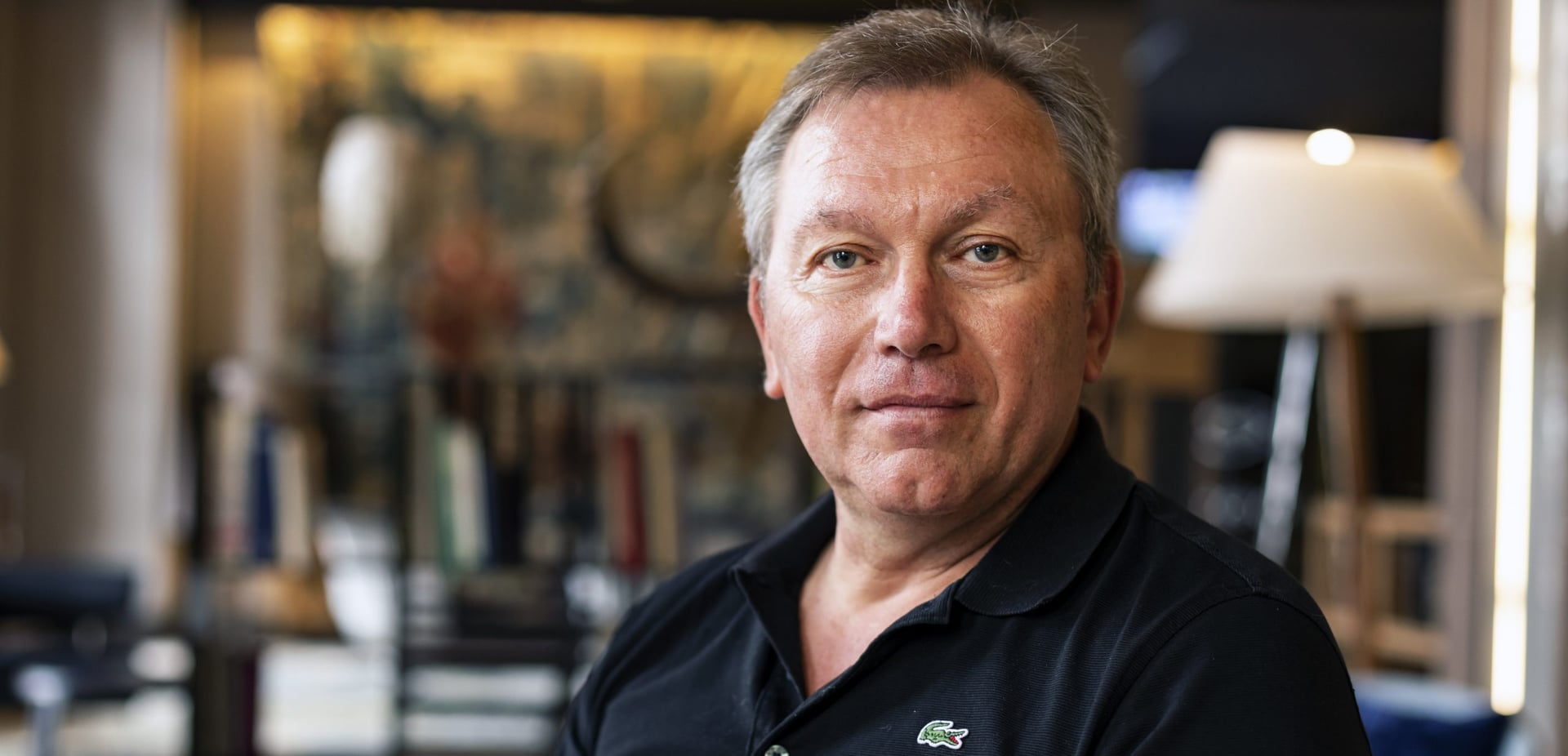
Johan Bruyneel Questions 'Selective' Use of Blood Passport
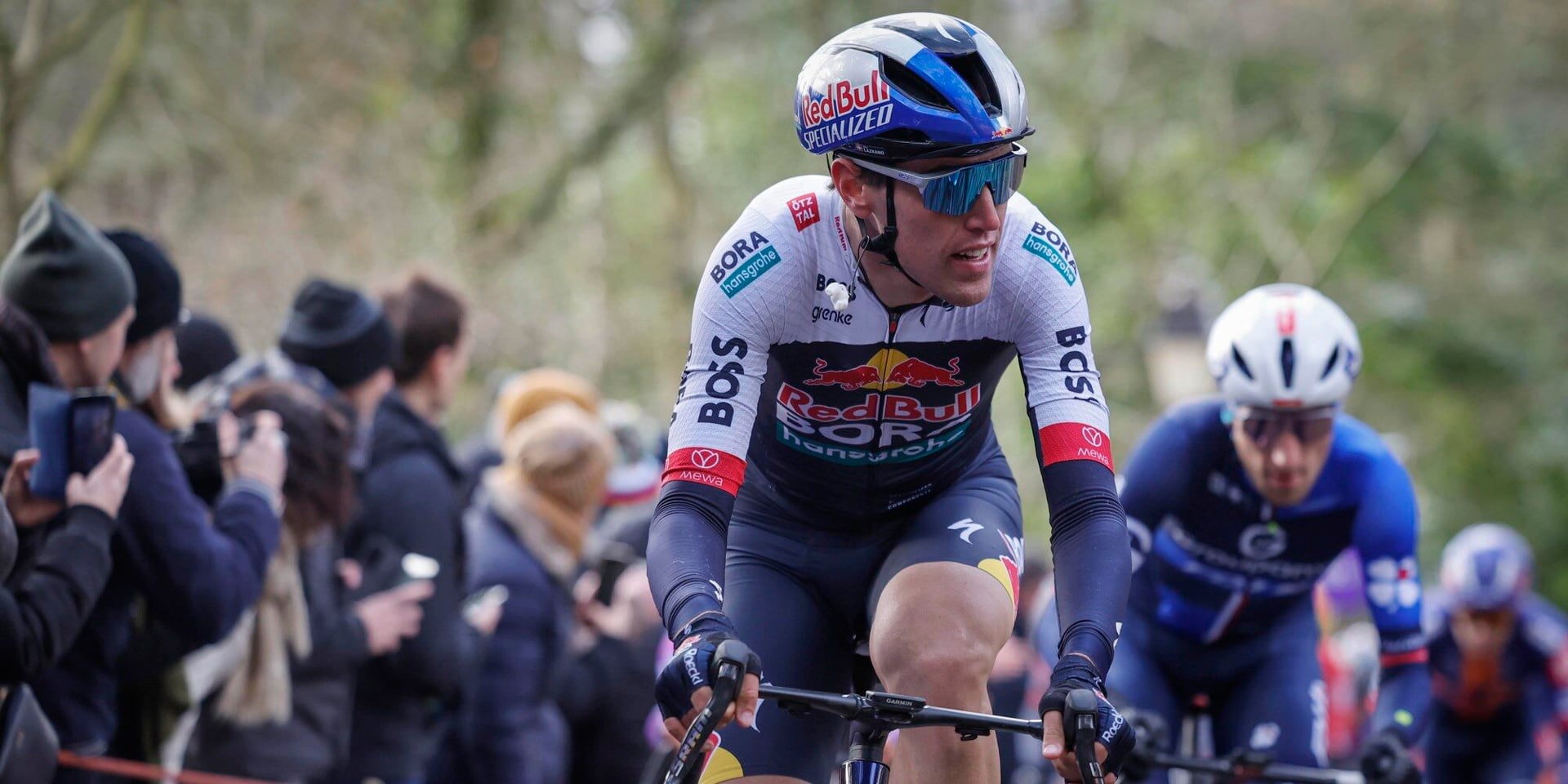
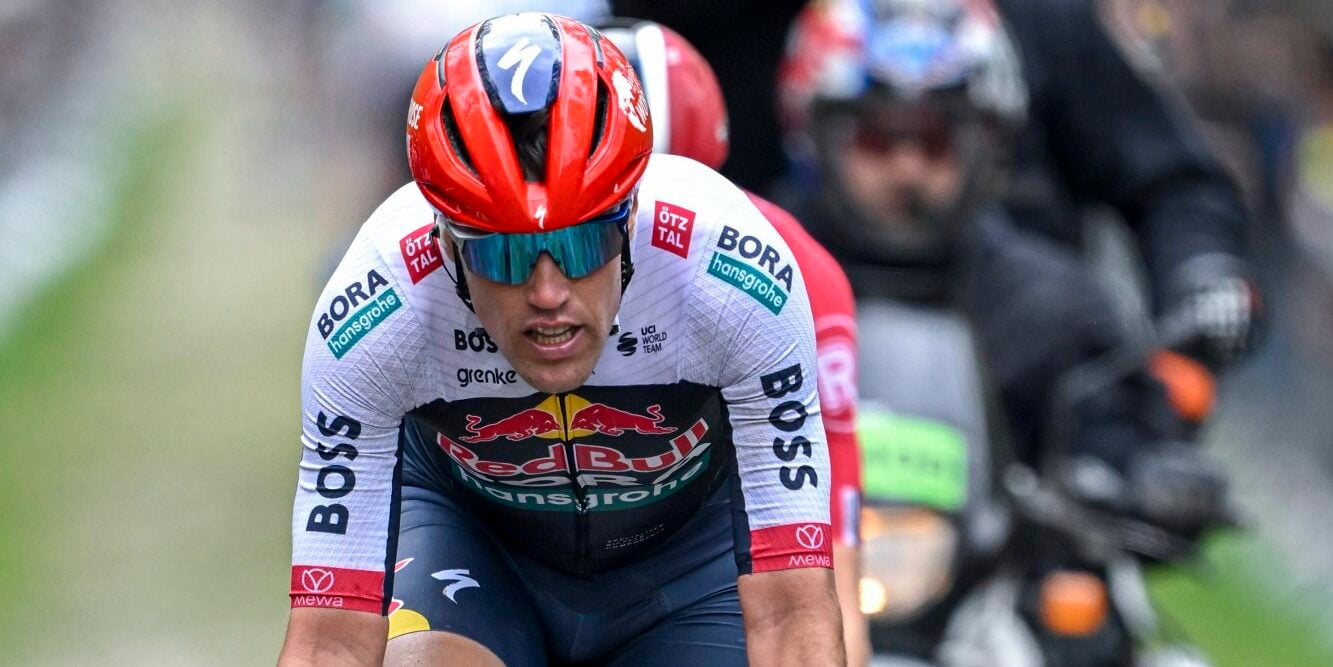
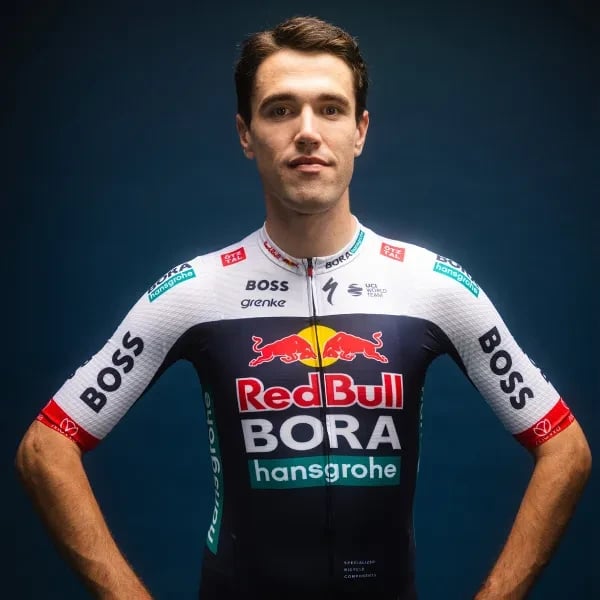
Johan Bruyneel commented in the podcast The Move on the suspension of Spanish rider Oier Lazkano and the way anti-doping authorities use the biological passport to detect doping.
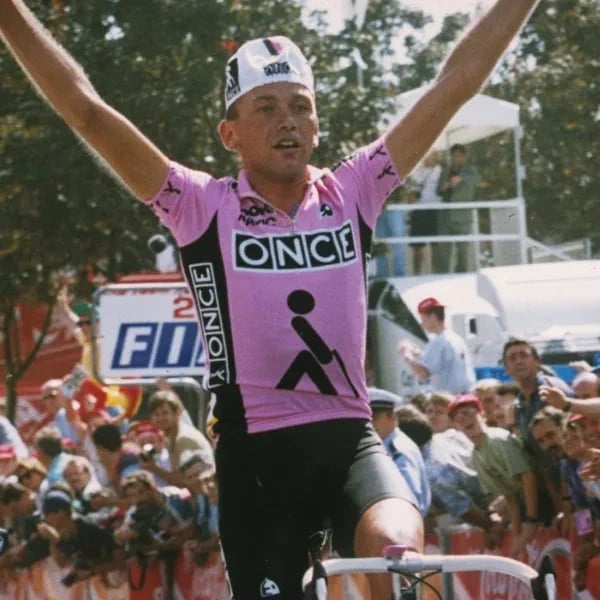
According to Bruyneel, who himself is serving a lifetime ban for facilitating doping for years as the team director of Lance Armstrong's US Postal team, the biological passport is not always applied consistently. "I don't know Lazkano personally and I'm not defending him. I am also a supporter of the biological passport. Clearly, something changed when it was introduced in 2008. However, it is not a 'black-and-white method'. It is an interpretation by experts."
"It surprises me that this biological passport never catches a big fish. It's all about favoritism. The UCI is targeting its easy prey," referring among other things to the salbutamol case involving Christopher Froome. The four-time Tour winner tested positive for an excessive dose of the asthma medication salbutamol during the 2017 Vuelta, which put a suspension over his head. Incidentally, this had nothing to do with Froome's biological passport.
In the end, Froome escaped suspension because the UCI accepted that he had not intentionally used an excessive amount of the substance. "His explanation was sufficient, just like that of Katerina Nash, UCI vice president and former mountain biker who tested positive for capromoreline in 2022. Conversely, Belgian cyclocross rider Toon Aerts was suspended for two years. Double standards." Aerts was found with the substance Etrezol, which he explained himself by a contaminated dietary supplement.
Bruyneel does emphasize the importance of the biological passport but argues against suspension based solely on irregularities in the passport. "I repeat: the biological passport is useful. But it should be used as a tool to identify potential cheaters so that they can be caught during an actual doping control."