Preview Vuelta a España 2025: Will Mads Pedersen Win Green Jersey After Winning Purple in Giro?
The Vuelta a España is all about climbing, climbing, and more climbing. Yet in recent years, the points classification has consistently been won by a sprinter. This edition is no different, with a fast man in the form of Mads Pedersen as the top favorite, although he certainly won’t have it easy. Who will emerge as the biggest challenger to the Dane? WielerFlits takes a look ahead!
History
Last Year
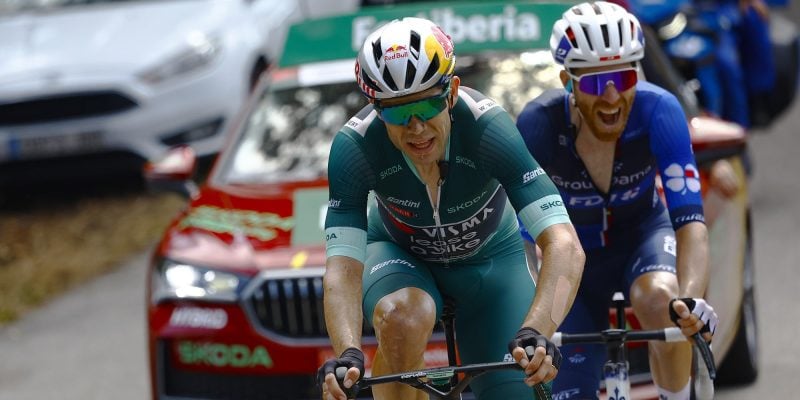
The Vuelta a España started last year with a time trial win for Brandon McNulty. Since the American wore the red jersey the next day and second-placed Mathias Vacek wore the white, Wout van Aert had the green jersey already on his shoulders by stage two. In that green jersey, the Belgian had to yield a day later to Kaden Groves. The Australian not only won the bunch sprint but also took over the lead in the points classification from Van Aert.
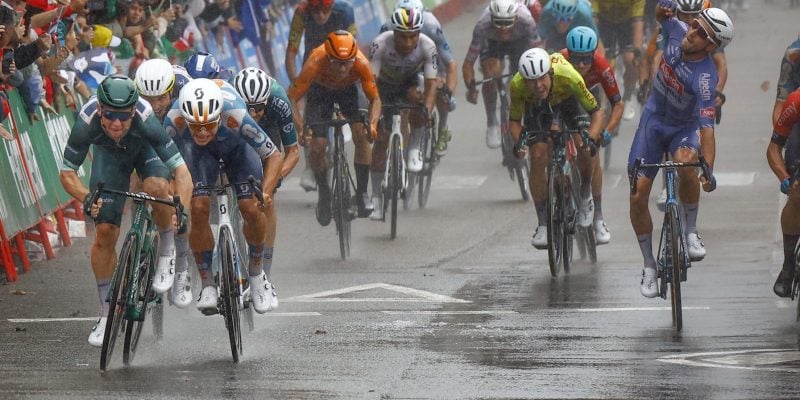
But only for one day. Because in stage three, the roles reversed again. Now Van Aert won ahead of Groves, reclaiming the green jersey. A thrilling battle seemed to be shaping up, although Van Aert slowly but steadily pulled away. Especially in stage seven, he made a decisive move by sprinting to victory while Groves – partly due to a crash – was unable to contest the sprint. The gap widened even more when Van Aert also won stage ten from an early breakaway.
Thanks to several podium finishes in the following stages, it seemed the Belgian had settled the fight for good. After fifteen stages, he had a 109-point lead over the Australian. But then disaster struck.
In the sixteenth stage to Lagos de Covadonga, Van Aert joined the early break but crashed hard on a wet descent. End of Vuelta, end of season. And goodbye green jersey. It went back into Groves' hands, who in turn had a massive lead over the rest of the field. With a win in Santander, he added extra shine to his jersey, and although he ultimately won the points classification convincingly, we mostly remember how Van Aert lost the green jersey.
Points System
The points system in the Vuelta has looked different since 2021 compared to previous years. Previously, the stage winner earned 25 points regardless of whether it was a sprint stage, mountain stage, or time trial. Now for the fifth year in a row, points are awarded based on the difficulty of the stage – with the winner receiving 50, 30, or 20 points accordingly.
And the current points system definitely does not favor climbers, since 50 points can be earned on flat stages. Just like in the Tour de France. The winner of a hard mountain stage receives only 20 points. To give you an idea: that’s the same as the third-place finisher on a flat stage.
The Vuelta organization structures the points classification as follows: 20 points for winners of individual time trials and mountain stages, 30 points for winners of hilly stages, and 50 points for winners of sprint stages. It must be said, however, that only two stages this year are designated ‘flat’: stage 1 and stage 21. Intermediate sprints can also again play a significant role. In each stage, 20 points are up for grabs in these sprints, compared to just 3 points previously.
In case of a points tie, the number of stage wins is considered. If still tied, victories in intermediate sprints and then the general classification standing become decisive.
Flat stages (1 and 20)
At the finish: 50 – 30 – 20 – 18 – 16 – 14 – 12 – 10 – 8 – 7 – 6 – 5 – 4 – 3 – 2 (first 15 riders)
Hilly stages (stages 2, 3, 4, 8, 9, 11, 12, 15, and 19)
At the finish: 30 – 25 – 22 – 19 – 17 – 15 – 13 – 11 – 9 – 7 – 6 – 5 – 4 – 3 – 2 (first 15 riders)
Mountain stages (stages 6, 7, 10, 13, 14, 16, 17, and 20)
At the finish: 20 – 17 – 15 – 13 – 11 – 10 – 9 – 8 – 7 – 6 – 5 – 4 – 3 – 2 – 1 (first 15 riders)
Individual time trial (stage 18)
At the finish: 20 – 17 – 15 – 13 – 11 – 10 – 9 – 8 – 7 – 6 – 5 – 4 – 3 – 2 – 1 (first 15 riders)
Intermediate sprint (every stage, stages 5 and 18)
Each intermediate sprint: 20 – 17 – 15 – 13 – 10 (first 5 riders)
Favorites
The Vuelta a España is usually not a sprinter-friendly race. Also this year, the climbers take center stage, but we still count five to six stages where the fast men could strike. Interestingly, only two of those stages have been labeled ‘flat’. This is disadvantageous for sprinters, because only in those stages can a substantial haul of points be earned.
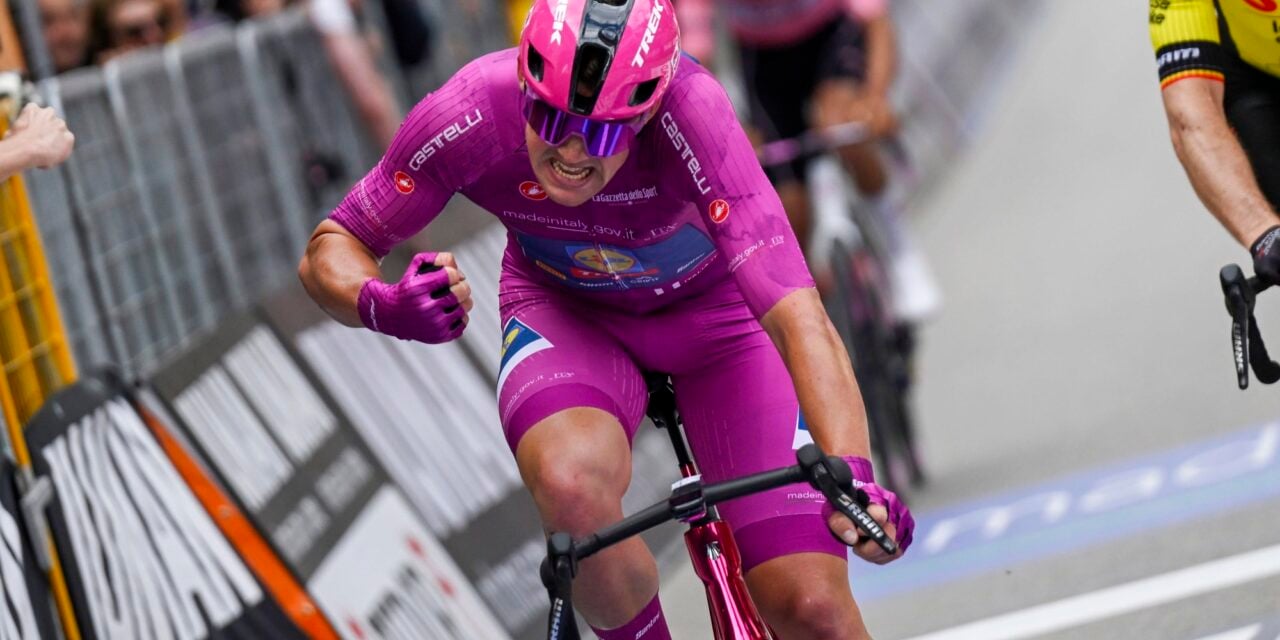
Still, it’s a realistic scenario that a sprinter takes the green jersey, just like in the past four years. Because of the points system, because mountain stages in the Vuelta often favor breakaway riders, and because Mads Pedersen is at the start. The Dane is the absolute top favorite for the green jersey. He already won the secondary points competition in 2022 – with a massive 223 (!) point lead over second place Fred Wright – and earlier this year almost as easily took the purple points jersey in the Giro d’Italia. Results that matter.
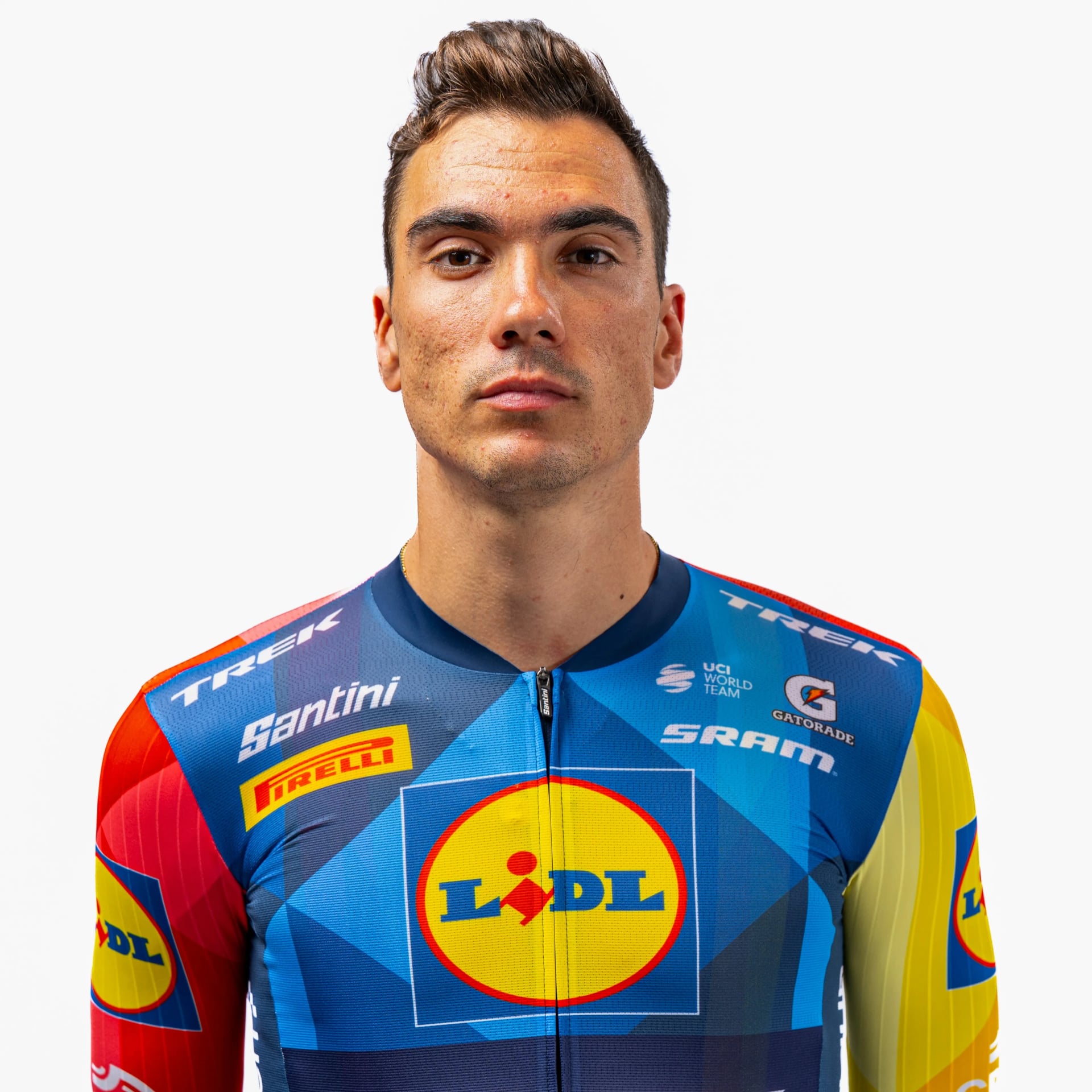
Pedersen has also proven he is ready for the Vuelta. After the 29-year-old powerhouse missed the Tour de France – Lidl-Trek preferred Jonathan Milan – he made his comeback in his own Tour of Denmark. There, he won three stages and the overall classification. His solo on the penultimate day was especially impressive. Who can stop this powerhouse on carbon in this Vuelta?
Probably Jasper Philipsen. The Flemish Ham broke his collarbone and several ribs in a crash during the Tour de France but made his comeback earlier this month. In the Tour of Denmark, he sprinted once to fourth place; he came fourth again in the ADAC Cyclassics. Not yet top form, but good enough to start in the Vuelta. By the way, the Belgian has already won three stages in this race: one in 2020 and two in 2021. Philipsen has since become one of the fastest riders in the peloton and is on paper the fastest in this bunch. The question remains whether that holds after this disrupted preparation?
Besides Pedersen and Philipsen, the sprinter field is modest, which is often the case in the Vuelta. Still, the two top men should not only watch each other. Ethan Vernon could for example be dangerous. The 24-year-old Brit couldn’t fully convince in the Tour of Poland but did win a stage earlier this spring in the Tour of Catalonia. Last year he had not one but two WorldTour victories in the Tour of Guangxi. What speaks in Vernon’s favor is that he climbs reasonably well. That way you sprint more often for wins and points.
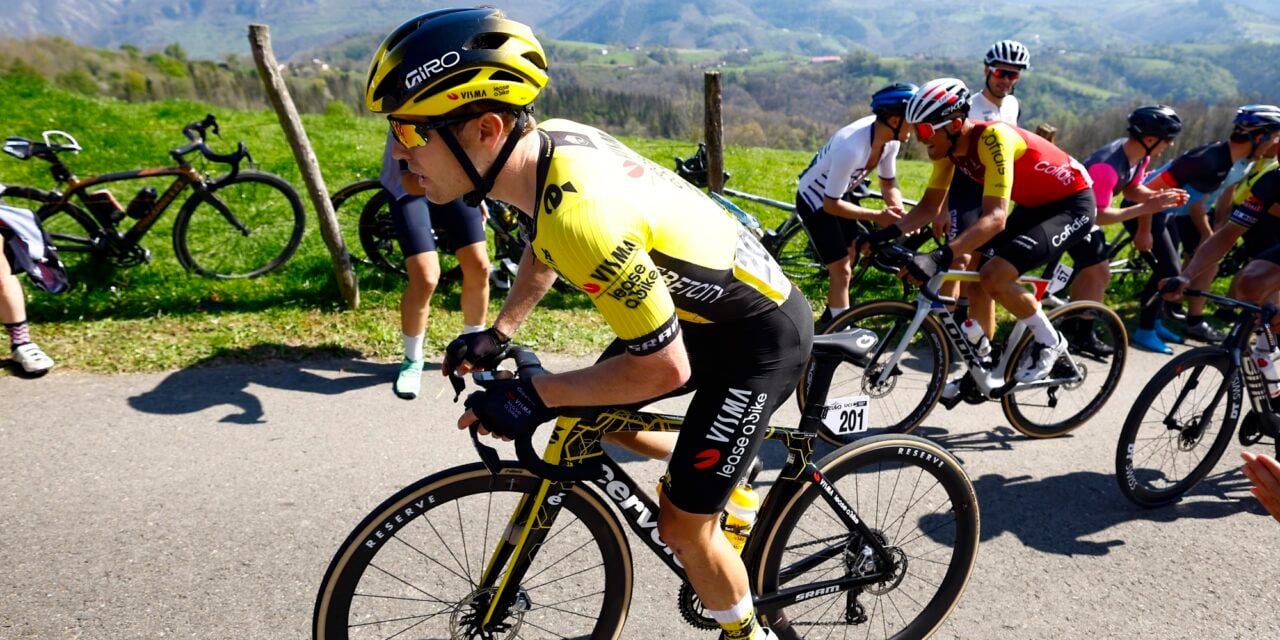
That also certainly applies to Axel Zingle. The 26-year-old Visma | Lease a Bike rider is not the outright fastest but climbs hills with ease. In fact, he thrives on hilly terrain. Moreover, he often positions himself well, which resulted in a number of podium placements this spring. He will need those qualities extra this Vuelta as the team will primarily focus on Jonas Vingegaard’s classification.
By the way, in May Zingle already took his first victory in Dutch colors. The Frenchman won the opening stage of the Four Days of Dunkirk. Three days later, however, he crashed hard – while wearing the yellow jersey. He broke a vertebra on the outside of his neck and missed his Tour de France debut. Can he turn this setback into something great during the Vuelta? His Tour of Denmark was promising. In the final stage, he narrowly missed the win but pushed Pedersen to the limit.
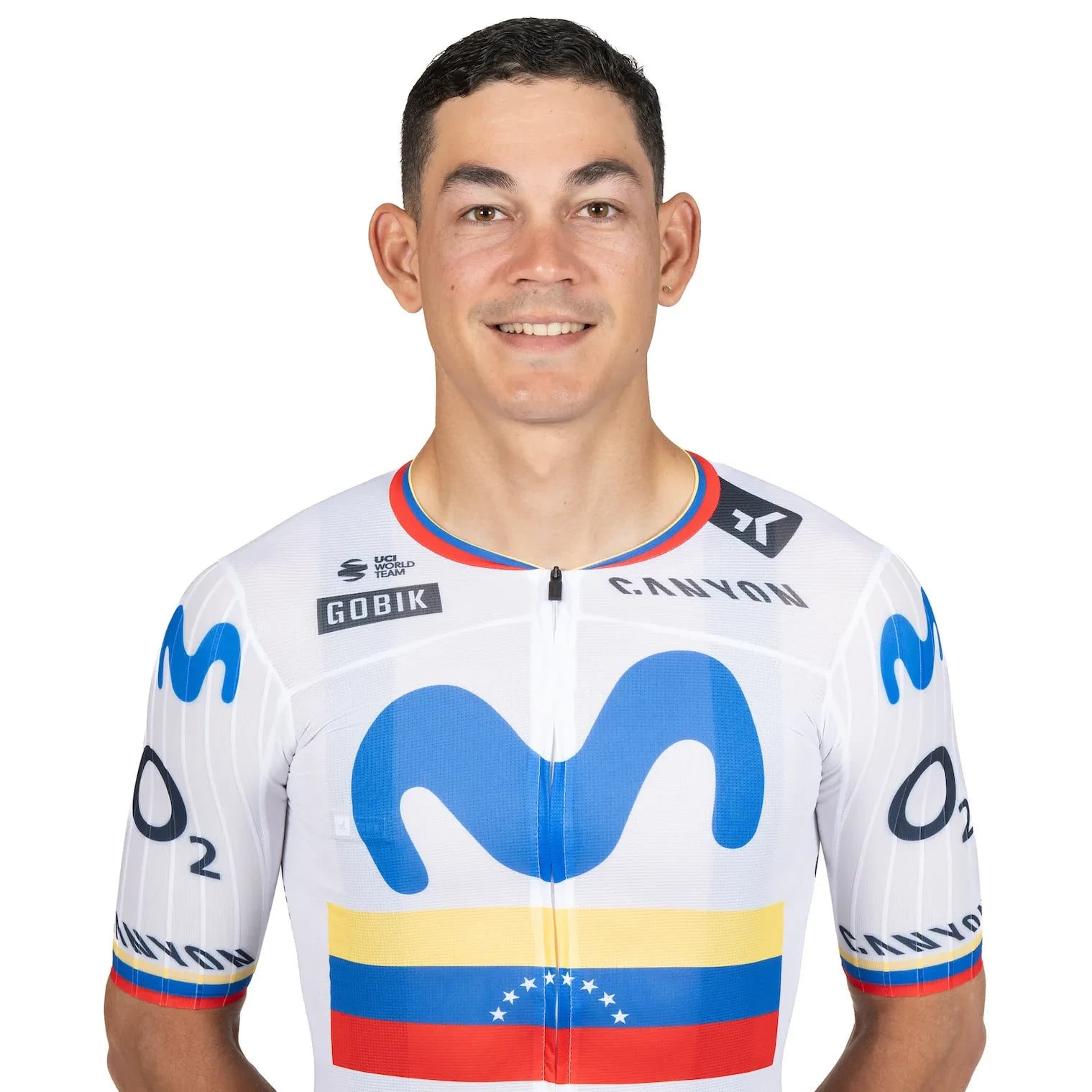
Don’t underestimate Orluis Aular either. Anyone who picked the versatile Venezuelan in their pool for the recent Giro d’Italia hit the jackpot. Aular sprinted into the top four four times in that race. And since the competition in Italy was certainly not any weaker than here in Spain – rather the opposite – the Movistar rider should be capable of even more in the coming weeks. Also because he’s quite versatile. In June he even finished seventh overall in the Baloise Belgium Tour.
From a Dutch perspective, keep an eye on Casper van Uden. The Picnic PostNL sprinter debuted in a Grand Tour earlier this year – in the Giro d’Italia – and immediately scored. In the very first sprint stage, he outsprinted none other than Olav Kooij. As a more pure sprinter, he’s at a disadvantage compared to Philipsen and certainly Pedersen when it comes to the points classification, but maybe Van Uden can surprise.
Other fast men who fall short against the real sprint powerhouses but might still score in this Vuelta include Madis Mihkels (EF Education-EasyPost), Nicolò Buratti (Bahrain Victorious), Stanisław Aniołkowski (Cofidis), Thibaud Gruel (Groupama-FDJ), Guillermo Thomas Silva (Caja Rural-Seguros), Arne Marit (Intermarché-Wanty), and Elia Viviani (Lotto).
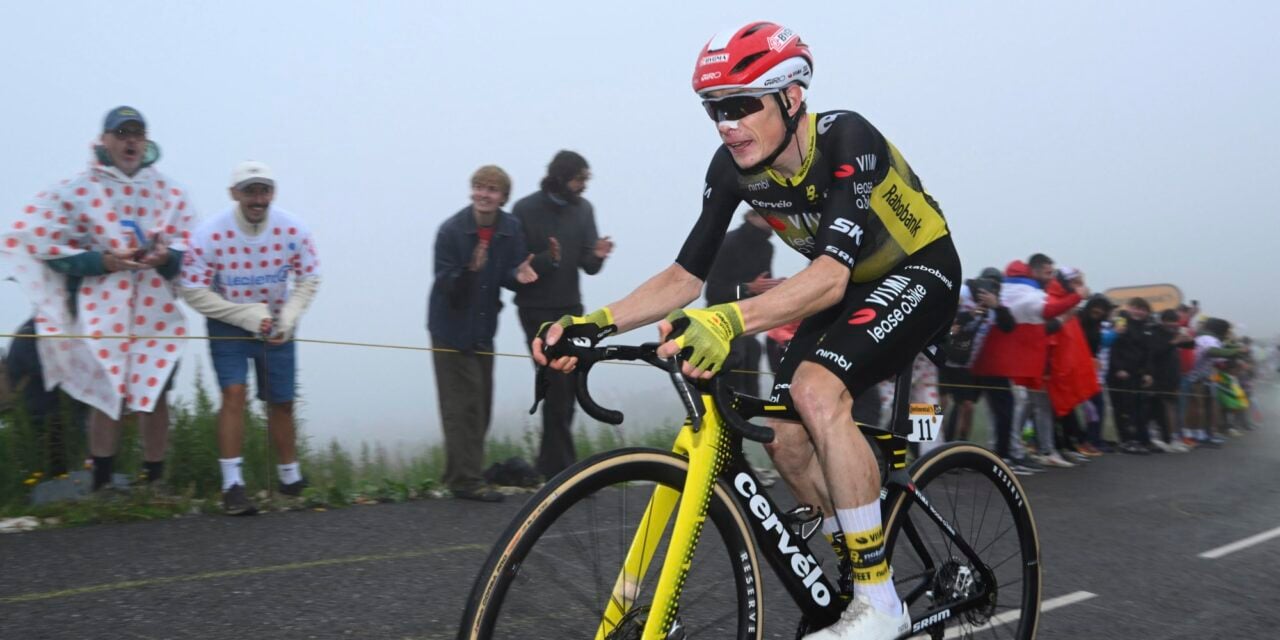
Although the green jersey in recent years has always gone to a sprinter, the better climbers are certainly not without a chance in this classification. After all, there are only two official flat stages and a whopping eleven uphill finishes. Of course, breakaway riders will also crest a few summits first, but if Jonas Vingegaard consistently proves to be the best GC rider, he will steadily collect points. Given the competition, it’s not impossible that Vingegaard will prevail time and again.
On paper, João Almeida is his biggest rival in the mountains. The UAE Emirates XRG rider had to abandon the Tour after a heavy crash, so we are still waiting to see his form. Especially since he rode no race as preparation. But if Almeida reaches his earlier-season level, Vingegaard will have a tough time with him. The Portuguese even beat the Dane on La Loge des Gardes in Paris-Nice. Afterwards, he won the Basque Country, Romandie, and Switzerland tours, two of which – Basque Country and Switzerland – he also won the points classification thanks to his strong climbing performances.
UAE Emirates XRG doesn’t have just one but two leaders. Juan Ayuso will also start. The Spaniard had a disappointing end to his Giro and hasn’t yet truly impressed ahead of the Vuelta, but if he finds his best legs again, he will be among the contenders for stage wins in the mountains. He could also compete for the points classification.
The same applies to Giulio Ciccone, who has indeed shown excellent form. The Italian recently won the Clásica San Sebastián and the final stage of the Vuelta a Burgos. His sharp uphill sprint could earn him many points.
Riders like Vingegaard, Almeida, Ayuso, Ciccone, and Carapaz need a scenario where many mountain and hilly stages go to the favorites. Tom Pidcock also aims for a classification – he targets a top-ten finish in Madrid – but we can also see him playing the attacker’s role later in the race (like the mercurial Ciccone and Carapaz, for example). Doesn’t that role secretly suit this all-rounder best? Uphill, downhill, short climbs, longer climbs, from the breakaway, against the favorites – in principle, Pidcock can win on all terrains, in any scenario. We certainly wish him a classification success, but with a free-roaming attitude, this Vuelta could become a celebration for him. Maybe with a green jersey as the icing on the cake.