Why Matthew Brennan is already being compared to Wout van Aert
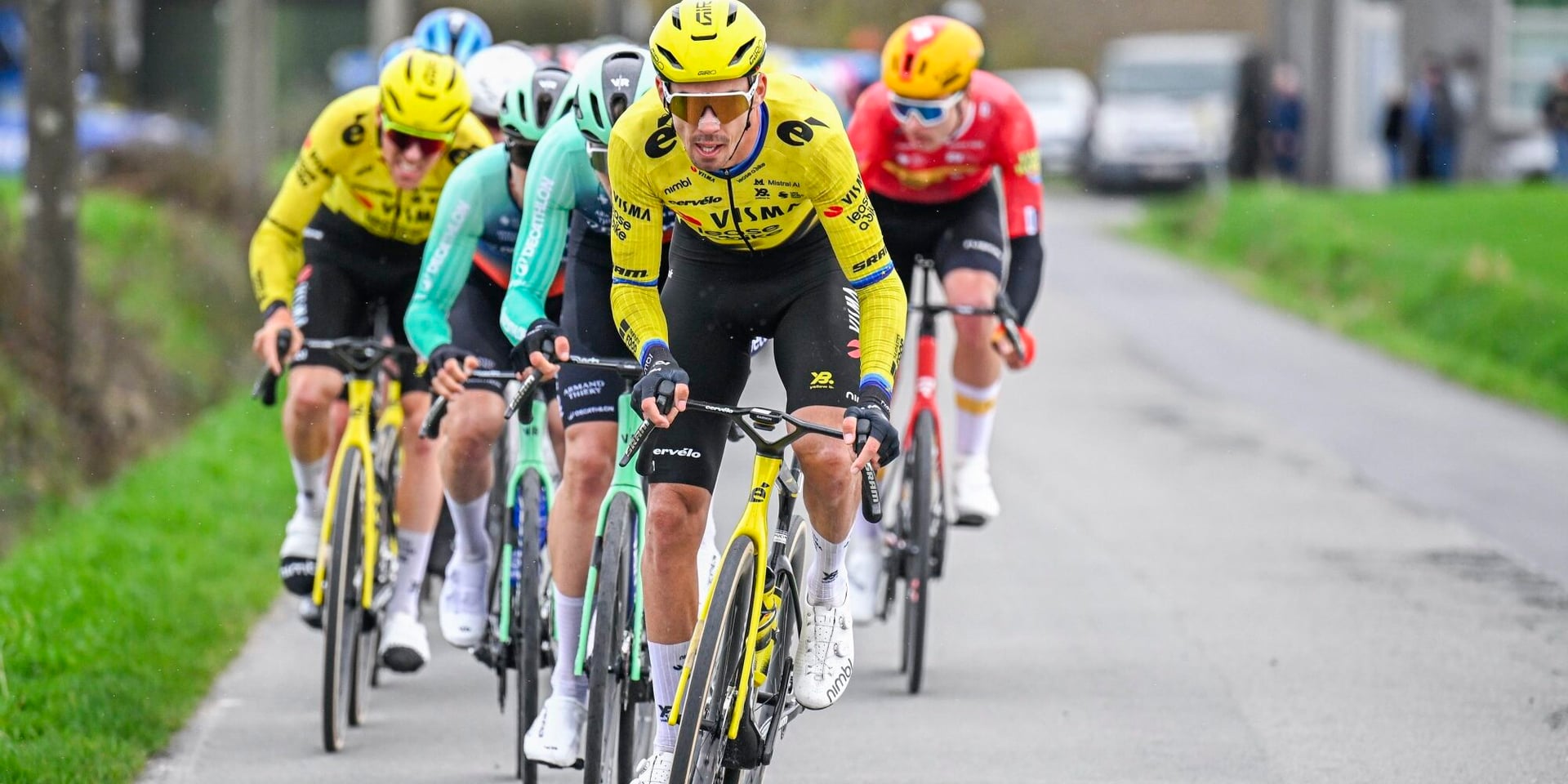
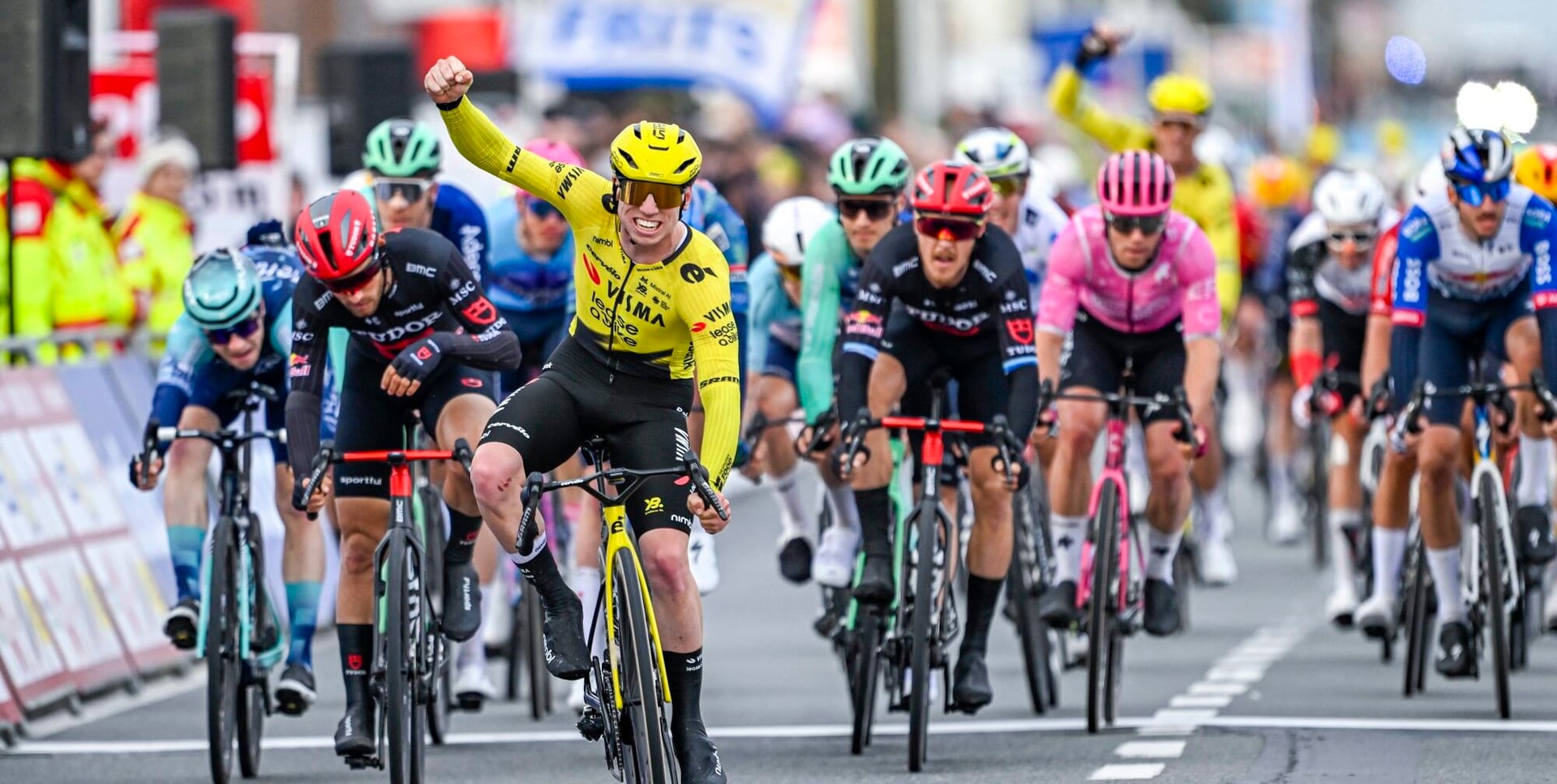
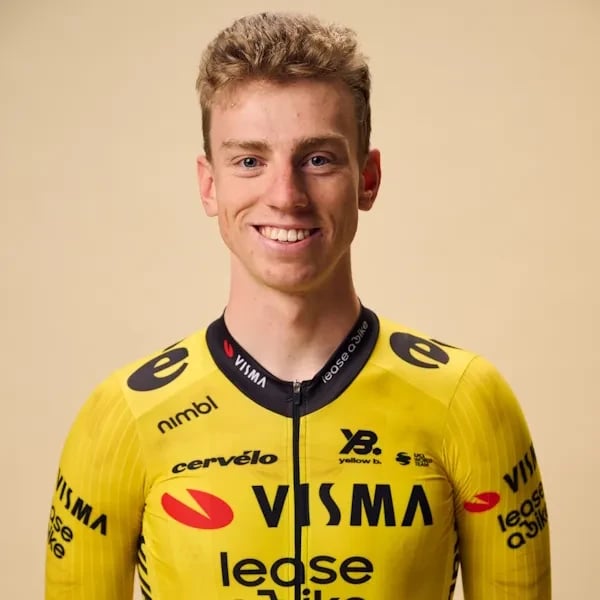
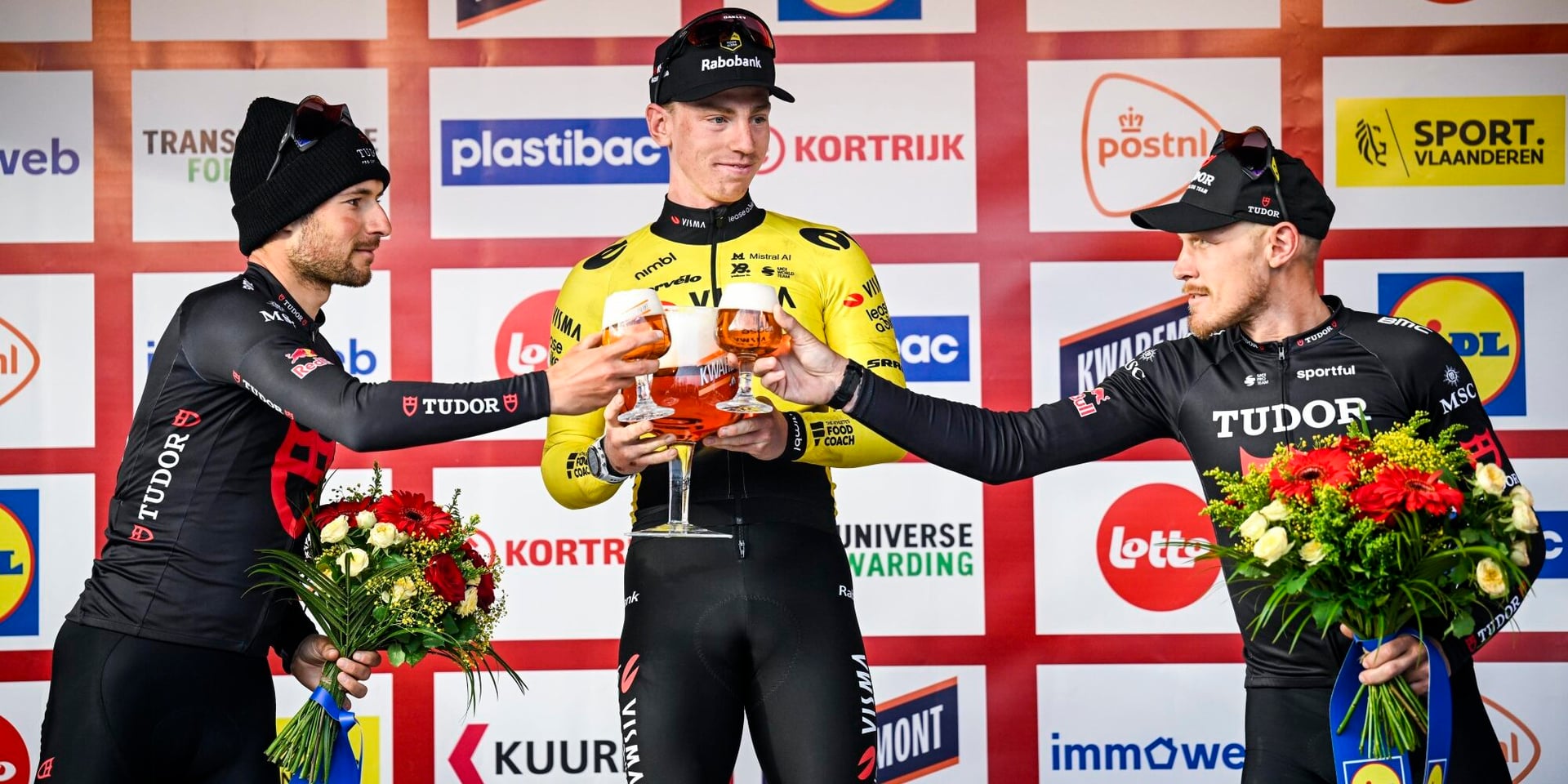
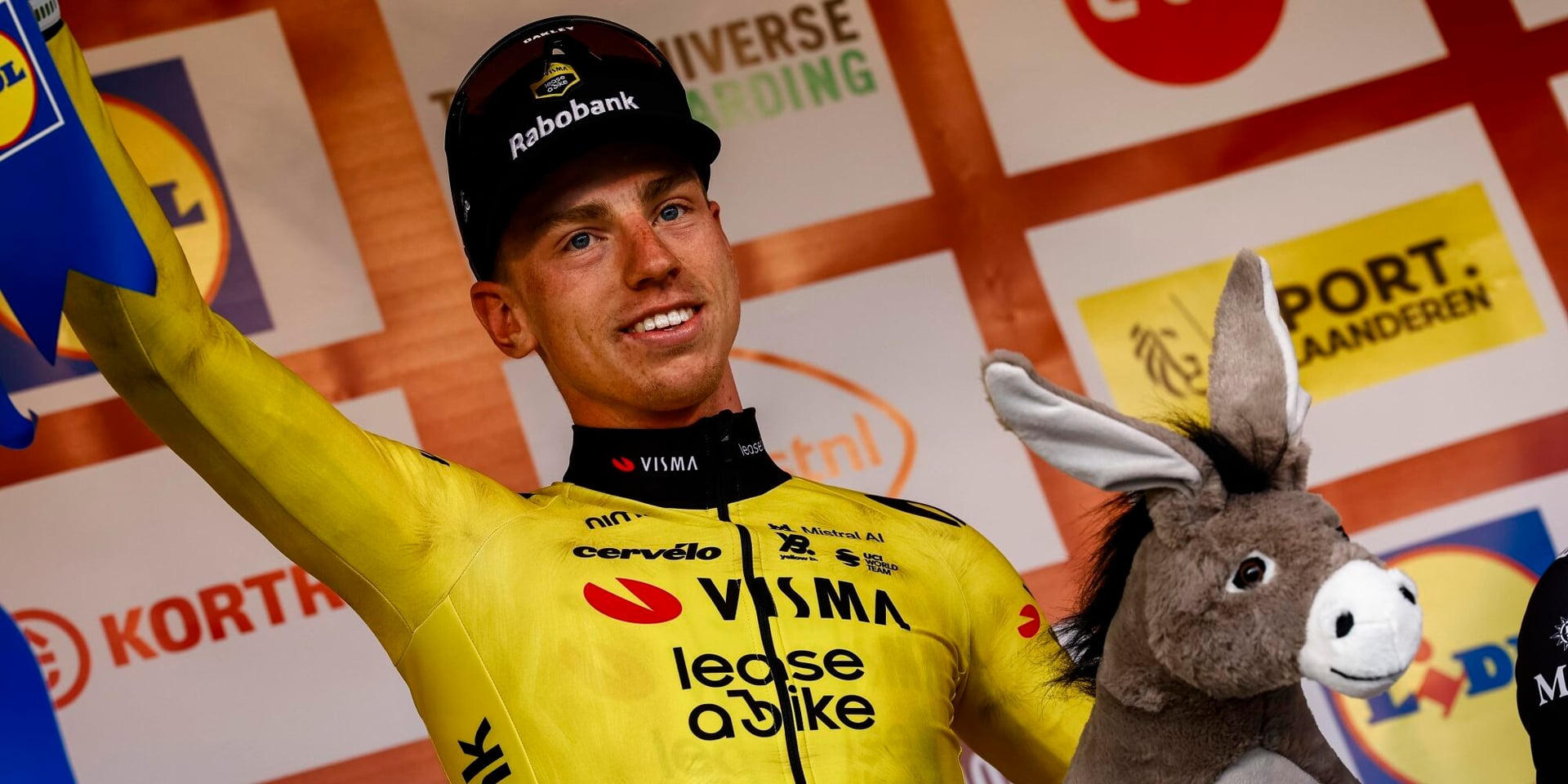
At 20 years old, Matthew Brennan has secured his first cobbled classic, and it’s likely not his last. In Kuurne-Brussels-Kuurne, Brennan and his Visma | Lease a Bike teammates started the race battered after a painful crash in the Omloop Het Nieuwsblad, yet they were also the team that took control of the race, dominated it, and ultimately brought it home.
How Visma | Lease a Bike managed to turn that unlucky day in the Omloop Het Nieuwsblad into a commanding performance in Kuurne-Brussels-Kuurne is largely thanks to Brennan himself. When team director Maarten Wynants came to check on a wounded Brit at the massage table on Saturday evening, Brennan was the only one not nursing his wounds. No, he was only talking about the day after.
“I think I mostly wanted to forget that day, to be honest,” Brennan explained his mindset at the post-race press conference. “There was some frustration that eventually led to the crash, and that fall was definitely unpleasant. I was really lucky with how it ended; I only had some cuts and bruises. But if you go down at 60 kilometers per hour, you don’t want to keep replaying that in your head. And then you hear: ‘Okay, tomorrow we have to do the exact same thing, the same chaos, the same nervousness,’ so it’s a matter of: how do we approach this mentally? How do we get ourselves through the race?”
Does that anecdote describe you?
“My way of thinking is always: what happened? Where did it go wrong? Why did I do that exactly at that moment? It’s quite analytical, but that makes sense. If there’s something that can be easily improved, why wouldn’t you improve it? It’s always satisfying when you look back and there aren’t many guys left behind you. If you can put yourself in situations that are advantageous for you and the team to win the race, why wouldn’t you do that?”
Did you still suffer significantly from the crash during the race?
“Yes, my entire left side was quite swollen, including my arm. And it certainly wasn’t pleasant on the cobbles. But a large part of it was mental, especially with positioning. It was pretty crazy, and when you see one near-miss after another in terms of crashes, it’s quite scary. That’s probably why I lost focus briefly halfway through the race, but I pulled myself back together.”
Was it also because of the bad luck in Omloop that your team took control and grabbed the race by the throat?
“The opportunity arose, and that was definitely very positive. I knew I felt good, and if I could reach the finish without the really fast guys, then we had a good chance. Especially with Christophe Laporte on board; he’s very useful in such situations. So when that scenario developed, we went all in. We thought: we’re going to really hurt the teams with these sprinters, which put us in a good position to hold on until the finish and seal the deal.”
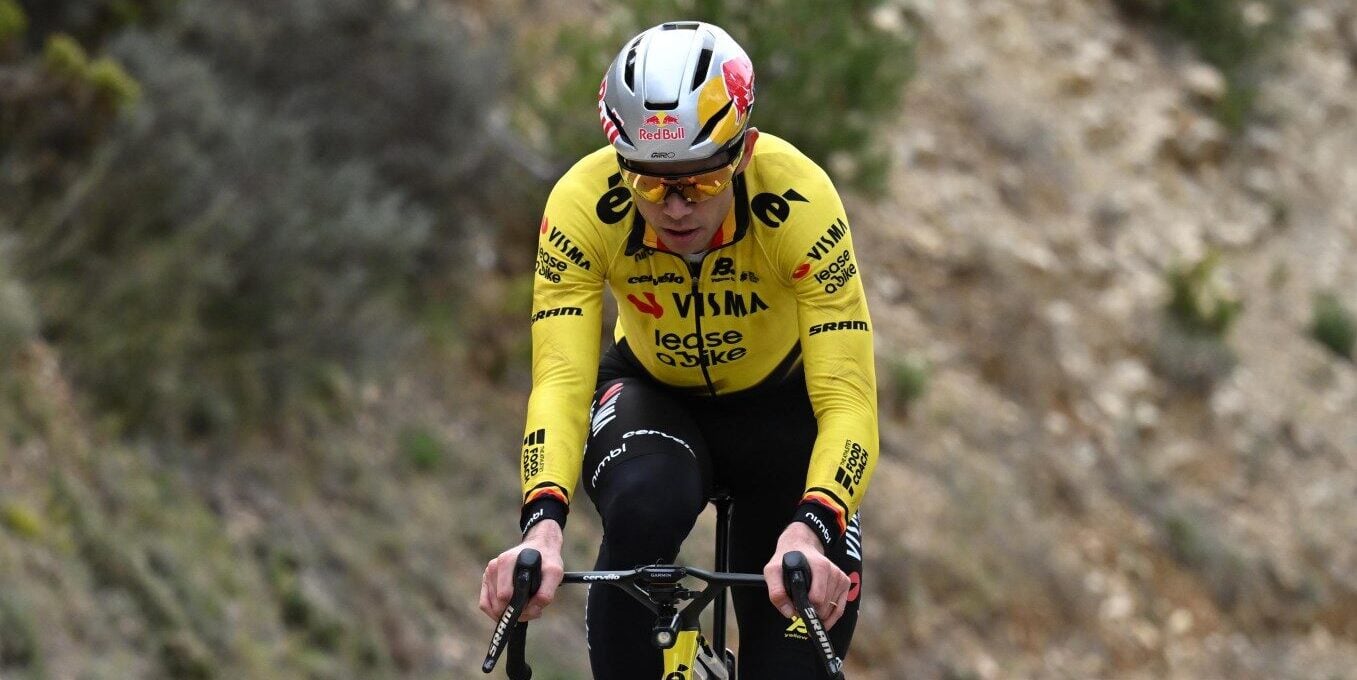
In Belgium, some people are already comparing your qualities to a young Wout van Aert. Do you agree with that?
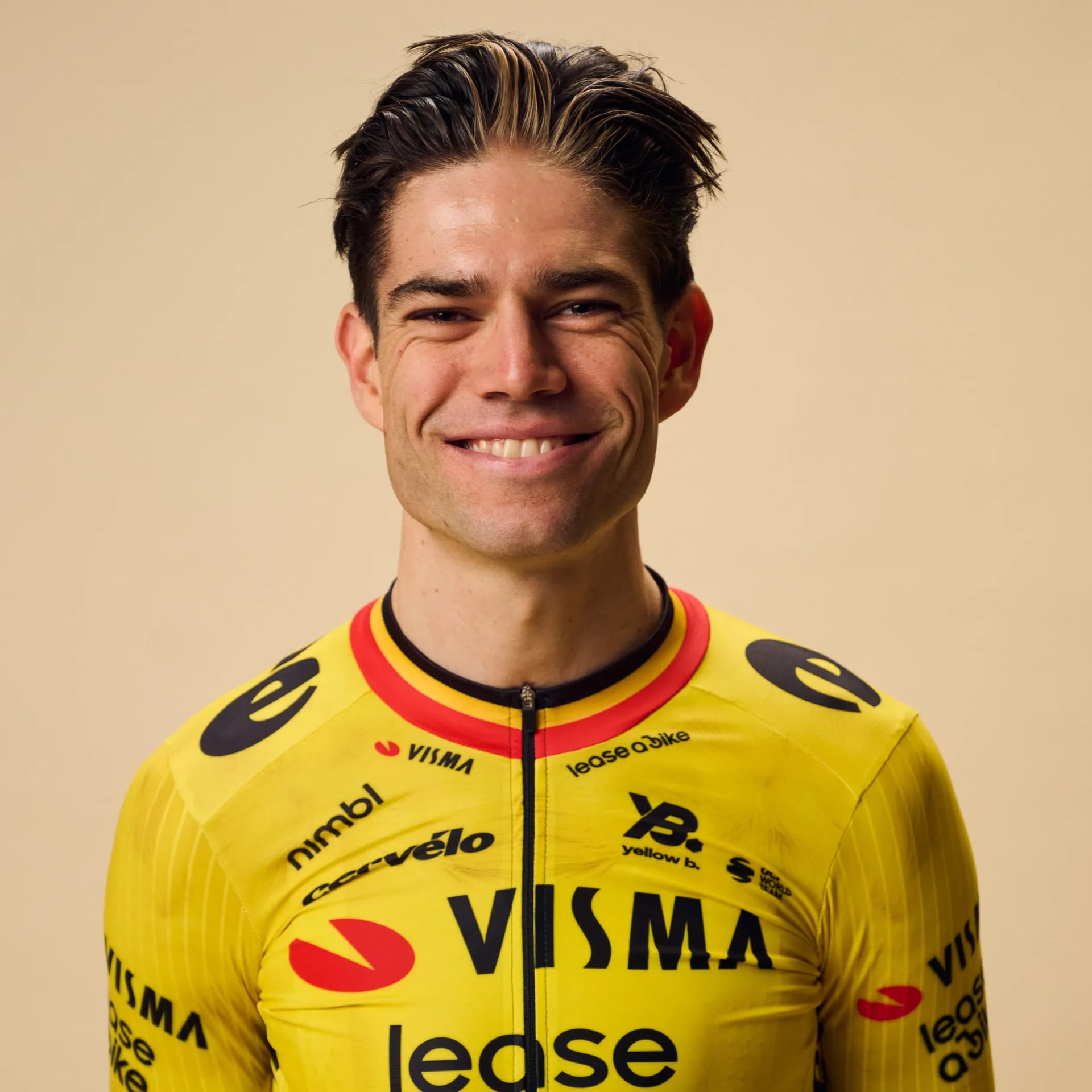
“Yes, it’s very nice to be compared to a man like him. He’s super successful and has a magnificent career. If my career took a similar path to Wout’s, I’d be super happy.”
What kind of relationship do you have with Wout within the team?
“He’s really helpful, a very nice guy. When you join the team, you have a certain image in your head of a superstar. Thanks to social media, you have certain expectations of someone you look up to, but when you actually meet him, he’s just a completely normal, down-to-earth guy. That wasn’t the expectation I had beforehand, but it’s a very nice quality of Wout. He’s personal and doesn’t feel ‘too big’ to help you. I think he’s a great guy.”
Team director Grischa Niermann said beforehand that they were aiming for a win with you this weekend, despite Van Aert’s absence. How much pressure does that put on you, and how do you handle it?
“Social media creates a narrative based on statements and puts emphasis on things that weren’t really meant that way. I know my own limits, and I think Grischa roughly knows my limits too. You can look at training data and form a rough picture, but so much happens in a bike race. You might have the power, and many guys have the strength to be there, but positioning, approach, and teamwork all contribute to whether it succeeds or not.”
So Visma | Lease a Bike doesn’t put too much pressure on you?
“No, because it’s a very welcoming environment. Everyone is relaxed with each other. If something goes wrong, it happens. That’s part of life. The whole development process is focused on: how do we get better from this? Nobody takes things personally. All feedback aims at what we want to improve, scientifically based. If we keep doing that, we’ll get stronger and stronger.”
What is the next big goal? Is there a specific classic you’re targeting?
>I would love to do Milan-San Remo; that would be great. I also want to ride Paris-Roubaix and the Tour of Flanders in good form. But 200 other guys in the peloton want that too, so we’ll see what happens. I think this whole classic campaign is about doing the best we can in every race. I don’t come to a race just to hang back and follow along, to be honest. I come for results.”