Preview: Milan-San Remo 2026 – another epic Van der Poel-Pogacar showdown?
Let’s go! Important cycling appointments were already on the agenda in the first months, but Saturday it’s time for the first monument classic of 2026. Indeed: Milan-San Remo is here. In La Primavera, Tadej Pogacar wants to fill a significant gap in his palmarès, but first he must get past Mathieu van der Poel. WielerFlits takes a look ahead!
History
Last edition
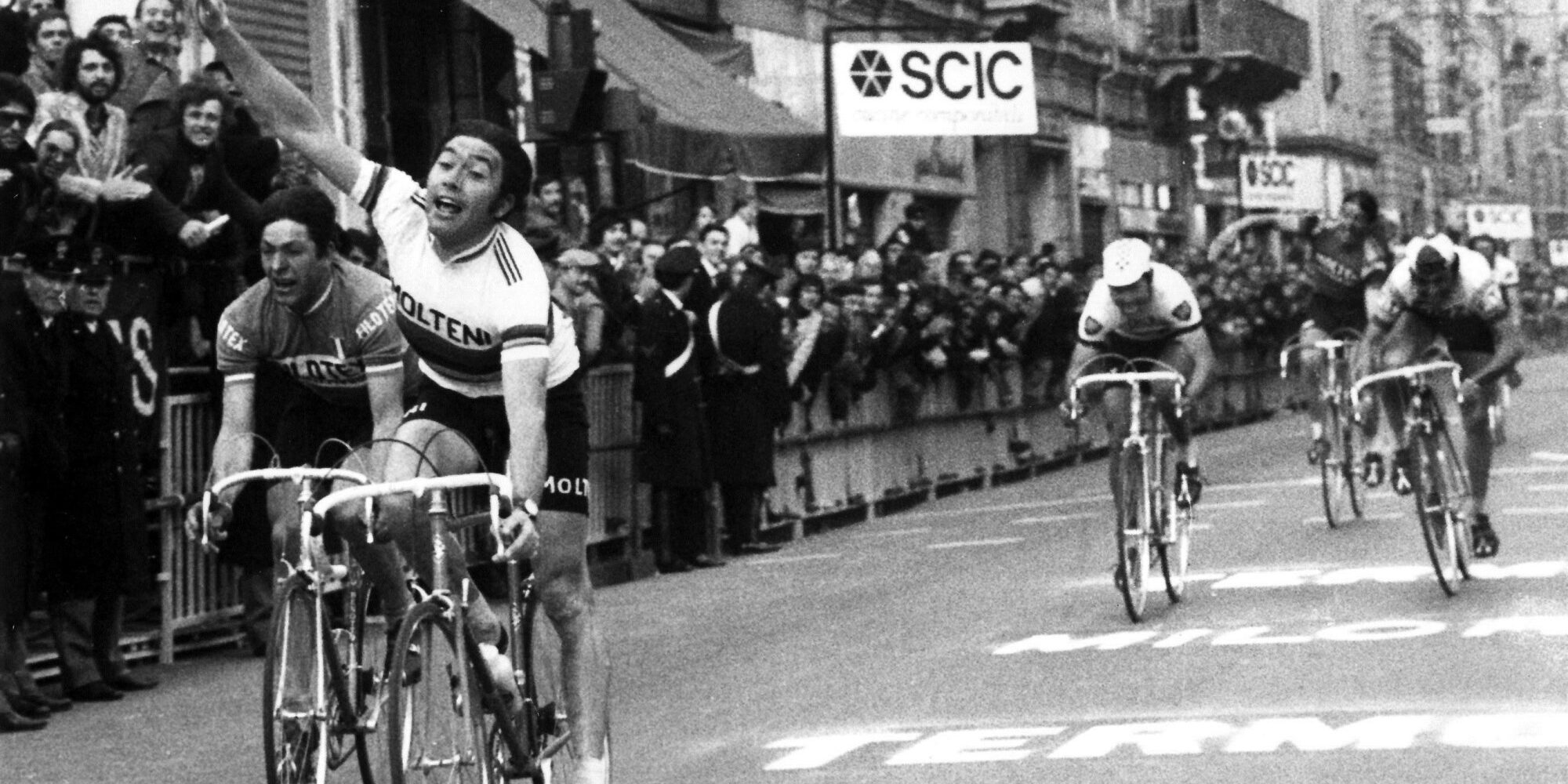
Sometimes one attack speaks louder than a thousand words. For the older cycling fans who grew up in the time of Eddy Merckx, it is perhaps hard to imagine that there is currently a cyclist riding around who may be even better than the now eighty-year-old Belgian cycling legend. Even more complete, more brilliant, and flashier than the man who dominated countless great races in the 1960s and 1970s.
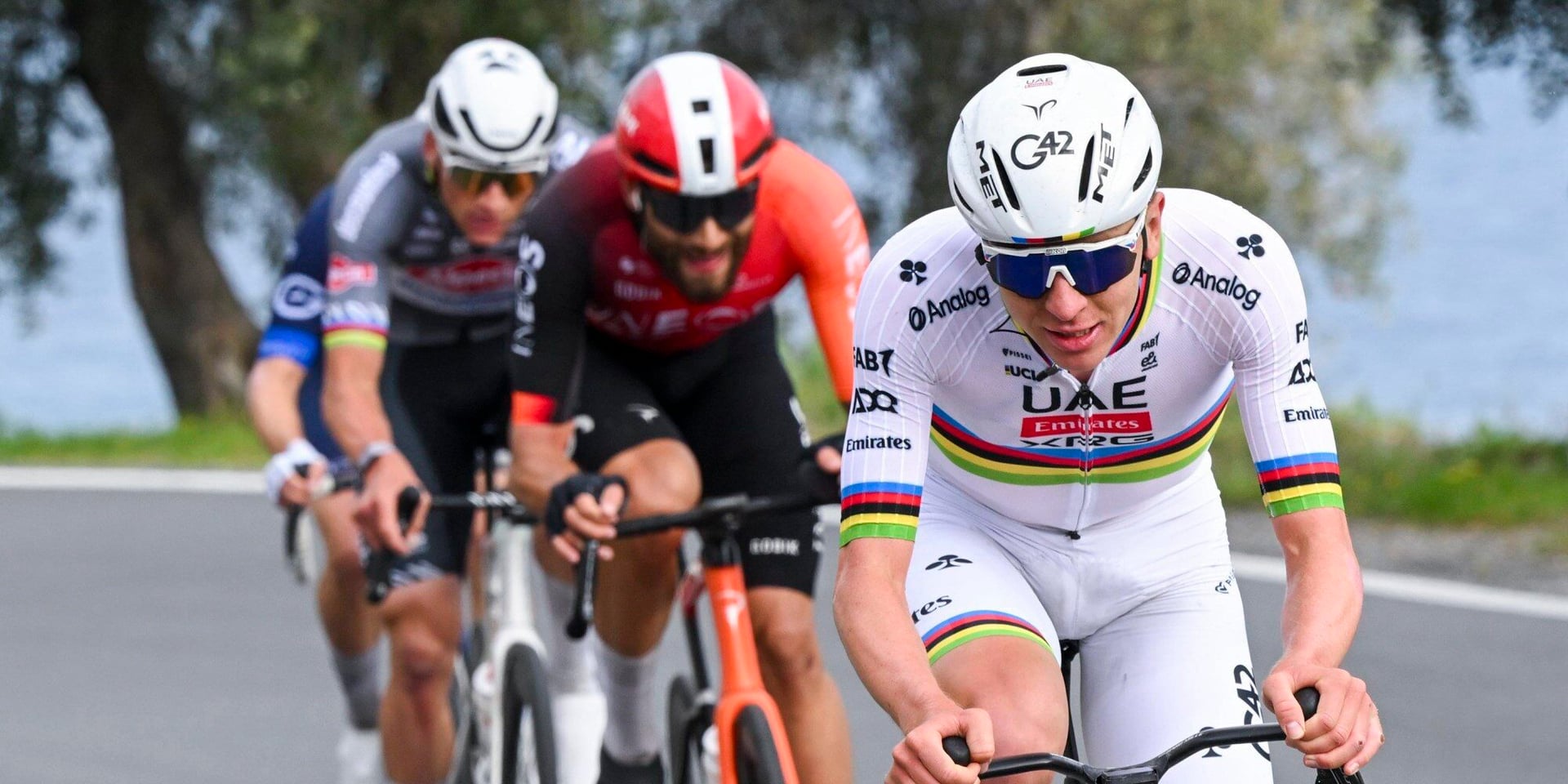
Every era has its phenoms, but Tadej Pogačar is probably the greatest phenomenon of them all. Yet, even phenoms sometimes encounter unforeseen forces of nature. March 22, 2025. The flanks of the Poggio. Three riders tackle together this 3.7-kilometer climb – long established as the final challenge in Milan-San Remo.
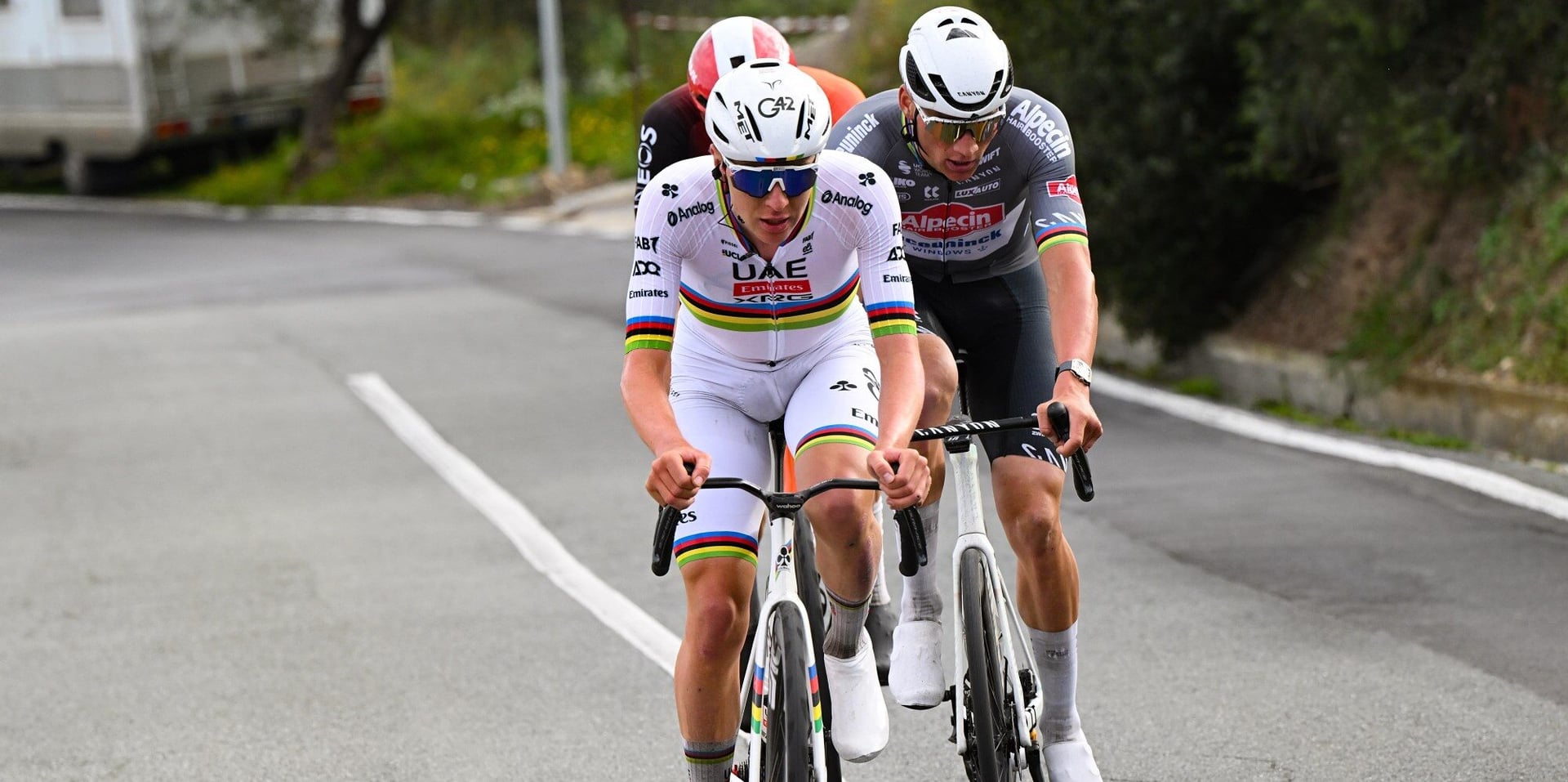
The man in the white jersey with rainbow stripes is Tadej Pogačar, the towering fellow with a full beard goes by the name Filippo Ganna, and the slender yet powerful rider in the Alpecin-Deceuninck kit is called Mathieu van der Poel. These three heavy hitters are locked in a merciless three-way battle for victory in La Primavera that memorable Saturday in March.
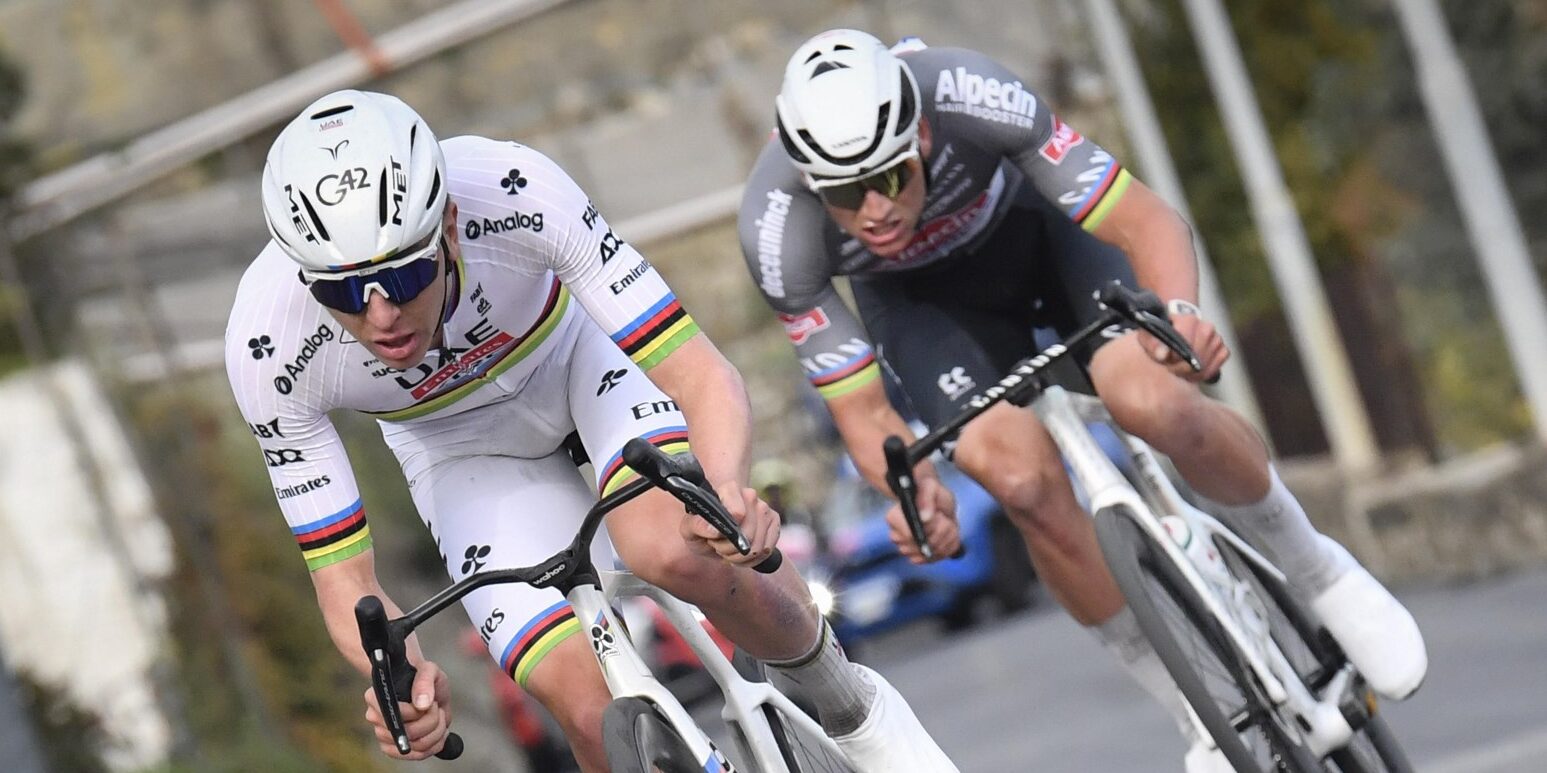
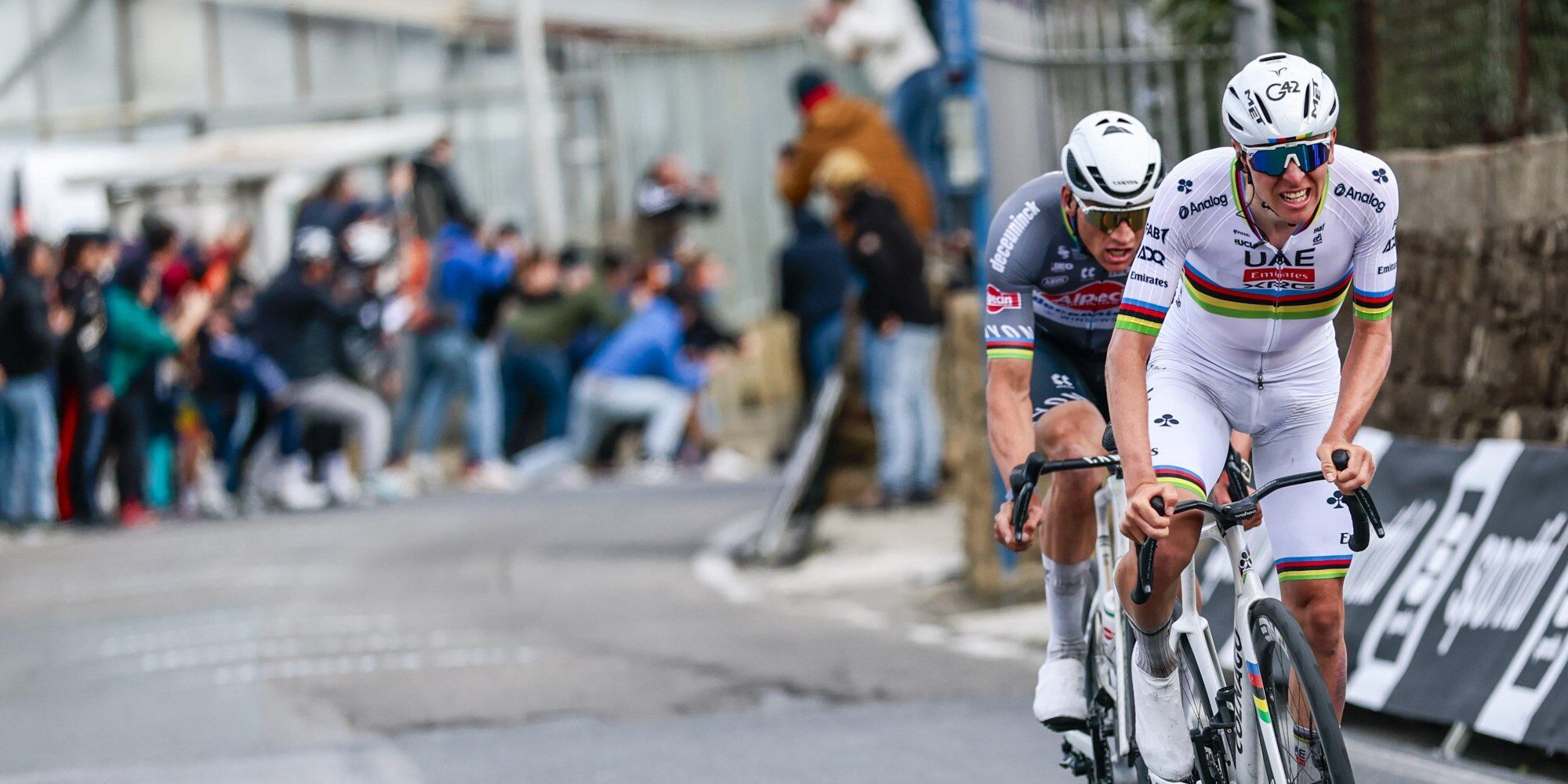
The world champion realizes he must throw the cat among the pigeons early and attacks furiously on the slopes of the penultimate climb, the well-known Cipressa. With his accelerations, Pogačar splinters the peloton, but one rider refuses to give ground: Van der Poel. The Dutchman holds steady. Whatever Pogačar tries, the classics specialist always has a suitable answer, even on the Poggio.
On the pedals, in the saddle, from the front, from behind, and after every corner: Pogačar must call upon his full cycling repertoire, yet it isn’t enough to shake off his Dutch rival. Van der Poel seems to be counting down the last few hundred meters to the Poggio’s summit, but then something unexpected happens. To the surprise of many, not least Pogačar himself.
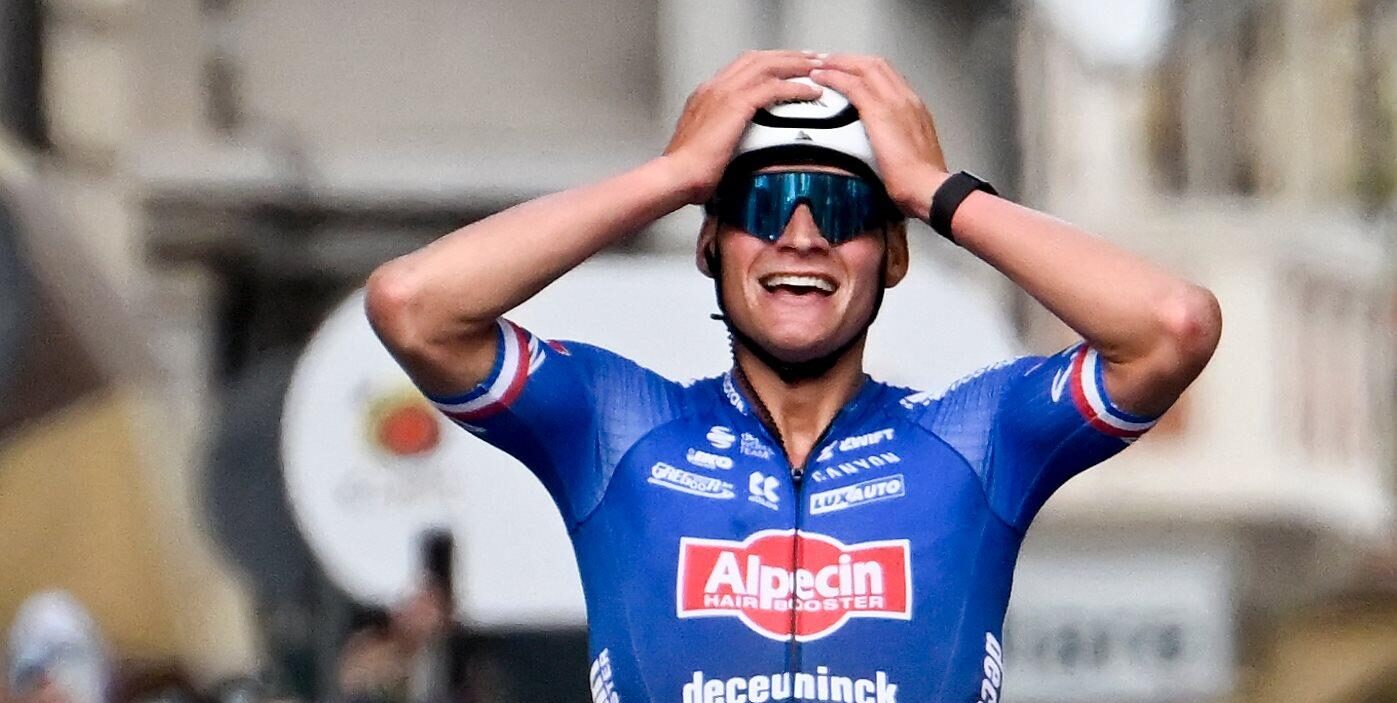
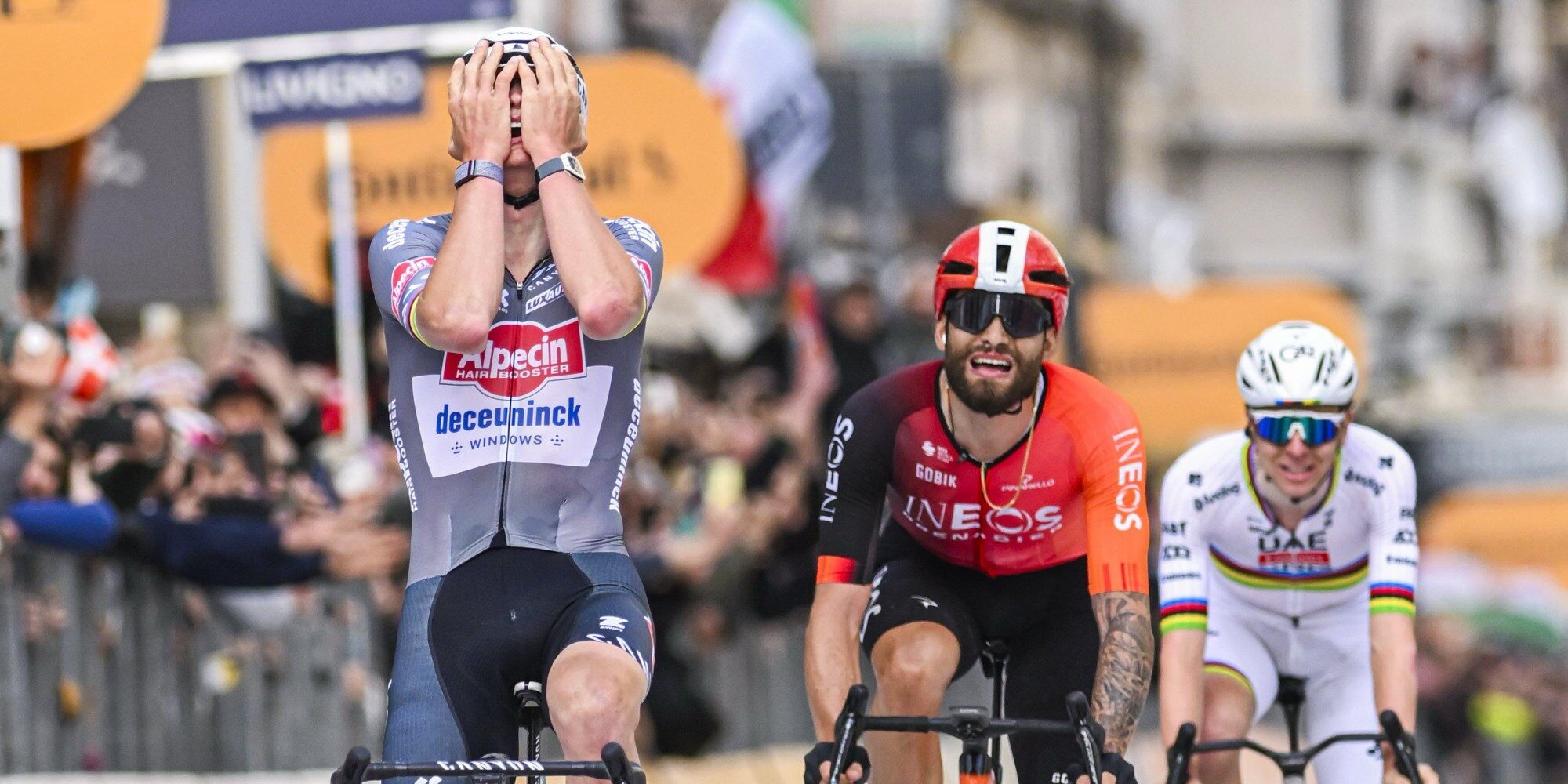
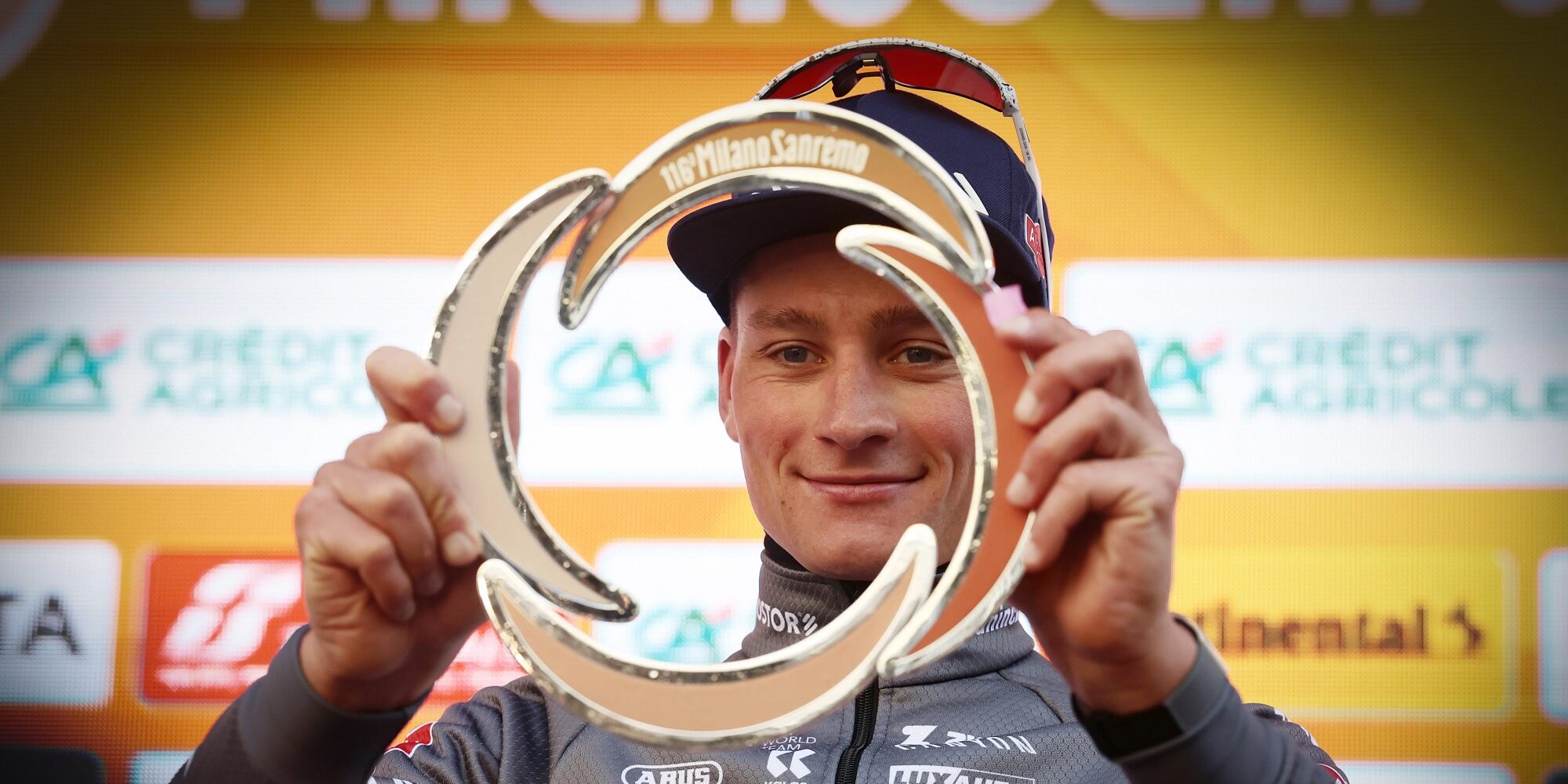
About three hundred meters from the Poggio summit, just after the steepest section, Van der Poel unleashes a scorching attack. With one well-timed and fierce acceleration, Van der Poel momentarily unsettles the best rider of the moment. Pogačar powers back on character, but the damage is done. In the ensuing final sprint for the win, Van der Poel finishes in spectacular fashion.
Course
It’s been several years since Milan-San Remo actually started in Milan. In 2023 Abbiategrasso had the honor to serve as the start town, and one year later the riders clipped into their pedals in Pavia. Apparently, the organizers liked this setup, as the first monument of the season has found an alternative starting point in the Lombard city for the coming years.
The 117th edition of Milan-San Remo offers the riders few surprises. The organization sticks to its tried-and-tested formula, although the total distance this time is nearly 300 kilometers. After the start, the route heads southwest—mostly on flat roads—to the first climb of the day, which is also a familiar obstacle.
We’re talking about the Passo del Turchino. In the early days of Milan-San Remo, the Turchino was the only significant climb in the route, roughly the halfway point, and it often proved decisive. Nowadays, the Turchino is just a footnote in the race’s progression but still serves as the first key test, likely causing some nervousness.
After crossing the Passo del Turchino, the riders descend towards Genoa Voltri, and from there will head west along the coast. Via Varazze, Savona, and Albenga, they then reach the Tre Capi: the Capo Mele, the Capo Cervo, and the Capo Berta. From the top of the last of these climbs, about forty kilometers from the finish, they race at full speed toward the final two ascents of the day: the Cipressa, part of the route since 1982, and the Poggio.
The climb itself has no official name and is thus named after the village at its summit: Cipressa (5.6 km at 4.1%). The climb to this village on the Ligurian coast, at about 240 meters elevation, is often where lesser contenders launch desperate attacks, but rarely is the race decided here (though Pogacar would surely like to prove otherwise). This is partly due to the ten flat kilometers between the Cipressa and the Poggio, where a chasing peloton usually has a major advantage.
Just like the climb, the descent can also influence the race, as the downhill stretch on the SP77 is extremely technical. Just ask Niccolò Bonifazio, who as a local hero once hit dizzying speeds here, to the admiration and horror of TV viewers. The Italian managed to negotiate that descent safely back then, but it wasn’t always the case. In 1984, Jan Raas crashed hard here, suffering long-term back issues that marked the end of his professional career.
Are there favorites who will use the Cipressa (or the subsequent descent) to ignite the race? If the desired fireworks don’t materialize, it will have to happen on the slopes of the Poggio di Sanremo climb, starting nine kilometers from the finish. The climb stretches 3.7 kilometers with an average gradient of 3.7%. A “quadratic climb,” as Tim Krabbé might say.
Just before reaching the top, the gradient briefly rises to 8%. The road is fairly narrow, with four hairpin bends in the first two kilometers. The descent is, at times, technically demanding, featuring several bends on asphalt roads that become quite narrow at certain points. After the final downhill kilometers, the finish line in San Remo is not far off.
The last two flat kilometers run over long and straight roads. At 850 meters from the finish, there is a sharp left turn, followed by a right turn at 750 meters on the well-known Via Roma.
Milan-San Remo 2026 – Climbs
150 km to go – Passo del Turchino (26 km at 1.5%, starting in Ovada)
51.6 km to go – Capo Mele (1.7 km at 4.2%)
47.5 km to go – Capo Cervo (1.9 km at 2.6%)
39.5 km to go – Capo Berta (1.8 km at 7.1%)
22 km to go – Cipressa (5.6 km at 4.1%)
6 km to go – Poggio di Sanremo (3.7 km at 3.7%)
Favorites
It’s almost unimaginable now, but not so long ago Milan-San Remo was a sprinter’s classic. At least, fast men repeatedly had a good chance of winning here, but those days seem over. The days when Mario Cipollini (2002), Óscar Freire (2004, 2007, and 2010), Alessandro Petacchi (2005), Mark Cavendish (2009), Alexander Kristoff (2014), John Degenkolb (2015), and Arnaud Démare (2016) could emerge victorious appear to be history.
This is largely due to the racing mentality of today’s top riders. The heavy hitters nowadays leave no opportunity or climb unused to ignite the race—whether thirty, sixty, or even a hundred kilometers from the finish. Fixed race scenarios are rewritten; cycling rules are bent. In today’s racing, team leaders throw the cat into the henhouse increasingly earlier.
Racing is more and more often run with open cards and especially earlier. Several teams benefit from making the race as hard as possible to drop the sprinters, but primarily we focus on one man: Tadej Pogacar. The Slovenian cycling prodigy from Komenda has won nearly every conceivable race in recent years and, at 27, is already busy ticking off the missing races. One of those races is Milan-San Remo.
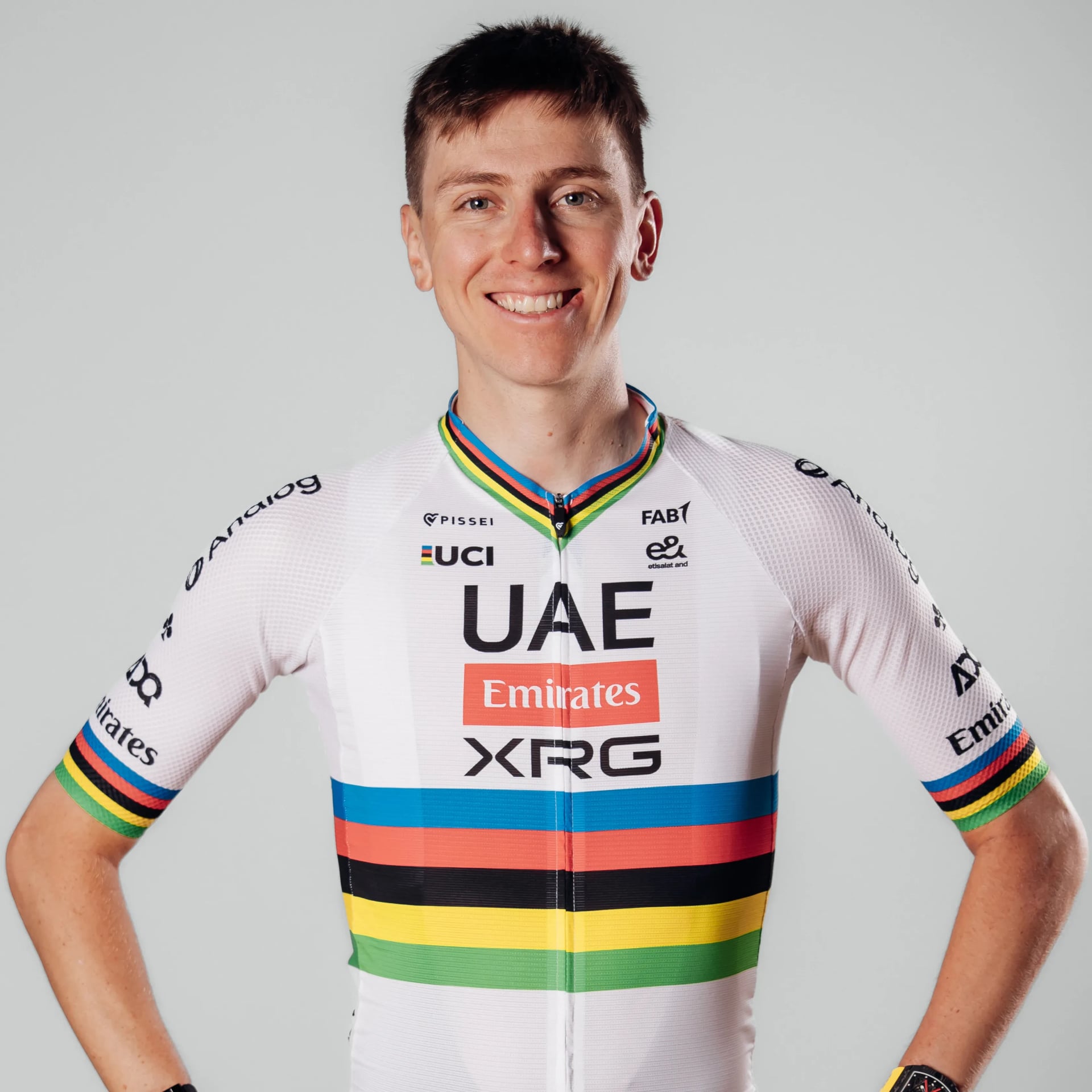
Will the world champion finally strike on his sixth attempt? The UAE Emirates XRG leader is always present in the finale of the Italian classic and often the man who breaks the race open, but breaking away on the Cipressa or Poggio proves extremely difficult—even for a phenomenon like Pogacar. After all these years, the Slovenian is still searching for the missing pieces to crack the code, although it's not rocket science. For Pogacar, the key is to make the race as hard as possible—and preferably as early as possible.
Where Pogacar saved his powder for the Poggio in his early years, he already showed his cards on the slopes of the Cipressa last year. We expect the proven recipe again this year, and with riders like Isaac Del Toro (watch the Mexican!) and Florian Vermeersch in the squad, he certainly has the firepower to shatter the peloton on this climb. The absence of Tim Wellens and Jhonatan Narváez, however, is a major setback: they were crucial last year in setting up Pogacar’s attack on the Cipressa.
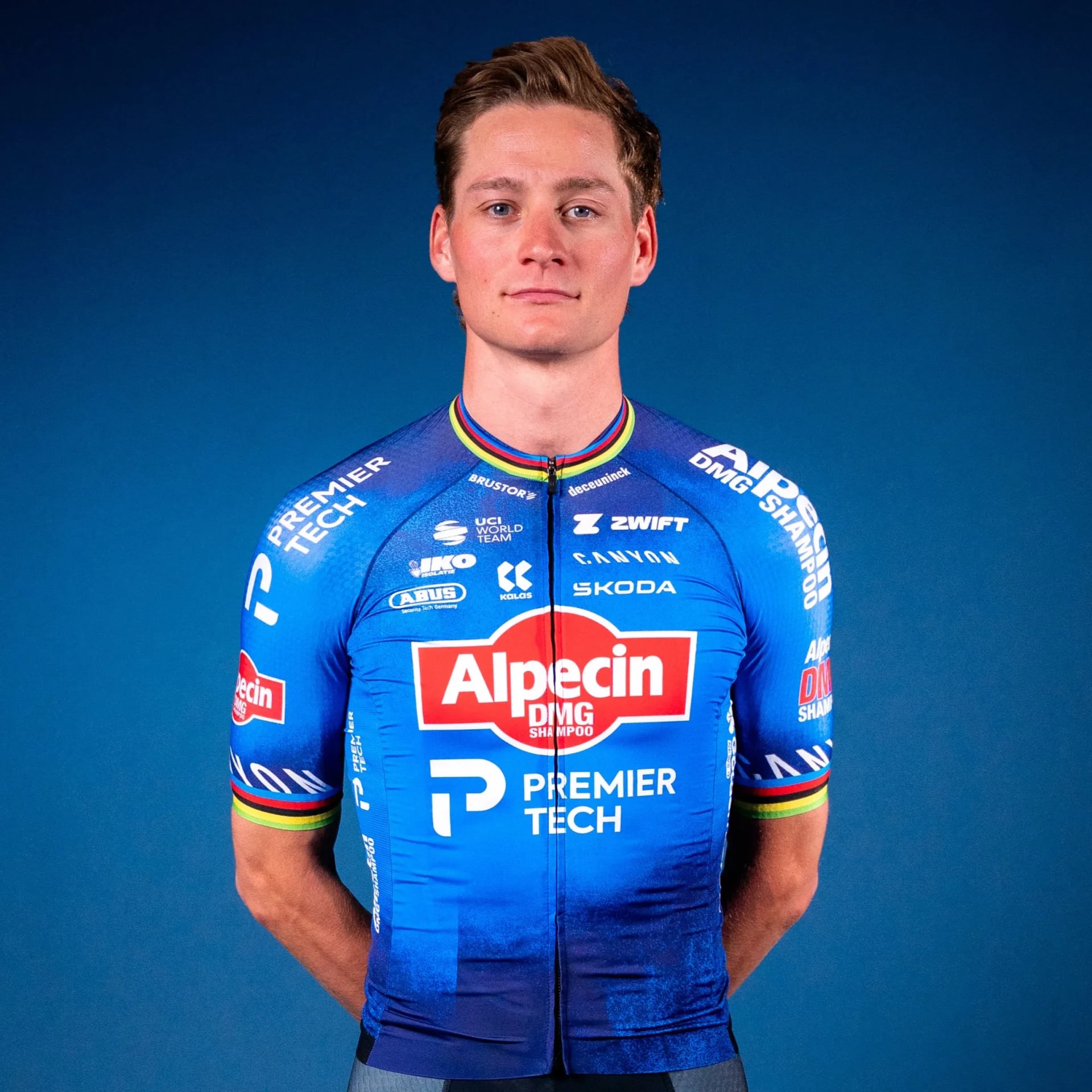
And there is an even bigger ‘problem’ for Pogacar and UAE Emirates: they will once again have to face Mathieu van der Poel this year. The Dutchman was last year’s great nemesis for the Slovenian and the rider who—once again—denied him victory on the Via Roma. The Alpecin-Premier Tech leader seems ready again this year to challenge the world champion, having already impressed this spring. In his season debut at Omloop Het Nieuwsblad and Tirreno-Adriatico, MVDP was unstoppable.
We crown the classics specialist as the top favorite, given his two previous wins, intrinsic class, explosiveness, and ability to finish off a hard finale in a sprint. Of course, he must first be able to follow Pogacar on the Cipressa and Poggio, but last year he proved it’s possible. If Van der Poel succeeds in winning for a third time, he will match the great cycling legends Fausto Coppi (1946, 1948, and 1949), Roger De Vlaeminck (1973, 1978, and 1979), and Óscar Freire (2004, 2007, and 2010).
Alpecin-Premier Tech, Van der Poel’s team, also has two interesting cards to play. The Belgian outfit still has former winner Jasper Philipsen and Kaden Groves (who finished fifth last year behind the ‘Big Three’ and Michael Matthews) in the ranks, should the race again end in a sprint of a somewhat larger group.
Last year, Milan-San Remo unfolded as a three-way battle between Pogacar, Van der Poel and… Filippo Ganna. The Italian suffered immensely on the Cipressa and Poggio but proved to be the only one able to hold the wheels of the two cycling phenoms. In the final sprint, the time trial specialist ended up second in that thankless spot and will undoubtedly line up with plenty of revenge feelings. Will the INEOS Grenadiers rider bring the first Italian win since Vincenzo Nibali’s memorable solo in 2018?
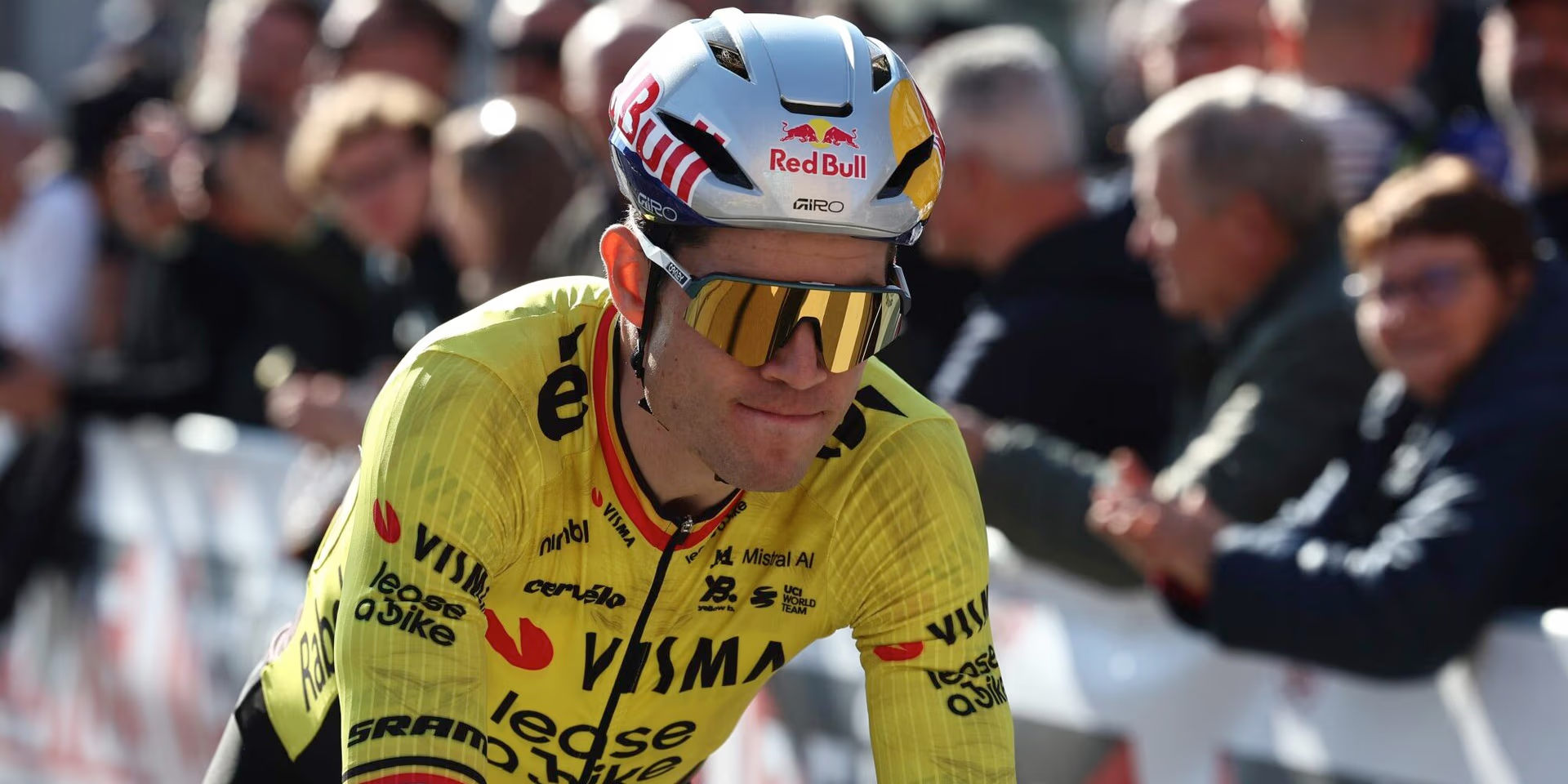
Speaking of former winners: we are very curious whether Wout van Aert (winner of the ‘covid edition’ of 2020) can challenge Pogacar and Van der Poel on the Cipressa and Poggio. The 31-year-old Belgian is back after opting for an alternative preparation without Milan-San Remo over the past two seasons. This year he returns to a classical spring schedule with all the major races, and La Primavera is his primary goal of 2026. With a good Van Aert, you always have to count on him, but the question is: how good is he now exactly?
Due to illness, the Kempen rider had to slightly adjust his spring program and miss Omloop Het Nieuwsblad, but he then got time to sharpen his form at Strade Bianche and Tirreno-Adriatico. We definitely expect him among the race’s leaders. Thanks to his climbing and sprinting qualities, Van Aert remains a very dangerous contender, yet to be honest, in recent years he had to concede to his two major rivals at the decisive moments.
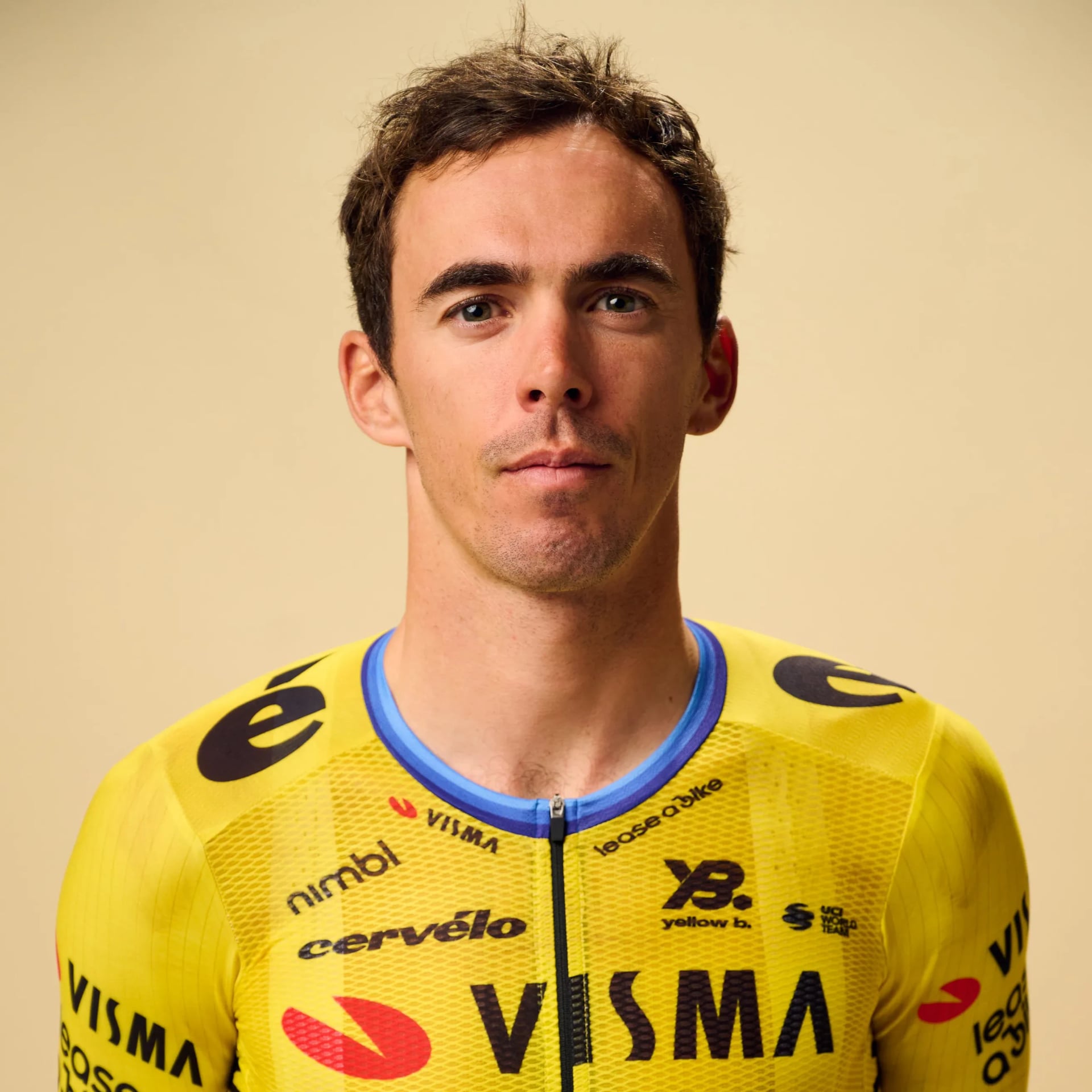
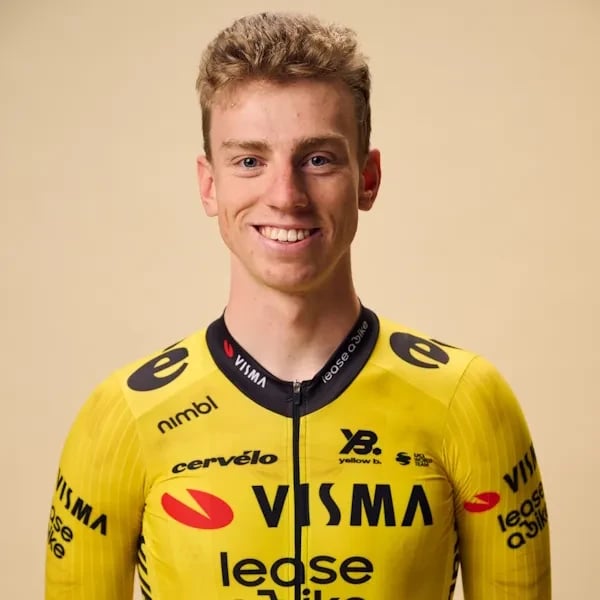
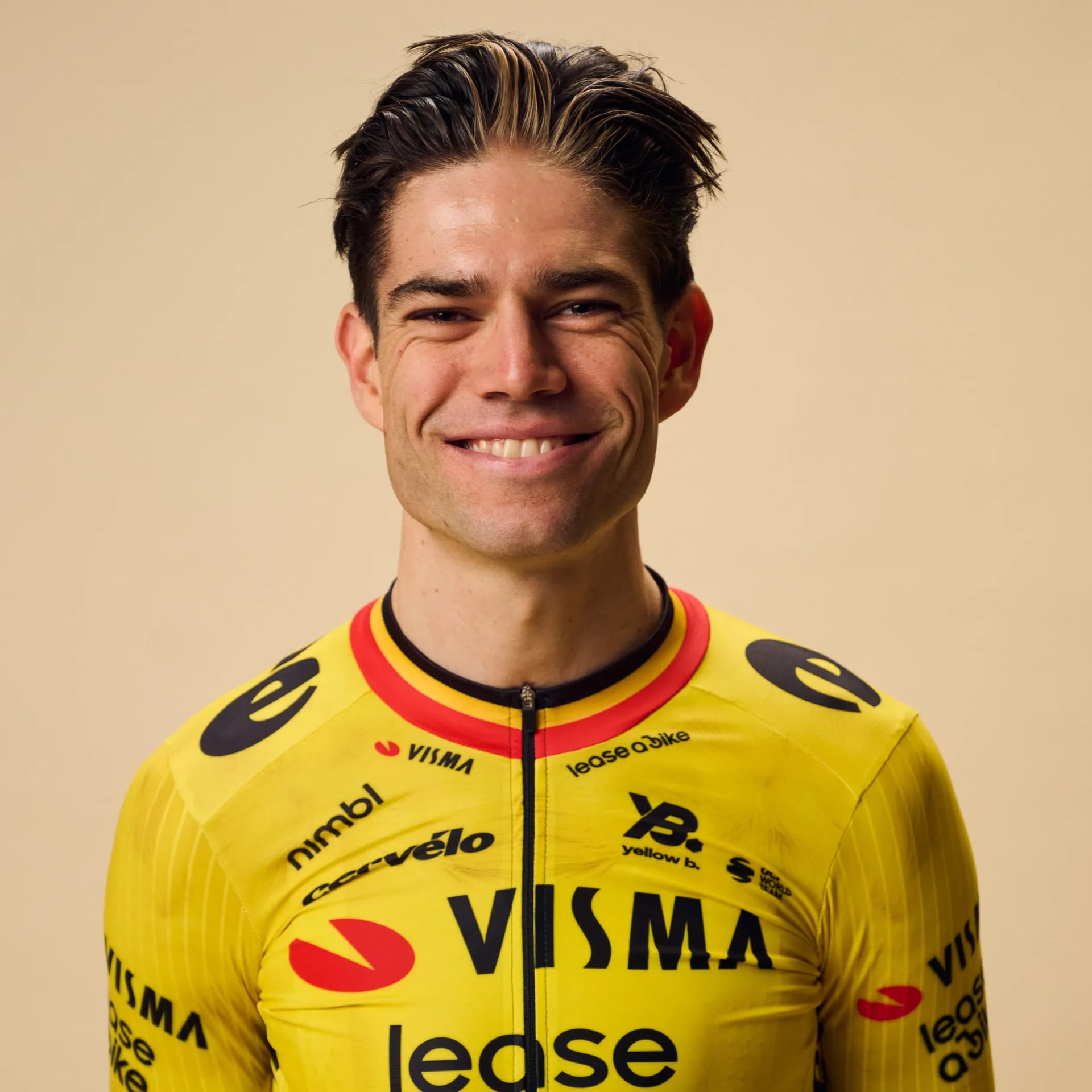
Visma | Lease a Bike has several irons in the fire, as Christophe Laporte and golden boy Matthew Brennan are also far from hopeless should the race come down to a sprint of a somewhat bigger group. Both riders are more than capable of surviving the Poggio. While Laporte prepares for his eleventh participation, the barely 20-year-old British cycling sensation has never raced the spring classic before. Will his lack of experience cost him in the finale?
Lidl-Trek apparently has to change their approach due to Mads Pedersen’s absence and thus the focus shifts more toward Mathias Vacek and Jonathan Milan. The latter will hope for a regrouping after the Poggio in a closed race scenario, but that chance seems slim in 2026. If the sprinters do get into a strong position, we also consider Tobias Lund Andresen (Decathlon CMA CGM), Paul Magnier (Soudal Quick-Step), Luke Lamperti, Marijn van den Berg (EF Education-EasyPost), and Biniam Girmay (NSN).
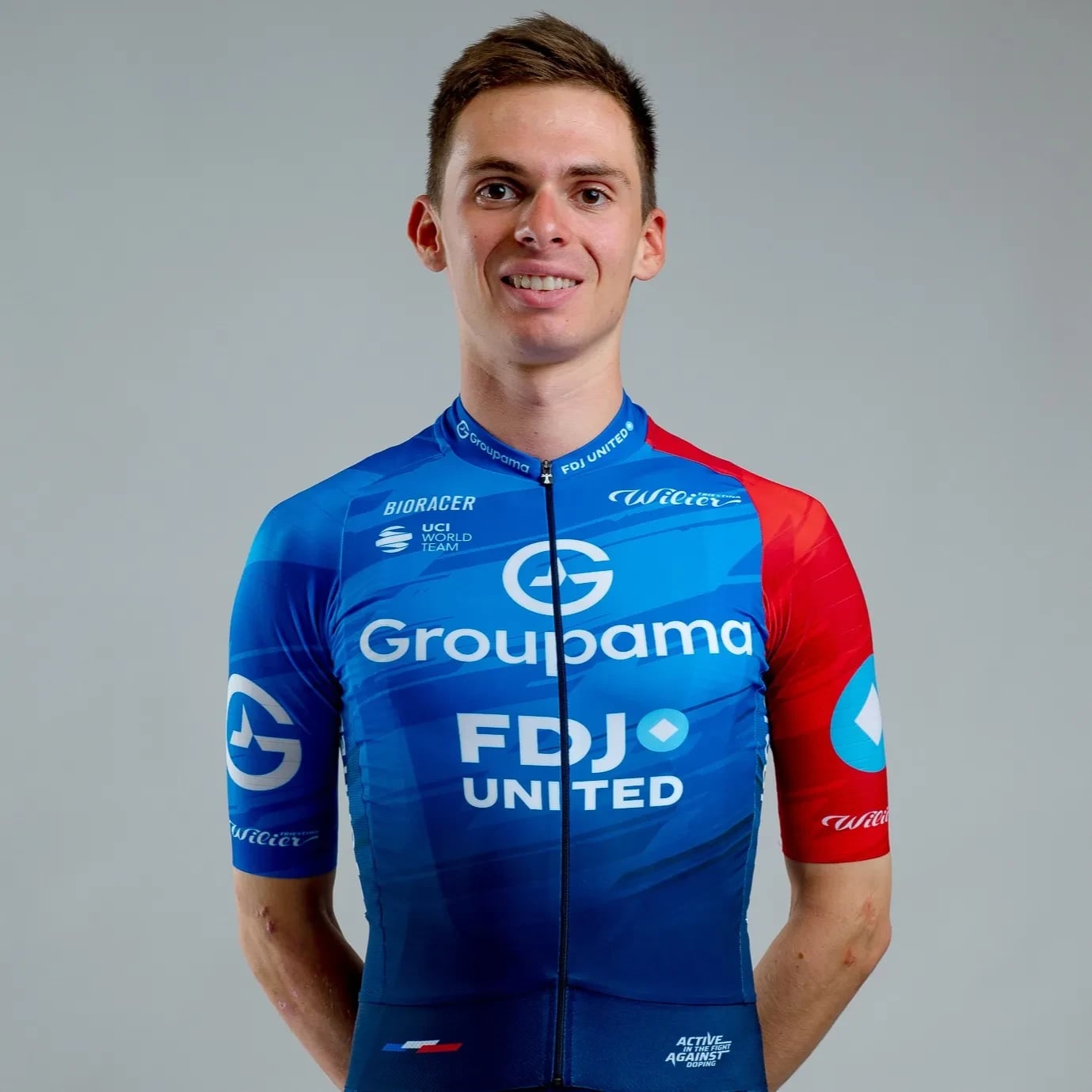
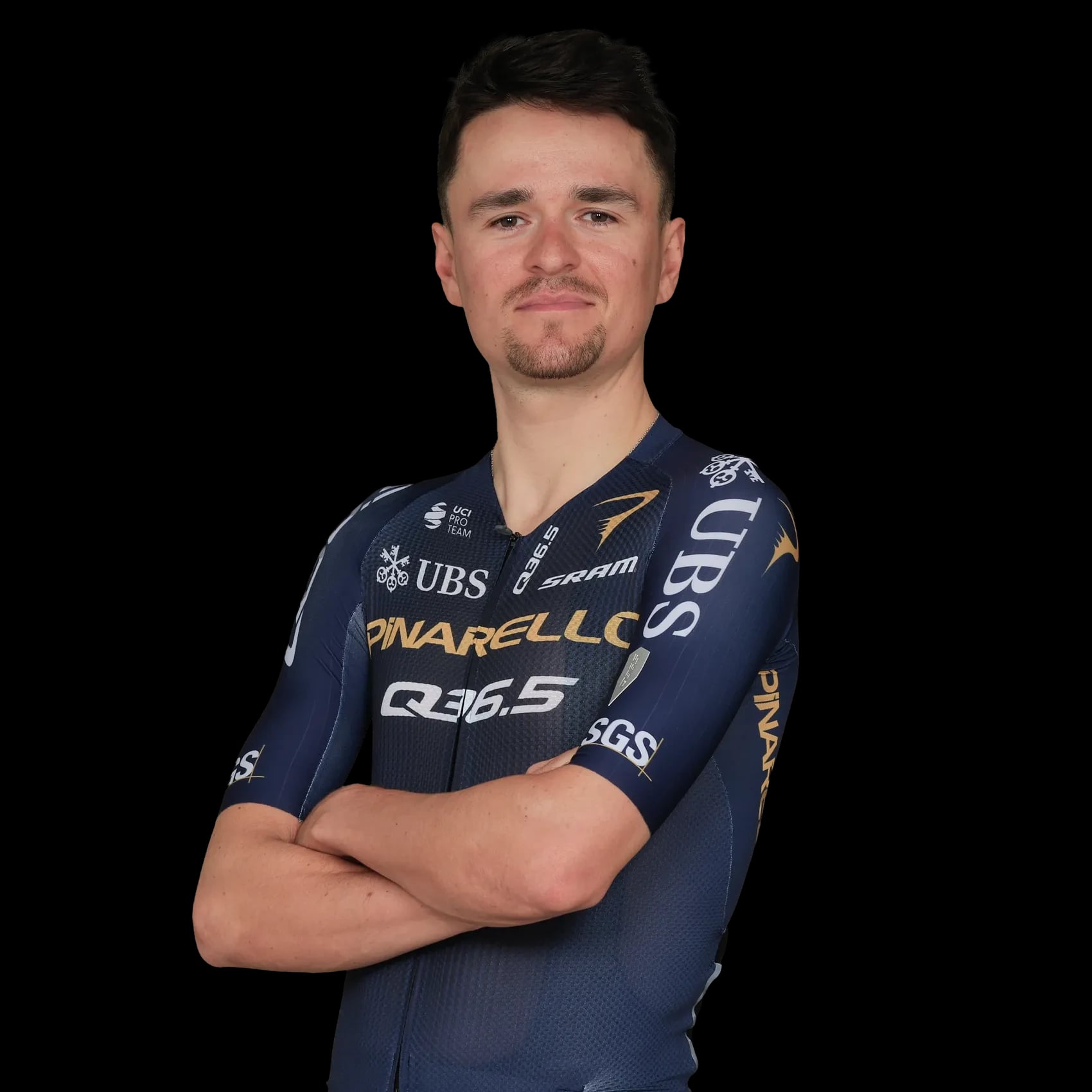
However, the punchers will want to put a spoke in that wheel. First and foremost, we think of Tom Pidcock, the outspoken leader of Pinarello-Q36.5, who is more than eager to challenge top favorites Pogacar and Van der Poel. Romain Grégoire (Groupama-FDJ) was already able to briefly hold the wheels of the ‘Big Two’ last year and will now want to follow longer and—why not—really challenge the established order.
We must not lose sight of former winner Matej Mohoric either. With his descending skills—we all remember his descent from the Poggio—the Slovenian can go far. We also consider a breakout from explosive and fast Paul Lapeira (Decathlon CMA CGM), his equally quick compatriot Axel Laurance (INEOS Grenadiers), in-form riders Giulio Pellizzari, Laurence Pithie, and Tim van Dijke (Red Bull-BORA-hansgrohe), Andrea Vendrame, Mauro Schmid (Jayco AlUla), and Alberto Bettiol (XDS Astana).
Lastly, we want to mention former winners Julian Alaphilippe (Tudor) and Jasper Stuyven (Soudal Quick-Step), as well as Vincenzo Albanese (EF Education-EasyPost), Alex Aranburu (Cofidis), Rick Pluimers, and Matteo Trentin (two more cards for Tudor).
Weather
It promises to be a beautiful spring day—and thus a perfect race day—if the latest weather forecasts are to be believed. The sun will shine brightly, not a drop of rain will fall, and temperatures will rise to around twelve degrees Celsius in the afternoon. A moderate to light wind will blow from the east.